
The Complete Guide to Dining at a Japanese Restaurant
- 1. Understanding Japanese Cuisine
- 2. What to Expect at a Japanese Restaurant
- 3. Popular Dishes to Try
- 4. Dining Etiquette and Tips
- 5. Making the Most of Your Japanese Dining Experience
1. Understanding Japanese Cuisine
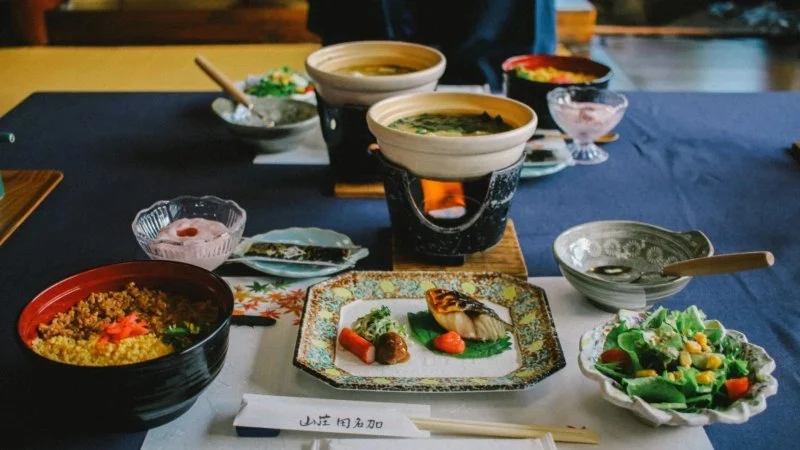
Japanese cuisine, known for its emphasis on fresh ingredients, balance, and presentation, has earned a reputation worldwide for being healthy and delicious. At the heart of Japanese cooking is simplicity, with many dishes showcasing a combination of subtle flavors, beautiful textures, and clean, fresh ingredients.
The main components of a Japanese meal include rice, fish, and vegetables, often accompanied by miso soup or pickles. The variety of flavors, from sweet and salty to savory and umami, makes Japanese food incredibly unique. Familiarizing yourself with these basics will help you understand and appreciate the complexity and artistry behind every dish at a Japanese restaurant.
2. What to Expect at a Japanese Restaurant
Dining at a Japanese restaurant is an immersive experience that goes beyond just eating; it's about enjoying the ambiance, the service, and the food. Whether you’re dining at a sushi bar, a ramen house, or a traditional kaiseki restaurant, there are a few things you can expect:
- Menu variety: A typical Japanese restaurant menu will feature a wide range of options, including sushi, sashimi, tempura, teriyaki, and donburi. Many restaurants also offer specialty dishes like ramen or udon noodles, and some may have seasonal or regional specialties.
- Atmosphere: The ambiance in Japanese restaurants often focuses on creating a calm and respectful environment. Expect clean, minimalist decor, with many restaurants using wooden elements and low lighting for a serene atmosphere.
- Service style: In Japanese culture, service is formal but attentive. It’s common for waitstaff to greet you with a bow, and you’ll often find polite and efficient service throughout the meal.
Knowing what to expect will help you feel more at ease and make your dining experience more enjoyable and rewarding.
3. Popular Dishes to Try
If you're new to Japanese cuisine, here are a few must-try dishes that will give you a true taste of Japan:
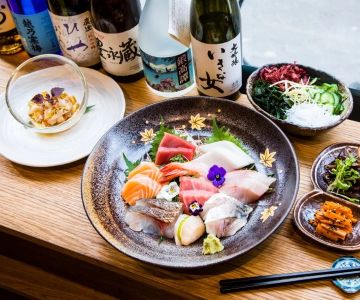
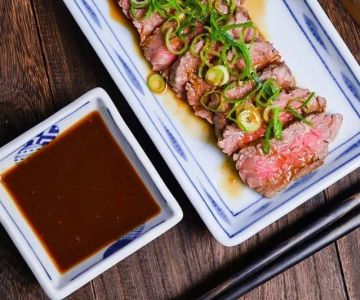
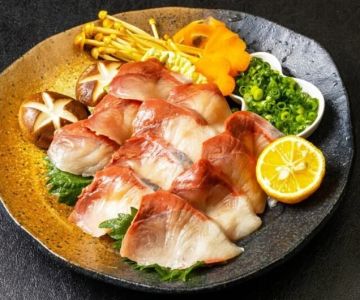
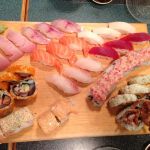
- Sushi and Sashimi: These iconic dishes feature raw fish, served either on vinegared rice (sushi) or thinly sliced (sashimi). Sushi can include a variety of fish, seafood, or even vegetables.
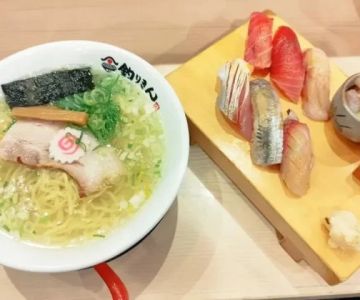
- Ramen: A comforting bowl of ramen consists of noodles in a savory broth, typically made from pork or chicken, and topped with ingredients like boiled eggs, nori (seaweed), bamboo shoots, and slices of pork belly.
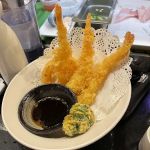
- Tempura: Tempura is a dish of battered and deep-fried seafood or vegetables, typically served with a dipping sauce. The crispy texture and light batter make it a popular choice.
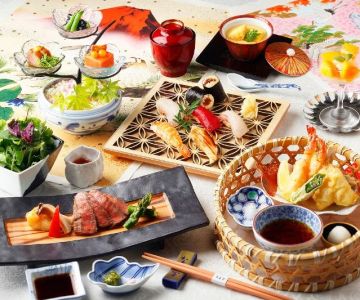
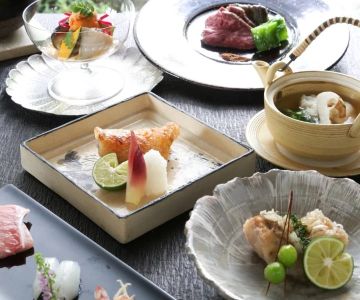
- Kaiseki: Kaiseki is a traditional multi-course meal that emphasizes seasonal ingredients. It’s often served in fine dining settings and involves beautifully presented dishes, each highlighting a different flavor and texture.
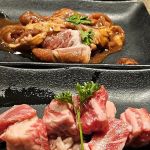
- Teriyaki: Teriyaki refers to grilled or broiled meats, typically chicken or beef, glazed with a sweet soy-based sauce. It’s a favorite in both Japan and around the world.
These dishes are just the beginning. Many Japanese restaurants also offer seasonal specialties, which are perfect for a more immersive dining experience.
4. Dining Etiquette and Tips
Japanese dining etiquette is an important aspect of the culture. Here are some tips to help you feel comfortable and respectful during your meal:
- Chopstick etiquette: Always use chopsticks when eating Japanese food. Never stick them upright into a bowl of rice, as this resembles a funeral tradition. Additionally, never pass food directly from one pair of chopsticks to another, as this is also a funeral custom.
- Sipping soup: In Japan, it’s perfectly acceptable to drink soup directly from the bowl, especially in the case of miso soup. This is considered more polite than using a spoon.
- Handling your drink: If you’re enjoying sake or tea, it’s customary to pour drinks for others at the table before pouring your own. Wait until everyone has been served before taking a sip.
- Respectful behavior: Be polite and avoid loud conversations. Japanese culture values calm and respectful interactions, especially in dining settings.
Adhering to these etiquette rules can help you show respect for the culture and make your dining experience much more enjoyable.
5. Making the Most of Your Japanese Dining Experience
Dining at a Japanese restaurant is about more than just food—it’s an opportunity to immerse yourself in a rich culinary tradition. Here’s how you can enhance your experience:
- Explore different types of restaurants: Don’t limit yourself to just sushi bars. Try ramen shops, izakayas (Japanese pubs), or kaiseki restaurants to experience the full breadth of Japanese cuisine.
- Ask for recommendations: Don’t be afraid to ask the server for their suggestions. Many restaurants offer seasonal dishes or chef specials that may not be listed on the menu.
- Pair your meal with sake: Sake is a traditional Japanese rice wine that pairs beautifully with many Japanese dishes. If you're unfamiliar with sake, ask the server for a recommendation based on your meal.
At Japanese Restaurant, we provide a range of options to suit your taste and offer expert recommendations to ensure you have the best possible dining experience.
 Dai Hachi Sushi4.0 (115 reviews)
 YOKO-CHO4.0 (116 reviews)
 Dana Kai4.0 (310 reviews)
 Fukuoka Hakata Ramen4.0 (146 reviews)
 The Hand Roll Bar5.0 (7 reviews)
 Gyu-Kaku Japanese BBQ4.0 (1596 reviews)
 Where Is Hana Japanese Restaurant? Discover Locations & Local Favorites
 Why Fujiyama Japanese Restaurant Is a Must-Try Spot for Japanese Food Lovers
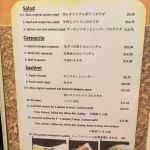 Exploring the Menu at Bozu Japanese Restaurant – A Culinary Journey
 The History and Flavor Behind Ami Japanese Restaurant: A Taste of Tradition
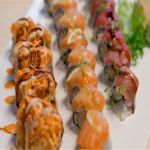 Top Dishes You Should Order at Yokohama Japanese Restaurant
 Don Don Japanese Restaurant Toronto: Comfort Food That Hits Home