
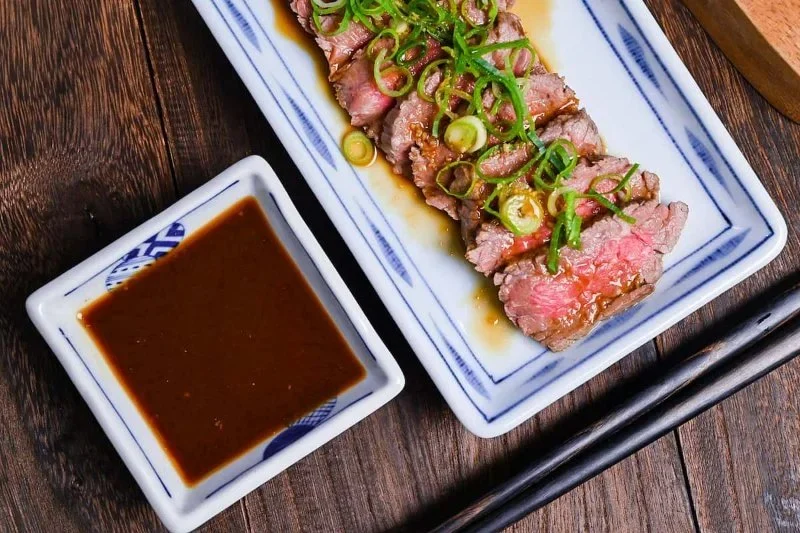
- Understanding Japanese Cuisine
- What to Expect at an A1 Japanese Restaurant
- Top Dishes to Try at a Japanese Restaurant
- Etiquette and Dining Tips for a Japanese Restaurant
- Choosing the Right Japanese Restaurant
1. Understanding Japanese Cuisine
Japanese cuisine is known for its delicate flavors, seasonal ingredients, and artistic presentation. It emphasizes balance, freshness, and a strong connection to nature. Whether you’re a seasoned sushi lover or new to Japanese food, dining at an authentic A1 Japanese restaurant offers a unique experience.
The foundation of Japanese cuisine includes rice, fish, vegetables, and a variety of seasonings like soy sauce, miso, and wasabi. Dishes are typically light, emphasizing the natural flavors of the ingredients rather than heavy spices. A1 Japanese restaurants often offer an immersive experience that highlights these elements of Japanese culture.
2. What to Expect at an A1 Japanese Restaurant
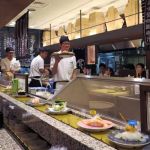
Dining at an A1 Japanese restaurant is about more than just the food—it’s an experience. From the moment you walk in, you’ll notice the traditional decor, often featuring wood, stone, and bamboo accents. The ambiance is peaceful and relaxing, creating the perfect environment for a fine dining experience.
In addition to the beautiful atmosphere, A1 Japanese restaurants are known for their impeccable service. The waitstaff is knowledgeable about the menu and can recommend dishes based on your preferences. Expect attentive service that helps you enjoy the experience to the fullest.
3. Top Dishes to Try at a Japanese Restaurant
When dining at an A1 Japanese restaurant, there are several must-try dishes that showcase the true essence of Japanese cuisine. Here are some of the top dishes you should consider:
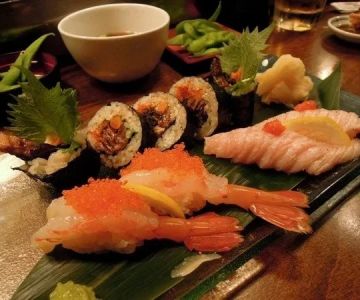
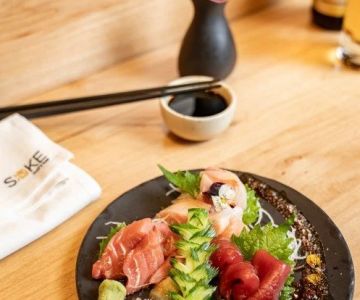
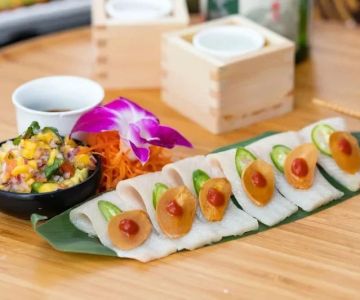
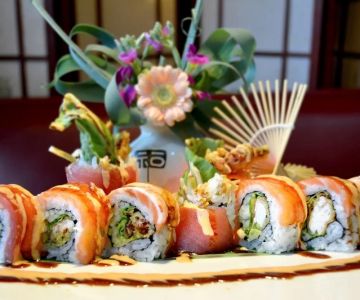
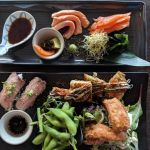
- Sushi and Sashimi: The most iconic Japanese dishes, sushi and sashimi, are a must-try at any Japanese restaurant. Made with fresh, high-quality fish, these dishes allow you to experience the purity of Japanese seafood.
- Ramen: A warm, comforting bowl of ramen is perfect for any occasion. It consists of rich broth, noodles, and a variety of toppings like sliced pork, boiled eggs, and vegetables.
- Tempura: Tempura features seafood and vegetables that are battered and deep-fried to perfection. It’s a light and crispy dish that’s often served with a dipping sauce.
- Kaiseki: This multi-course meal is a highlight of traditional Japanese fine dining. Kaiseki consists of a series of small, artfully prepared dishes that showcase the seasons and highlight the skill of the chef.
- Unagi: Grilled eel served with a sweet soy-based sauce, unagi is a rich and flavorful dish that’s beloved in Japanese cuisine.
4. Etiquette and Dining Tips for a Japanese Restaurant
Japanese dining is known for its etiquette and respect for the food. Understanding basic dining customs can enhance your experience at an A1 Japanese restaurant. Here are some key tips:
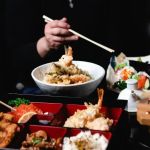
- Use Chopsticks Properly: When using chopsticks, avoid sticking them upright in rice, as this resembles a funeral custom. Instead, place them on the provided chopstick rest when not in use.
- Don’t Rush: Japanese meals are meant to be savored slowly. Take your time to enjoy each dish and appreciate the flavors.
- Pouring Drinks: It’s customary to pour drinks for others at the table, especially if you’re drinking sake or beer. When your glass is empty, expect others to refill it for you.
- Compliment the Chef: If you’re dining at a sushi bar, it’s customary to show appreciation for the chef’s skill by making eye contact and offering a simple compliment like “delicious” or “thank you for the meal.”
5. Choosing the Right Japanese Restaurant
Finding the right Japanese restaurant can make a big difference in your dining experience. Here are a few factors to consider when selecting an A1 Japanese restaurant:
- Reputation: Look for restaurants with a good reputation for quality food and authentic Japanese flavors. Check reviews and recommendations from other diners to find the best places.
- Authenticity: An A1 Japanese restaurant should offer traditional dishes prepared with fresh ingredients. Authentic Japanese restaurants often have experienced chefs who specialize in Japanese cooking.
- Menu Variety: Choose a restaurant that offers a wide range of dishes to try, from sushi to tempura to ramen. A diverse menu ensures that there’s something for everyone.
 ATO Hand Roll Bar4.0 (22 reviews)
 Two Ten Jack4.0 (1150 reviews)
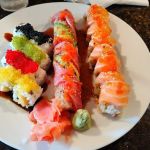 Sushiwok4.0 (595 reviews)
 Shin-Sen-Gumi YAKITORI4.0 (1077 reviews)
 A1 Japanese Steak House4.0 (735 reviews)
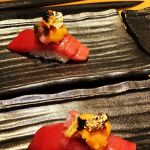 Matsuyama Japanese Restaurant3.0 (17 reviews)
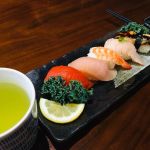 Signature Sushi and Ramen at Mikado Japanese Restaurant - Authentic Japanese Dining in the U.S.
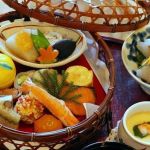 Why Locals Recommend Yokohama Japanese Restaurant - Best Japanese Dining
 The Complete Guide to Dining at Sushi Yoko Japanese Restaurant
 The History and Flavor Behind Kimono Japanese Restaurant
 Why Locals Recommend Yellowtail Japanese Restaurant & Lounge Menu
 Why Chiba Japanese Restaurant Is a Must-Try Spot for Japanese Food Lovers