
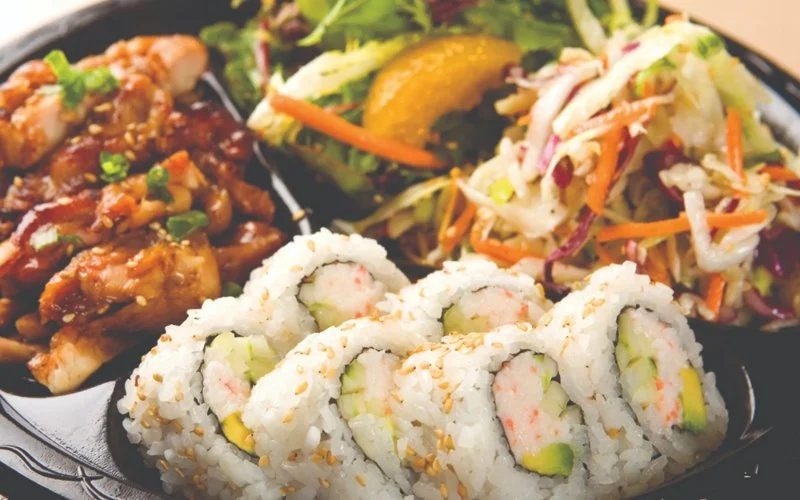
- - Introduction: The Rising Popularity of Japanese Restaurants
- - 1. The History Behind Japanese Cuisine
- - 2. What Makes Local Japanese Restaurants Stand Out
- - 3. Key Dishes You Should Try at Japanese Restaurants
- - 4. Real-Life Experience: My Visit to a Local Japanese Restaurant
- - 5. Conclusion: Why Japanese Cuisine Is a Must-Try
The Rising Popularity of Japanese Restaurants
Over the past few decades, Japanese cuisine has seen a surge in popularity worldwide, and the U.S. is no exception. From sushi bars to ramen shops, the range of Japanese dining experiences is vast and varied. But what makes the best Japanese restaurants near you stand out from the rest? In this article, we explore the history and unique flavors that define these top eateries and why Japanese cuisine continues to capture the hearts and taste buds of diners around the globe.
1. The History Behind Japanese Cuisine
Japanese cuisine has a rich and deep history that stretches back thousands of years. Its roots can be traced to ancient Japan, where it evolved through influences from Chinese and Korean culinary traditions. However, it developed its own distinct identity, marked by an emphasis on fresh, seasonal ingredients and simple yet profound flavors.
1.1 Early Japanese Cuisine
In its early days, Japanese food was heavily influenced by the availability of natural resources, with rice, fish, and seaweed playing central roles. As Japan's culture and economy grew, so too did its food culture, embracing regional diversity and incorporating techniques such as fermentation (think miso, soy sauce, and pickles) and rice cultivation.
1.2 The Rise of Sushi and Sashimi
The global rise of sushi and sashimi in the 20th century has undoubtedly been one of the most influential developments in Japanese cuisine. Sushi, which originated as a way to preserve fish in fermented rice, became a popular dish in Japan and later the world. Today, sushi is enjoyed in numerous variations and has become synonymous with fine Japanese dining.
2. What Makes Local Japanese Restaurants Stand Out
While there are many types of Japanese restaurants worldwide, the best ones near you offer more than just great food—they offer an experience. Here's what makes local Japanese restaurants stand out:
2.1 Authenticity and Tradition
Top Japanese restaurants pride themselves on authenticity. The chefs often follow traditional techniques passed down through generations, ensuring that each dish captures the essence of Japanese culinary culture. These restaurants focus on the meticulous preparation of ingredients and presentation, which are fundamental aspects of Japanese dining.
2.2 The Ambiance
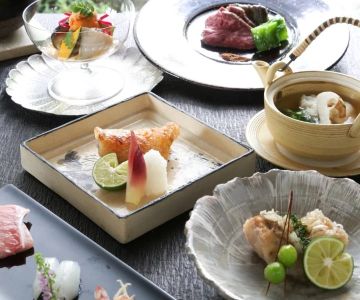
The ambiance of a Japanese restaurant can transport you directly to Japan. With minimalist yet beautiful décor, soothing lighting, and often elements of Japanese art and design, dining at a Japanese restaurant is a serene and immersive experience. Whether you are seated at a sushi bar, in a private tatami room, or at a table with a view of an open kitchen, the environment enhances the meal.
2.3 High-Quality Ingredients
Japanese restaurants often focus on high-quality, fresh ingredients. From the fish used in sushi to the seasonal vegetables and handcrafted sauces, every ingredient plays a pivotal role in the final dish. Many top restaurants work closely with local fishmongers and suppliers to ensure the freshest possible produce, and some even import rare ingredients directly from Japan.
3. Key Dishes You Should Try at Japanese Restaurants
When you visit a Japanese restaurant, there are a few dishes that you should not miss. These signature items showcase the best that Japanese cuisine has to offer:
3.1 Sushi and Sashimi
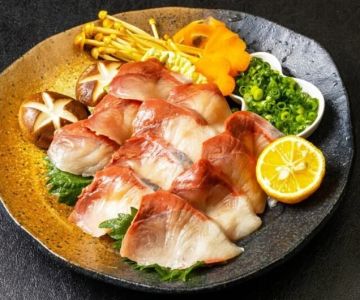
Sushi and sashimi are undoubtedly the most famous dishes at Japanese restaurants. Sushi consists of vinegared rice topped with various ingredients, often raw fish, while sashimi consists of thinly sliced, raw fish. Each restaurant offers its own take on these dishes, with variations in ingredients, preparation methods, and presentation.
3.2 Ramen
Ramen, a beloved noodle soup, has gained a cult following in the U.S. It typically consists of noodles in a rich, flavorful broth with toppings such as pork, eggs, and vegetables. Ramen shops focus on perfecting the broth and noodle texture, making it a deeply satisfying meal.
3.3 Tempura
Tempura is another classic Japanese dish where seafood or vegetables are coated in a light, crispy batter and deep-fried. It’s often served with a dipping sauce and rice. The delicate crunch and soft interior make tempura a dish worth trying.
4. Real-Life Experience: My Visit to a Local Japanese Restaurant
During my recent visit to a local Japanese restaurant, I was greeted with a warm welcome and seated at the sushi bar. I started with a platter of assorted sushi, which included tuna, salmon, and eel. Each bite was a revelation—delicate yet rich in flavor. The sushi chef meticulously prepared each piece, using the freshest fish I’d ever tasted. For the main course, I tried the ramen, which was served in a savory broth with tender slices of pork and a perfectly boiled egg. The flavors were deep and satisfying. I left the restaurant feeling completely satisfied, knowing I would return soon.
5. Conclusion: Why Japanese Cuisine Is a Must-Try
If you haven't experienced the full depth of Japanese cuisine, it’s time to discover what it’s all about. From sushi to ramen to tempura, the best Japanese restaurants offer a variety of dishes that showcase the best of Japan’s culinary traditions. Whether you're seeking a casual meal or a special dining experience, Japanese cuisine is always a great choice. For more dining recommendations, check out Japanese Restaurant for top suggestions and services near you.
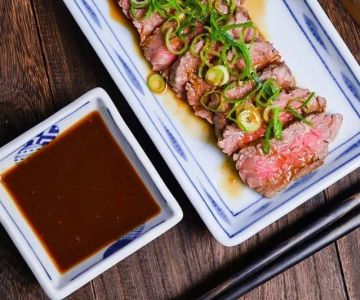
 Yuko Kitchen Miracle Mile4.0 (819 reviews)
 Mirai Bowl3.0 (107 reviews)
 Sapporo Japanese Steakhouse & Revolving Sushi4.0 (1147 reviews)
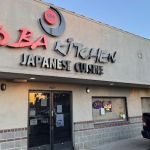 Meetu Japanese Cuisine4.0 (513 reviews)
 Takka Sushi Bar & Grill4.0 (473 reviews)
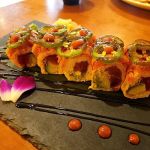 Sake House4.0 (947 reviews)
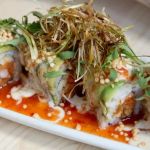 Signature Sushi and Ramen at kru Japanese Restaurant in the U.S. Dining Scene
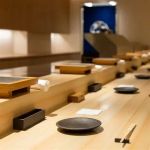 What Makes Tachibana Japanese Restaurant Stand Out Among Japanese Restaurants
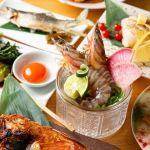 Why Locals Recommend Restaurant Japanese
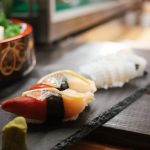 Exploring the Menu at Mt. Fuji Japanese Restaurant
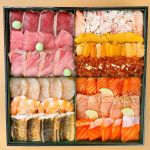 Signature Sushi and Ramen at Inaba Japanese Restaurant
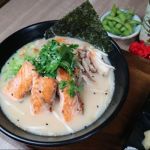 Signature Sushi and Ramen at Takara Japanese Restaurant