
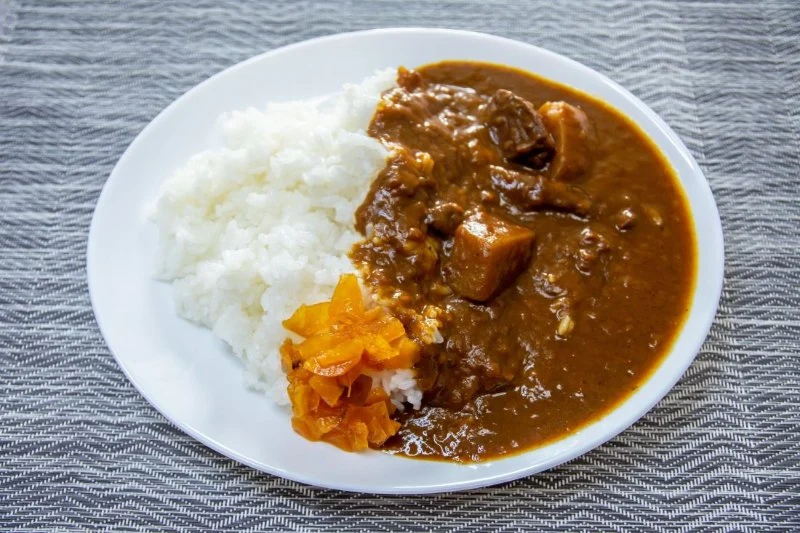
The History and Flavor Behind Japanese Curry Restaurant
- 1- History of Japanese Curry
- 2- Ingredients and Flavor Profile of Japanese Curry
- 3- Japanese Curry in Restaurant Culture
- 4- Popular Types of Japanese Curry
- 5- Real-Life Experience: Enjoying Japanese Curry at a Restaurant
- 6- Where to Find the Best Japanese Curry
1. History of Japanese Curry
Japanese curry, also known as "kare," is one of Japan’s most beloved comfort foods, enjoyed by people of all ages. The story of Japanese curry begins in the late 19th century, when Japan's culinary landscape was significantly influenced by Western countries. Curry, a dish traditionally associated with Indian cuisine, was introduced to Japan by the British during the Meiji Era (1868–1912), as part of the Westernization process.
Initially, curry was considered a luxury food, often served to the aristocracy or at elite restaurants. However, as it gained popularity, the dish evolved to suit local tastes. Over time, Japanese curry became a staple in the country’s diet, transitioning from a foreign dish to a Japanese classic. The introduction of curry powder and a thickened sauce with a unique flavor profile set Japanese curry apart from its Indian roots.
2. Ingredients and Flavor Profile of Japanese Curry
The flavor profile of Japanese curry is distinctly different from its Indian counterpart, thanks to the use of milder spices and a rich, savory sauce. The main ingredients of Japanese curry include:
- Curry Powder: Japanese curry uses a unique blend of spices, often milder than Indian curry powder, which includes turmeric, cumin, coriander, and fenugreek. This results in a deep, warm flavor without too much heat.
- Meat and Vegetables: Common additions to Japanese curry include beef, pork, or chicken, along with vegetables like potatoes, carrots, and onions. These ingredients are slow-cooked until tender, allowing the flavors to meld.
- Curry Roux: Unlike many other curry varieties, Japanese curry is thickened using a roux, which is a mixture of butter, flour, and curry powder. This creates a velvety, smooth sauce that coats the rice or noodles it is served with.
- Umami Flavors: To enhance the dish’s savory profile, ingredients like soy sauce, honey, or even apple are sometimes added to Japanese curry, giving it a touch of sweetness balanced by deep, umami richness.
The combination of these ingredients results in a curry that is hearty, flavorful, and not too spicy, making it a comforting dish that is easy for people from all walks of life to enjoy.
3. Japanese Curry in Restaurant Culture
Japanese curry is a central feature in many of Japan’s dining establishments, ranging from casual eateries to high-end restaurants. In Japan, curry shops (often called "kare-ya") are ubiquitous, offering a variety of curry dishes served with rice, bread, or noodles. Curry rice (kare-raisu) is the most popular form of Japanese curry and is often served as a hearty meal in homes, restaurants, and even schools.
One of the defining characteristics of Japanese curry restaurants is the customization available to customers. For example, many restaurants offer varying spice levels, from mild to extra hot, so diners can enjoy a curry that fits their taste preferences. Additionally, different types of meat, such as tonkatsu (breaded pork cutlet), are often added to curry dishes, making for a more filling and flavorful meal.
Japanese curry has also become a part of fusion cuisine, appearing in various forms such as curry-flavored pastries, curry pizza, and curry ramen, showing how versatile the dish has become in modern Japanese culinary culture.
4. Popular Types of Japanese Curry
There are several popular variations of Japanese curry, each with its own unique twist. Here are some of the most beloved types:
- Katsu Curry: One of the most popular variations, katsu curry features a breaded and deep-fried cutlet (usually pork or chicken) served on top of curry rice. The crispy cutlet contrasts perfectly with the rich, savory curry sauce.
- Vegetable Curry: For those looking for a vegetarian option, vegetable curry is made with a mix of seasonal vegetables such as sweet potatoes, mushrooms, and onions, creating a hearty and healthy alternative.
- Seafood Curry: A lighter alternative, seafood curry is made with shrimp, squid, or fish, often served with a delicate, yet flavorful, curry sauce.
- Hokkaido Curry: Originating from the northern island of Japan, Hokkaido curry is a specialty that often includes ingredients like butter, corn, and potatoes to give it a rich and slightly sweet flavor.
These variations highlight the flexibility of Japanese curry and its ability to adapt to different tastes and dietary preferences, making it a universally loved dish.
5. Real-Life Experience: Enjoying Japanese Curry at a Restaurant
Let’s consider the experience of Sarah, who visited a popular Japanese curry restaurant in Tokyo. Sarah had always enjoyed curry, but she had never tried the Japanese version before. At the restaurant, she ordered the classic katsu curry, and her first bite was a revelation. The crispy, golden pork cutlet paired with the rich, savory curry sauce was a perfect combination. The warmth and heartiness of the dish instantly comforted her, and she was amazed by the smooth, thick curry sauce that had just the right level of spice.
As Sarah continued to enjoy her meal, she noticed that the curry was perfectly balanced—not too hot, not too mild. The flavors were deep, complex, and comforting, and she couldn’t stop eating. By the end of the meal, she realized how much the Japanese version of curry had won her over, and she left the restaurant feeling completely satisfied. This experience perfectly captured the magic of Japanese curry in restaurants: hearty, flavorful, and comforting.
6. Where to Find the Best Japanese Curry
If you’re eager to try authentic Japanese curry, there are plenty of places to visit. In the U.S., many cities with vibrant Japanese communities, like Los Angeles, San Francisco, and New York, have excellent curry restaurants. For those looking to try it at home, there are also various Japanese curry kits available online or at specialty grocery stores, like Japanese Restaurant, where you can find high-quality curry roux, spices, and other ingredients to make your own curry dishes.
Whether you’re dining out or cooking at home, Japanese curry is sure to provide a delicious and satisfying meal that brings comfort and joy. So why not dive into this flavorful dish and experience the rich history and unique taste of Japanese curry?
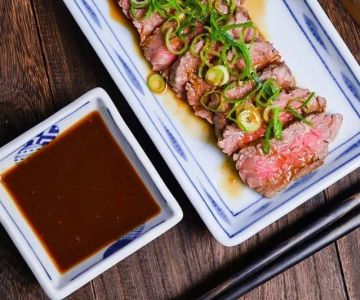
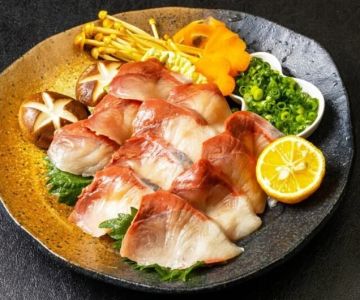
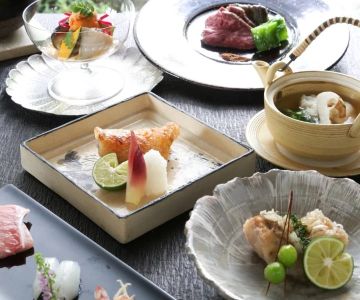
 Oyama Japanese And Thai4.0 (270 reviews)
 Wasabi Bistro4.0 (708 reviews)
 Cafe Yoto4.0 (86 reviews)
 Ichiza 2 Hanare Japanese Resaurant - All Private Dining Room -4.0 (132 reviews)
 Sumo Hibachi4.0 (80 reviews)
 Epoch Asian Fusion4.0 (143 reviews)
 Why Locals Recommend Japanese Sushi Restaurants: Discover the Secrets Behind the Popularity
 A Foodie’s Experience at Bozu Japanese Restaurant
 How to Say "Run a Restaurant" in Japanese: A Complete Guide for Restaurant Owners
 Exploring the Menu at Taki Japanese Restaurant Dunwoody: A Culinary Journey
 Exploring the Menu at Japanese Restaurant in Atlanta
 Why Locals Recommend Tachibana Japanese Restaurant: A Taste of Authenticity