
- 1. The Origins of Wasabi
- 2. Understanding the Unique Flavor of Wasabi
- 3. How Wasabi is Used in Japanese Cuisine
- 4. Fun Facts About Wasabi
1. The Origins of Wasabi
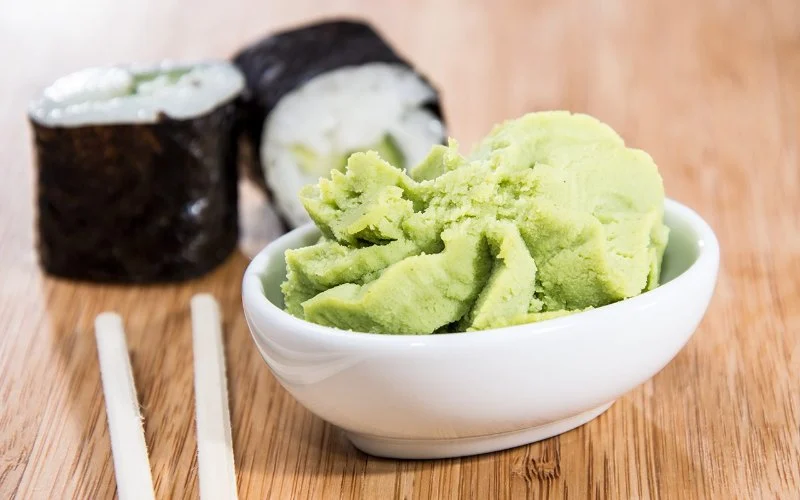
Wasabi, often referred to as Japanese horseradish, is a pungent green paste that has been a staple of Japanese cuisine for centuries. The origin of wasabi dates back to Japan's ancient history, where it was first cultivated in the mountainous regions, particularly in the river valleys of central and northern Japan. The plant, known scientifically as *Wasabia japonica*, is part of the Brassicaceae family, which also includes horseradish, mustard, and cabbage.
In its natural form, wasabi grows best in cool, running water, which is why it’s traditionally grown in specific regions that offer the ideal environment. The cultivation of authentic wasabi is a delicate process that takes several years, making it a rare and prized ingredient in Japanese cuisine.
2. Understanding the Unique Flavor of Wasabi
Wasabi is known for its intense, sharp flavor that can quickly clear the sinuses. Unlike hot peppers, which contain capsaicin and create a burning sensation, wasabi's heat comes from allyl isothiocyanate, a compound released when the plant is grated. The flavor is pungent, peppery, and can cause a brief but intense sensation that often dissipates quickly, leaving behind a fresh, zesty aftertaste.
2.1. Fresh vs. Imitation Wasabi
The flavor of fresh wasabi is much more complex and nuanced compared to imitation wasabi, which is commonly found in many Japanese restaurants outside of Japan. Imitation wasabi is typically made from horseradish, mustard, and green food coloring, which lacks the depth and richness of authentic wasabi. True wasabi offers a more subtle, fragrant heat, and when freshly grated, it has a cleaner, less harsh taste.
3. How Wasabi is Used in Japanese Cuisine
Wasabi is a versatile ingredient used in various dishes in Japanese cuisine, most notably as a condiment for sushi and sashimi. It is traditionally served alongside raw fish to complement the flavors, enhance the taste of the seafood, and add a kick of heat. Wasabi’s sharpness works particularly well with fatty fish like tuna and salmon, as it balances the richness with its clean, pungent flavor.
3.1. Wasabi in Sushi
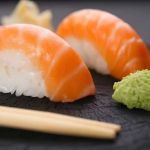
When served with sushi, wasabi is either placed directly between the rice and the fish or on the side, depending on the chef’s preference and the style of sushi. The wasabi helps cut through the fish’s fat and enhances the delicate flavors of the sushi. In some cases, sushi chefs might use wasabi to elevate the flavor profile of the sushi roll or nigiri, creating a subtle and harmonious balance of flavors.
3.2. Wasabi in Other Dishes
Wasabi is also used in a variety of other Japanese dishes, including noodles (such as soba or udon), soups, and even in salad dressings. Additionally, wasabi can be found as an ingredient in modern Japanese fusion dishes like wasabi-flavored mayo, dipping sauces, and even wasabi ice cream.
4. Fun Facts About Wasabi
Here are a few fun and surprising facts about wasabi that you might not know:
4.1. Real Wasabi is Rare
True wasabi (*Wasabia japonica*) is a rare commodity. Growing wasabi requires specific conditions, and it can take up to three years for the plant to mature. As a result, many restaurants serve imitation wasabi instead of the real thing, especially outside Japan, where authentic wasabi is difficult to source and expensive.
4.2. Wasabi and Health Benefits
Wasabi contains natural compounds that are believed to have anti-inflammatory and antibacterial properties. It is also rich in antioxidants, which can help protect the body from free radicals. These health benefits, combined with its unique flavor, make wasabi more than just a condiment—it's also a food with potential health advantages.
Whether you’re a fan of sushi or just love bold, flavorful condiments, wasabi has earned its place as an iconic part of Japanese cuisine. For those interested in exploring more about authentic Japanese dining, visit Japanese Restaurant for top-quality ingredients, recipes, and meal recommendations to elevate your experience with wasabi.
 Ramen Mura Ramen & Sushi4.0 (402 reviews)
 Misaki Sushi4.0 (271 reviews)
 Shabu Shabu Bar4.0 (338 reviews)
 Sakura Sushi and Grill4.0 (768 reviews)
 250 W Portal Ave, San Francisco, CA 941270.0 (0 reviews)
 Ami Sushi4.0 (422 reviews)
 Best Dining Experience at Aki Japanese Restaurant
 Best Dishes You Should Order at Wasabi Japanese Restaurant
 De Fune Japanese Restaurant in Marylebone London – A True Culinary Gem
 Why Umi Japanese Restaurant Is a Must-Try Spot for Japanese Food Lovers
 Insider's Review of Nami Japanese Restaurant – A Top Spot for Sushi and Ramen Lovers
 What Makes an Authentic Japanese Restaurant Stand Out Among Japanese Restaurants