
- 1-History-and-Cultural-Context-of-Whale-Meat-in-Japan
- 2-Modern-Practices-and-Trends-in-Japanese-Restaurants
- 3-Case-Studies-and-Public-Perception-of-Whale-Consumption
- 4-Finding-Authentic-Japanese-Cuisine-and-Alternatives
1. History and Cultural Context of Whale Meat in Japan
Whale meat has a long and complex history in Japan, deeply intertwined with both cultural traditions and economic necessities. Historically, whale meat was a vital source of protein for coastal communities, especially during post-war periods when other sources of meat were scarce. Japanese restaurants, particularly in coastal areas, did indeed serve whale meat, making it a recognized component of traditional cuisine. The consumption was not merely about taste but also about sustaining communities and preserving cultural heritage.
Understanding the cultural context is essential when discussing whether Japanese restaurants have sold whale. Whale dishes such as “whale sashimi” and “whale bacon” were common in some establishments. However, this tradition is more nuanced than simply “selling whale meat” as a commonplace menu item across all restaurants. It was largely regional and tied to particular historical moments.
1.1 Regional Variations and Traditional Dishes
In areas like Taiji and Wakayama, where whaling has historically been practiced, whale meat has featured prominently in local culinary traditions. Dishes ranged from raw slices of whale meat to processed products that resemble bacon or sausages. These offerings reflect not only local tastes but also a centuries-old relationship with marine life that is less prevalent in other parts of Japan.
1.2 The Impact of International Whaling Regulations
Japan’s relationship with whale meat has also been shaped by international pressures and regulations, notably from the International Whaling Commission (IWC). These restrictions led to a decline in commercial whaling and consequently a reduced presence of whale meat in mainstream Japanese restaurants. This shift had a significant impact on how and where whale meat was available.
2. Modern Practices and Trends in Japanese Restaurants
Today, the question “have Japanese restaurants sold whale?” requires a nuanced answer. While whale meat was once more broadly available, modern Japanese restaurants rarely feature whale on their menus due to legal, ethical, and public opinion factors.
2.1 Legal Status and Availability
Since Japan withdrew from the IWC’s moratorium on commercial whaling in 2019, limited whaling resumed, primarily for scientific and traditional purposes. However, the scale remains small, and whale meat tends to be served mainly in specialty restaurants or regional eateries rather than in everyday dining spots.
This limited availability means most urban and mainstream Japanese restaurants do not sell whale meat. When it is served, it is often marketed as a rare delicacy or part of cultural heritage menus, rather than a regular offering.
2.2 Consumer Trends and Ethical Considerations
Increasing awareness about marine conservation and animal rights has influenced many consumers, particularly younger generations, to avoid whale meat. This shift affects restaurant menus, prompting many establishments to focus on sustainable seafood alternatives that align with contemporary values.
3. Case Studies and Public Perception of Whale Consumption
Looking at real-life examples helps clarify the current status of whale meat in Japanese cuisine. In Taiji, a town often in the news for its whaling practices, a few traditional restaurants still sell whale meat dishes. These places attract both tourists interested in cultural experiences and locals maintaining heritage food customs.
3.1 The Taiji Example
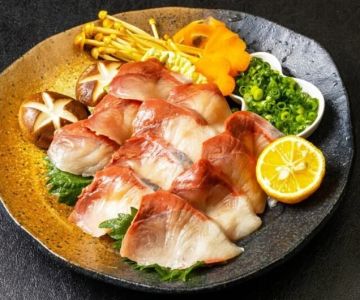
Despite international criticism, some restaurants in Taiji continue to serve whale sashimi and other whale products, blending tradition with tourism. Their menus highlight the history of whaling and its cultural importance, providing visitors with a unique gastronomic experience.
3.2 Public Reactions and Media Influence
Public perception outside Japan tends to be more critical, which influences how restaurants approach the topic. Many Japanese restaurants outside Japan avoid whale meat entirely to align with global expectations. This divergence between local tradition and international opinion adds complexity to the discussion about whale meat’s presence in Japanese dining.
4. Finding Authentic Japanese Cuisine and Alternatives
For those interested in exploring authentic Japanese food experiences today, it’s important to understand the diversity of offerings beyond whale meat. Many Japanese restaurants focus on seasonal, regional ingredients and sustainable seafood, presenting rich culinary traditions without controversy.
4.1 Where to Look for Traditional Whale Dishes
If you are curious about tasting whale meat within its cultural context, visiting specialty restaurants in coastal Japan is the best approach. These establishments provide detailed explanations of their dishes, emphasizing respect for tradition and sustainable practices.
4.2 Alternative Culinary Recommendations
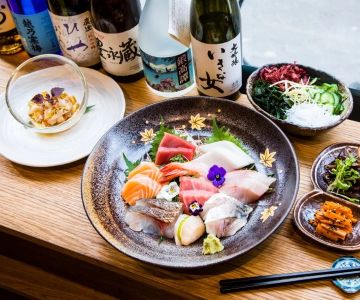
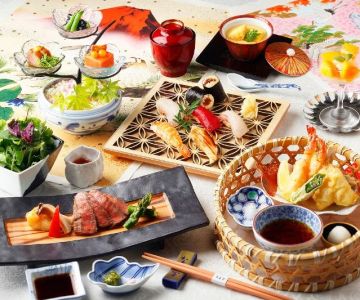
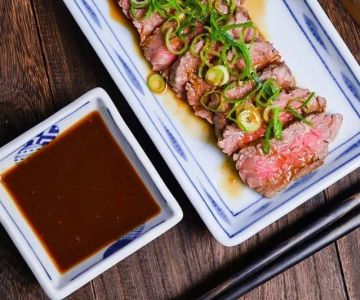
For most visitors and food enthusiasts, Japanese Restaurant offers a comprehensive guide to finding authentic dining options that celebrate Japan’s culinary heritage responsibly. From fresh sushi and sashimi to expertly prepared seafood and meat dishes, you can experience rich flavors without the ethical concerns surrounding whale meat.
 Kumo Japanese Steakhouse4.0 (1880 reviews)
 Osaka Sushi Restaurant4.0 (263 reviews)
 Sushi Sake Doral4.0 (1294 reviews)
 Asahi Teppenyaki & Sushi4.0 (830 reviews)
 Sushi 214.0 (245 reviews)
 Mirakutei Sushi & Ramen Clackamas4.0 (198 reviews)
 The Complete Guide to Dining at Inaba Japanese Restaurant
 How to Say Romantic Restaurant in Japanese
 A Foodie’s Experience at Wasabi Japanese Restaurant | Japanese Restaurant
 Explore the Diverse Menu at Hatsuhana Japanese Restaurant – A Culinary Journey
 What to Say When You Leave a Japanese Restaurant – Etiquette and Phrases
 The History and Flavor Behind Mt. Fuji Japanese Restaurant