
- traditional-restaurant-structure
- customer-service-and-etiquette
- operational-management
- technology-and-automation
- financial-and-regulatory-considerations
- case-study-okami
1. Traditional Restaurant Structure
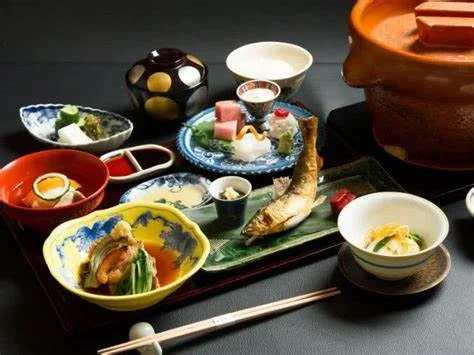
Japanese restaurants often emphasize an intimate and immersive dining experience. Many establishments feature counter seating, allowing diners to observe the meticulous preparation of dishes. This setup fosters a direct connection between the chef and the customer, enhancing the overall dining experience. The design and ambiance are carefully curated to reflect Japanese aesthetics, focusing on simplicity, harmony, and attention to detail.
2. Customer Service and Etiquette
Hospitality in Japanese restaurants is deeply rooted in the concept of omotenashi, which embodies selfless service and anticipation of guests' needs. Staff members are trained to provide attentive yet unobtrusive service, ensuring that each customer's experience is seamless and respectful. Common practices include greeting customers with a warm "Irasshaimase" upon entry and maintaining a clean and orderly environment throughout the dining area.
3. Operational Management
Effective management is crucial for the smooth operation of a Japanese restaurant. Key responsibilities include:
- Staff Management: Hiring, training, and scheduling staff to ensure efficient service and high-quality food preparation.
- Inventory Control: Monitoring stock levels and coordinating with suppliers to maintain a consistent supply of fresh ingredients.
- Quality Assurance: Upholding health and safety standards, as well as ensuring the authenticity and quality of dishes served.
- Customer Relations: Addressing customer feedback and implementing improvements to enhance the dining experience.
4. Technology and Automation
Modern Japanese restaurants often incorporate technology to streamline operations and improve customer satisfaction. Examples include:
- Shokken Machines: Automated ticketing systems that allow customers to place orders and pay before seating, reducing wait times and minimizing errors.
- Conveyor Belt Systems: In sushi restaurants, conveyor belts deliver dishes directly to customers, offering a dynamic and interactive dining experience.
- Digital Ordering Platforms: Tablets or touchscreens enable customers to browse menus and place orders at their convenience.
5. Financial and Regulatory Considerations
Operating a Japanese restaurant involves navigating various financial and legal requirements:
- Licensing: Obtaining necessary permits, such as fire safety licenses, which may require appointing a fire protection manager and developing a fire prevention plan.
- Cost Management: Balancing expenses related to high-quality ingredients and specialized staff, aiming to keep food and labor costs within sustainable percentages of revenue.
- Market Research: Understanding local demographics and preferences to tailor the restaurant's concept and offerings accordingly.
6. Case Study: Okami
Okami, a Japanese restaurant chain, exemplifies adaptability and innovation in the face of challenges. During the pandemic and subsequent economic pressures, Okami implemented strategies such as transitioning to takeaway services, adopting self-service ordering systems, and sourcing local ingredients to maintain quality while controlling costs. These measures not only ensured business continuity but also enhanced customer satisfaction and operational efficiency.
For those interested in exploring authentic Japanese dining experiences or seeking inspiration for their own ventures, visiting establishments like Okami can provide valuable insights. Additionally, platforms like Japanese Restaurant offer resources and recommendations to help you discover the best Japanese cuisine and services tailored to your preferences.
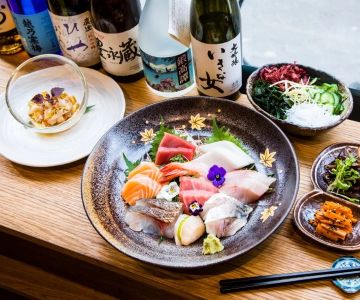
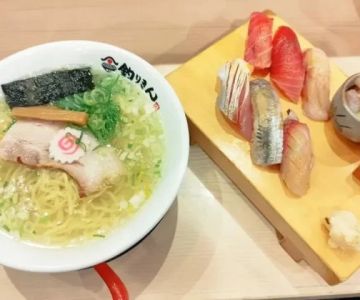
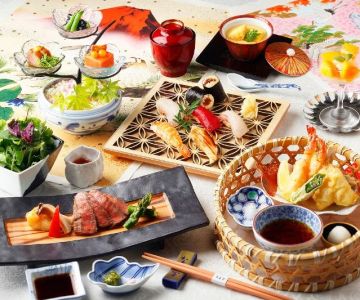
 Ozumo Santana Row4.0 (840 reviews)
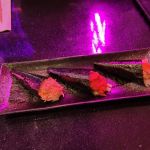 HERE FISHY4.0 (274 reviews)
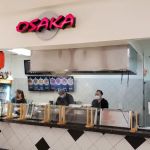 Osaka Japan Grille II Inc4.0 (152 reviews)
 OKINAMI SUSHI BAR4.0 (170 reviews)
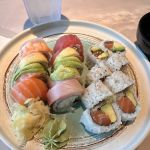 Osaka House Ramen & Sushi - San Bernardino4.0 (63 reviews)
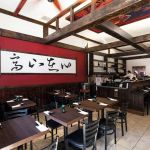 SushiStop Hollywood4.0 (835 reviews)
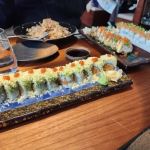 What Makes Minamoto Japanese Restaurant Stand Out Among Japanese Restaurants
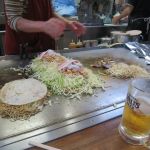 What Makes East Japanese Restaurant Stand Out Among Japanese Restaurants
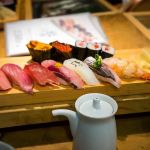 The Complete Guide to Dining at Sapporo Japanese Restaurant
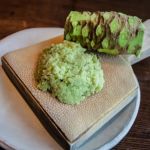 A Foodie’s Experience at Wasabi Japanese Restaurant | Japanese Restaurant
 The Complete Guide to Dining at Yutaka Japanese Restaurant
 Why Locals Recommend Fugakyu Japanese Restaurant | An Authentic Japanese Dining Experience