
- 1-Understanding-What-Are-Japanese-Restaurants-Called
- 2-Common-Types-and-Names-of-Japanese-Restaurants
- 3-Cultural-Meaning-Behind-Japanese-Restaurant-Names
- 4-Real-Stories-and-Examples-of-Japanese-Restaurant-Types
- 5-How-Japanese-Restaurant-Can-Help-You-Find-Authentic-Dining
1. Understanding What Are Japanese Restaurants Called
When exploring Japanese cuisine, many people wonder, “what are Japanese restaurants called?” Unlike the generic term “Japanese restaurant,” Japan has a rich variety of specialized dining venues, each with its own name reflecting the style of food, atmosphere, and cultural tradition. Knowing these names helps diners better appreciate the culinary experience and choose the right place for their preferences.
Japanese restaurants range from casual noodle shops to elegant establishments serving multi-course meals. The names often hint at the main dish or dining style, providing insight into what to expect.
1.1 Importance of Specific Names
Using the correct term when referring to a Japanese restaurant not only shows cultural awareness but also helps avoid confusion, as the Japanese dining scene is diverse and highly specialized.
2. Common Types and Names of Japanese Restaurants
Here are some of the most common names you’ll encounter:
2.1 Sushi-Ya (すし屋)
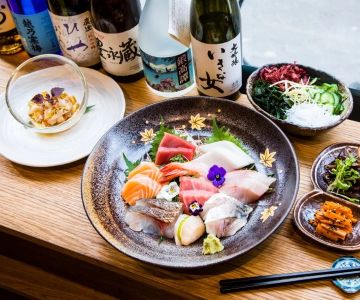
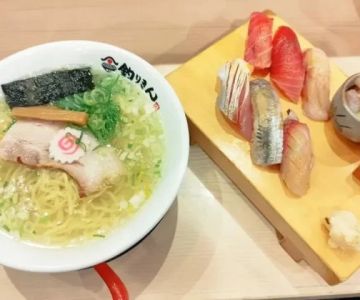
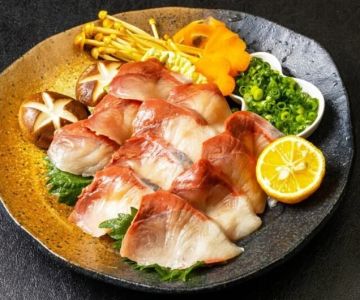
These are sushi bars or restaurants focusing on sushi and sashimi. Sushi-ya range from casual conveyor belt sushi spots to high-end omakase experiences where chefs prepare exquisite seasonal selections.
2.2 Izakaya (居酒屋)
Izakayas are casual Japanese pubs offering a wide variety of small dishes and drinks. They are social spots where people gather after work to enjoy grilled items, tempura, and sake in a relaxed atmosphere.
2.3 Ramen-Ya (ラーメン屋)
Ramen shops specialize in different styles of ramen noodles served in flavorful broths. These places are often bustling and affordable, perfect for quick and satisfying meals.
2.4 Kaiseki-ryori (懐石料理)
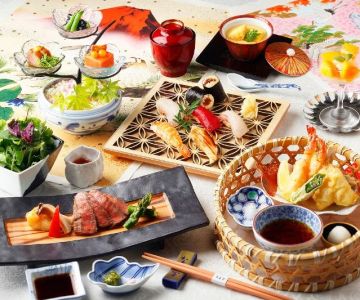
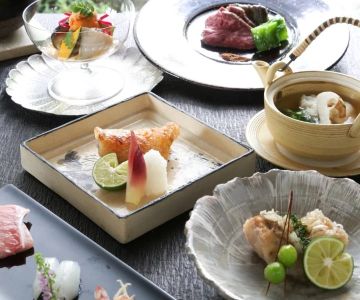
Kaiseki restaurants offer traditional multi-course haute cuisine emphasizing seasonal ingredients and artistic presentation. These are formal dining experiences often reserved for special occasions.
3. Cultural Meaning Behind Japanese Restaurant Names
Japanese restaurant names often carry deeper cultural or historical significance. For example, “ryotei” refers to exclusive, high-class establishments with tatami seating and personalized service, often visited by dignitaries. Names might also reference regional specialties or cooking methods, highlighting pride in heritage.
This naming tradition reflects Japan’s respect for precision, quality, and cultural identity within its culinary world.
4. Real Stories and Examples of Japanese Restaurant Types
A traveler visiting Osaka shared his experience dining at a bustling izakaya, where he enjoyed authentic grilled skewers and lively conversation with locals. Understanding that the place was an izakaya helped him immerse fully in the social dining culture.
Another visitor recounted her first visit to a sushi-ya in Tokyo’s Tsukiji district, where the chef’s omakase menu introduced her to rare fish and traditional techniques, deepening her appreciation for sushi craftsmanship.
5. How Japanese Restaurant Can Help You Find Authentic Dining
For those curious about what Japanese restaurants are called and seeking authentic dining experiences, our platform Japanese Restaurant offers detailed guides and curated listings. We help you explore various types of Japanese dining venues, ensuring you find the perfect match for your taste and occasion.
With expert recommendations and user reviews, Japanese Restaurant makes it easy to navigate Japan’s diverse culinary scene, from sushi-ya to izakayas and beyond.
 Kumo Japanese Steakhouse4.0 (1880 reviews)
 Osaka Sushi Restaurant4.0 (263 reviews)
 Sushi Sake Doral4.0 (1294 reviews)
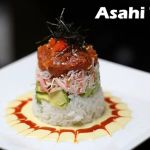 Asahi Teppenyaki & Sushi4.0 (830 reviews)
 Sushi 214.0 (245 reviews)
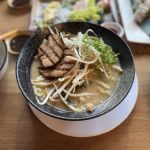 Mirakutei Sushi & Ramen Clackamas4.0 (198 reviews)
 The Complete Guide to Dining at Inaba Japanese Restaurant
 How to Say Romantic Restaurant in Japanese
 A Foodie’s Experience at Wasabi Japanese Restaurant | Japanese Restaurant
 Explore the Diverse Menu at Hatsuhana Japanese Restaurant – A Culinary Journey
 What to Say When You Leave a Japanese Restaurant – Etiquette and Phrases
 The History and Flavor Behind Mt. Fuji Japanese Restaurant