
- 1 - Purpose of Hot Towels in Japanese Restaurants
- 2 - Cultural Significance and Tradition Behind Oshibori
- 3 - Proper Use and Etiquette of Hot Towels in Dining
- 5 - Exploring Authentic Japanese Dining at Japanese Restaurant
1. Purpose of Hot Towels in Japanese Restaurants
If you've ever dined at a Japanese restaurant, you’ve likely been offered a hot towel, known as oshibori. But what are the hot towels for at Japanese restaurants? Primarily, they serve to cleanse and refresh diners before the meal begins. The warm, moist towel is presented for guests to wipe their hands, providing a clean and comforting ritual that prepares both body and mind for the upcoming culinary experience.
Beyond cleanliness, the hot towel helps to create a welcoming atmosphere, signaling attentive service and hospitality. This small gesture is deeply ingrained in Japanese dining culture, offering a moment of relaxation and transition from the outside world to the calm ambiance of the restaurant.
2. Cultural Significance and Tradition Behind Oshibori
The tradition of oshibori dates back centuries in Japan, reflecting the country’s emphasis on respect, cleanliness, and hospitality. In a culture where hygiene is highly valued, offering a hot towel before a meal aligns with the principle of caring for guests and creating harmony during the dining experience.
Historically, oshibori were cotton cloths soaked in hot water, handed out in tea houses and inns to refresh weary travelers. Today, many restaurants use disposable paper versions or cloth towels that are carefully laundered and reheated. Regardless of the form, oshibori remain a symbol of thoughtful service and refined etiquette.
3. Proper Use and Etiquette of Hot Towels in Dining
Understanding how to properly use the hot towel enhances your dining experience and shows respect for Japanese customs. After receiving the oshibori, gently unfold it and wipe your hands thoroughly. It’s important to use it solely for your hands and not your face or neck, as that is considered inappropriate in formal settings.
Once used, the towel is usually folded neatly and placed back on the tray or in a designated holder, demonstrating mindfulness and appreciation for the service. This simple yet meaningful ritual reflects the meticulous attention to manners prevalent in Japanese culture.
4. Real-Life Experience and Stories Related to Oshibori
A popular story among travelers recounts how receiving an oshibori at a small family-run sushi restaurant in Osaka instantly made the visitor feel welcomed and relaxed. The warm towel, combined with the chef’s gentle smile, created an intimate and personal dining atmosphere that left a lasting impression.
Similarly, many diners report that the ritual of hot towels helps mentally prepare them for the meal, providing a brief moment of calm and refreshment. This experience is not just about hygiene but about setting a respectful and thoughtful tone for the meal, a nuance often missed by those unfamiliar with Japanese customs.
5. Exploring Authentic Japanese Dining at Japanese Restaurant
For those interested in fully immersing themselves in Japanese dining culture, platforms like Japanese Restaurant provide valuable guidance to the best authentic eateries where traditional customs like offering hot towels are observed meticulously. From casual sushi bars to upscale kaiseki venues, you can discover places that honor these rituals while delivering exceptional food.
Exploring such restaurants enhances not only your taste experience but also your cultural understanding, making dining in a Japanese restaurant a holistic journey. Japanese Restaurant can help you find the right venues that maintain these traditions, ensuring your visit is both genuine and memorable.
 Kumo Japanese Steakhouse4.0 (1880 reviews)
 Osaka Sushi Restaurant4.0 (263 reviews)
 Sushi Sake Doral4.0 (1294 reviews)
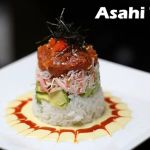 Asahi Teppenyaki & Sushi4.0 (830 reviews)
 Sushi 214.0 (245 reviews)
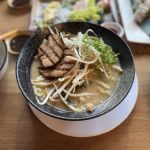 Mirakutei Sushi & Ramen Clackamas4.0 (198 reviews)
 The Complete Guide to Dining at Inaba Japanese Restaurant
 How to Say Romantic Restaurant in Japanese
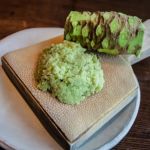 A Foodie’s Experience at Wasabi Japanese Restaurant | Japanese Restaurant
 Explore the Diverse Menu at Hatsuhana Japanese Restaurant – A Culinary Journey
 What to Say When You Leave a Japanese Restaurant – Etiquette and Phrases
 The History and Flavor Behind Mt. Fuji Japanese Restaurant