
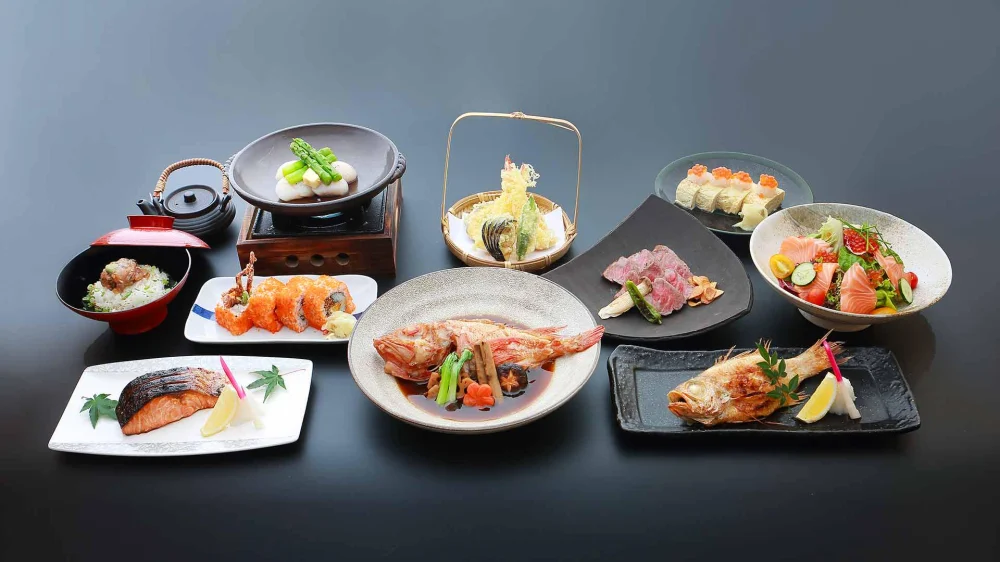
- understanding-japanese-cuisine-roots-and-philosophy
- what-do-japanese-restaurants-serve-day-to-day
- beyond-sushi-more-diverse-dishes-you-should-know
- regional-specialties-and-seasonal-menus
- the-dining-experience-authenticity-and-service
- where-to-start-your-journey
1. Understanding Japanese Cuisine: Roots and Philosophy
Before diving into the specifics of what Japanese restaurants serve, it’s important to understand the cultural philosophy behind the cuisine. At its heart, Japanese food celebrates seasonality, balance, and the aesthetics of simplicity. Whether you're dining at a street-side izakaya or a refined kaiseki restaurant, the goal is harmony—between flavors, colors, and presentation.
The Japanese culinary tradition is built on the idea of washoku (和食), a term recognized by UNESCO for its cultural significance. It emphasizes local ingredients, respect for nature, and visual elegance.
2. What Do Japanese Restaurants Serve Day to Day?
Ask “what do Japanese restaurants serve,” and many will first think of sushi—but that’s just the tip of the culinary iceberg. Daily offerings at Japanese restaurants span a wide spectrum depending on the establishment’s specialty.
Most casual eateries serve a range of staples like donburi (rice bowls), ramen (noodle soups), udon, yakisoba, and tempura (lightly battered and fried seafood or vegetables). Bento boxes—colorful meals portioned into compartments—are a lunchtime favorite that balances meat, rice, and vegetables with precision.
Restaurants may also offer set meals known as teishoku, which typically include a main dish, miso soup, pickles, and steamed rice. These meals offer a glimpse into the everyday home-style cuisine of Japan.
3. Beyond Sushi: More Diverse Dishes You Should Know
Sushi may be the most internationally recognized dish, but Japanese cuisine goes far beyond raw fish. For example, okonomiyaki is a savory pancake layered with meat, cabbage, and sauce—popular in Osaka and Hiroshima. Tonkatsu (breaded pork cutlet) is a Western-influenced dish that’s found in both home kitchens and high-end restaurants alike.
Shabu-shabu and sukiyaki are communal hot pot meals that bring people together around a bubbling broth, often enjoyed on special occasions. These dishes demonstrate the Japanese emphasis on group dining and seasonal celebration.
4. Regional Specialties and Seasonal Menus
Another defining trait of Japanese restaurants is their focus on locality. For instance, Hokkaido is known for its creamy seafood ramen and buttered corn; Kyushu offers spicy tonkotsu (pork bone) broth; and Kyoto’s culinary scene features delicate vegetarian temple cuisine, or shojin ryori.
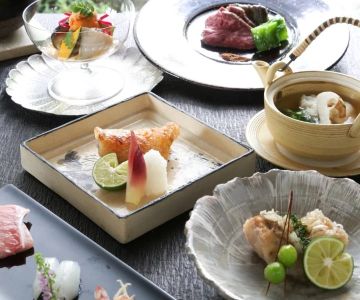
Seasonality is also critical. In spring, you’ll find cherry blossom-themed sweets. In autumn, mushrooms like matsutake and root vegetables dominate menus. Restaurants often adapt their offerings throughout the year, making each visit feel unique and timely.
5. The Dining Experience: Authenticity and Service
Japanese dining isn’t just about food—it’s about atmosphere, etiquette, and service. Many restaurants focus on providing a serene, minimalist ambiance with attentive but unobtrusive staff. Whether it’s the welcoming cry of “Irasshaimase!” upon entry or the careful preparation done at your table in a teppanyaki setting, the entire experience is part of the meal.
At a Japanese Restaurant, you're not just ordering food—you're engaging with centuries-old traditions, regional influences, and culinary artistry, all in one sitting.
6. Where to Start Your Journey
If you’re new to Japanese cuisine or just curious about expanding your palate, the best way to start is by visiting a local Japanese Restaurant with a diverse menu. Ask questions, try something unfamiliar like natto or uni, and observe how the dishes are served. Many restaurants also offer tasting menus that showcase seasonal ingredients in multiple formats.
For those seeking recommendations on where to begin, Japanese Restaurant is the perfect starting point to discover authentic dishes, expertly crafted menus, and high-quality service tailored to lovers of traditional and modern Japanese cuisine alike.
 Teriyaki Bowl4.0 (476 reviews)
 Mirai Bowl3.0 (296 reviews)
 Gari of Sushi4.0 (440 reviews)
 The Lobster Club4.0 (358 reviews)
 SHI4.0 (1412 reviews)
 Khanya Ramen And Sushi3.0 (433 reviews)
 Insider's Review of Yuki Japanese Restaurant: Top Dishes and Dining Experience
 Why Locals Recommend Yokohama Japanese Restaurant - Best Japanese Dining
 The History and Flavor Behind Orchid Japanese Restaurant
 Exploring OEC Japanese Restaurants: A Guide to Unique Dining Experiencesagfg.com.au+3zaubee.com+3oechibachi.com+3
 Signature Sushi and Ramen at Fujiya Japanese Restaurant – Authentic Japanese Cuisine
 Exploring the Menu at Sasa Japanese Restaurant: A Culinary Delight