
- 1-the-common-phrase-japanese-restaurants-yell-when-you-leave
- 2-cultural-significance-of-the-farewell-phrase
- 3-how-the-phrase-enhances-customer-experience
- 4-real-stories-and-visitors-experiences
- 5-tips-for-responding-in-japanese-restaurants
1. The Common Phrase Japanese Restaurants Yell When You Leave
When you leave a Japanese restaurant, you will often hear the staff enthusiastically say 「ありがとうございました」 (Arigatou gozaimashita), which means “Thank you very much.” This phrase is the customary way to express gratitude towards customers as they exit.
Sometimes, the farewell may be accompanied by a warm bow or a polite shout of 「またお越しくださいませ」 (Mata okoshi kudasaimase), meaning “Please come again.” This courteous send-off is a staple in Japanese dining etiquette and is heard in nearly every restaurant across Japan.
1.1 Difference from the Greeting
Just as customers are greeted upon entry with 「いらっしゃいませ」 (Irasshaimase), the departing phrase marks the respectful closure of the visit.
2. Cultural Significance of the Farewell Phrase
The phrase “arigatou gozaimashita” reflects the deep-rooted Japanese value of respect and appreciation. It is more than a polite goodbye—it acknowledges the customer's choice to dine at the establishment and the shared experience.
In Japanese culture, hospitality, known as omotenashi, emphasizes genuine care for the guest. Saying thank you upon departure is part of this philosophy, creating a lasting positive impression.
2.1 Reinforcing Social Harmony
This ritual fosters social harmony and mutual respect, which are core principles in Japanese society. The vocal farewell also encourages customers to return, building long-term relationships between diners and restaurants.
3. How the Phrase Enhances Customer Experience
Hearing “arigatou gozaimashita” as you leave adds a personal touch to your visit. It helps customers feel valued and appreciated, turning a simple meal into a memorable event.
Many travelers recount how this warm send-off made them feel welcomed and respected, enhancing their overall impression of Japanese culture.
3.1 Beyond Words: The Atmosphere
Combined with a bow and a sincere tone, this phrase enriches the dining atmosphere, making the departure just as meaningful as the arrival.
4. Real Stories and Visitors Experiences
Jessica, a visitor from Canada, shared her experience: “After finishing dinner at a cozy sushi bar in Tokyo, the staff all said ‘arigatou gozaimashita’ together as I left. It was such a warm moment, and it made me want to come back.” Stories like hers illustrate how this tradition leaves a lasting emotional impact.
Such encounters often become highlights of travelers’ journeys, symbolizing the kindness embedded in Japanese hospitality.
4.1 Common Experiences Across Japan
Whether in bustling cities or rural towns, this polite farewell is universally practiced, reinforcing its importance in Japanese dining culture.
5. Tips for Responding in Japanese Restaurants
When leaving, you can politely respond with 「ごちそうさまでした」 (Gochisousama deshita), which means “Thank you for the meal.” This phrase shows your appreciation and respect for the chef and staff.
Using these expressions creates a respectful exchange and shows cultural awareness, enhancing your dining experience in Japanese restaurants.
For more tips on Japanese dining etiquette and language, visit Japanese Restaurant, where you can find detailed guides and resources to make your meals in Japan or Japanese restaurants worldwide truly special.

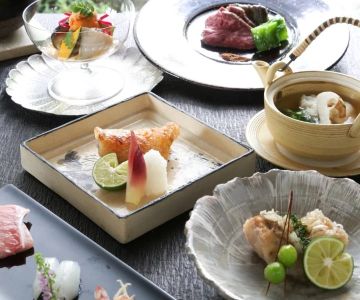
 Oyama Japanese And Thai4.0 (270 reviews)
 Wasabi Bistro4.0 (708 reviews)
 Cafe Yoto4.0 (86 reviews)
 Ichiza 2 Hanare Japanese Resaurant - All Private Dining Room -4.0 (132 reviews)
 Sumo Hibachi4.0 (80 reviews)
 Epoch Asian Fusion4.0 (143 reviews)
 Why Locals Recommend Japanese Sushi Restaurants: Discover the Secrets Behind the Popularity
 A Foodie’s Experience at Bozu Japanese Restaurant
 How to Say "Run a Restaurant" in Japanese: A Complete Guide for Restaurant Owners
 Exploring the Menu at Taki Japanese Restaurant Dunwoody: A Culinary Journey
 Exploring the Menu at Japanese Restaurant in Atlanta
 Why Locals Recommend Tachibana Japanese Restaurant: A Taste of Authenticity