
- 1-Typical-Japanese-Greetings-in-Restaurants
- 2-Cultural-Meaning-Behind-Restaurant-Greetings
- 3-How-to-Respond-When-Entering-a-Japanese-Restaurant
- 4-Real-Experience-and-Stories-of-Japanese-Restaurant-Greetings
- 5-Tips-to-Enjoy-the-Authentic-Japanese-Dining-Experience
1. Typical Japanese Greetings in Restaurants
When you enter a Japanese restaurant, you will often hear the staff warmly say, “Irasshaimase!” This phrase is a lively and polite way of welcoming customers, literally meaning “Please come in” or “Welcome.” It is used not only in restaurants but also in shops and other service establishments throughout Japan.
This greeting is typically spoken loudly and cheerfully to create an inviting atmosphere for diners. It might feel a bit overwhelming at first, especially if you're unfamiliar with Japanese customs, but understanding this common phrase helps you appreciate the attentiveness of the staff.
Besides “Irasshaimase,” staff may use polite phrases like “Okyaku-sama, irasshai-mashita” (meaning “Dear customer, welcome”) in more formal settings, or simply smile and bow to acknowledge your arrival. The goal is to make you feel respected and valued from the moment you step inside.
1.1 Variations Depending on Restaurant Type
In casual dining places like ramen shops or sushi bars, “Irasshaimase” is standard and usually delivered in a friendly, energetic tone. On the other hand, fine dining Japanese restaurants might use softer, more refined greetings that emphasize hospitality and elegance.
1.2 The Role of Staff Coordination
It’s common to hear multiple staff members greeting new arrivals simultaneously, showcasing the team’s coordination and dedication to service. This collective welcome helps set a positive mood and reflects the culture of omotenashi — the spirit of Japanese hospitality.
2. Cultural Meaning Behind Restaurant Greetings
Understanding what Japanese say when you enter a restaurant extends beyond memorizing phrases. These greetings carry deep cultural significance, embodying respect, gratitude, and the desire to offer the best experience possible.
“Irasshaimase” is more than just a welcome; it is a verbal expression of the staff’s readiness to serve and attentiveness to customers’ needs. This ritual creates a connection that shows the restaurant values every guest, not just as a customer but as an honored visitor.
In Japan, the customer is often regarded as “kami-sama” or “god,” which emphasizes the importance of impeccable service. The greeting helps maintain this respectful dynamic, ensuring guests feel comfortable and appreciated throughout their visit.
2.1 Omotenashi: The Heart of Japanese Hospitality
Omotenashi, a unique Japanese concept, means wholehearted hospitality without expecting anything in return. The staff’s greeting is a small yet essential part of this cultural mindset, signaling genuine care and attention to detail.
2.2 Impact on Customer Experience
For many foreigners, hearing the coordinated “Irasshaimase” upon entry can be an exciting cultural moment. It immediately sets the tone for a positive dining experience and builds trust that the meal will be special.
3. How to Respond When Entering a Japanese Restaurant
Many wonder what the appropriate response is when Japanese staff say “Irasshaimase.” Typically, guests do not need to reply verbally. A simple nod or a polite smile is sufficient and appreciated.
Showing respect through body language, such as a slight bow or eye contact, reflects your understanding of the culture and is warmly received. If you are invited to wait or follow staff, responding promptly and courteously helps the smooth flow of service.
Occasionally, if you are a repeat customer or visiting a smaller establishment, you might hear personalized greetings like “Okaerinasai” (“Welcome back”). Responding with “Tadaima” (“I’m home”) is a charming way to engage in this cultural exchange.
3.1 Common Questions Upon Entry
After greeting you, staff might ask, “Nanmei-sama desu ka?” meaning “How many people?” or “Do you have a reservation?” Understanding these common questions helps prepare you to navigate the initial moments smoothly.
3.2 Tips for First-Time Visitors
If you feel unsure, observing other guests or discreetly watching staff can guide you. Remember, the hospitality team is there to assist, and a friendly attitude will always enhance your experience.
4. Real Experience and Stories of Japanese Restaurant Greetings
One traveler shared a memorable experience visiting a small family-run restaurant in Kyoto. Upon entering, the entire staff enthusiastically greeted her with “Irasshaimase!” The warmth of the welcome made her feel immediately at home, despite being thousands of miles away.
She recounted how the cheerful greetings helped break the ice, and by the end of the meal, she was exchanging simple Japanese phrases with the staff, deepening her appreciation for the culture and the food.
Such experiences are common in Japan and highlight how what Japanese say when you enter a restaurant can transform a simple meal into a meaningful cultural exchange.
4.1 Online Buzz and Popular Culture
The phrase “Irasshaimase” has also gone viral online, with many foreigners sharing videos of their first encounters. These moments often spark curiosity and a desire to learn more about Japanese customs, driving tourism and cultural interest.
4.2 Professional Insight
Experts in Japanese culture emphasize that these greetings are not scripted performances but sincere reflections of respect and care. Learning about them provides valuable insight for anyone interested in Japanese dining or hospitality.
5. Tips to Enjoy the Authentic Japanese Dining Experience
To make the most out of your visit to a Japanese restaurant, embrace the cultural greetings and respond with respect. This sets a positive tone for the entire meal and helps you connect more deeply with the dining environment.
Exploring the variety of traditional phrases and behaviors enhances your understanding and appreciation of Japanese customs. If you want to find the best places to experience authentic Japanese hospitality and cuisine, the website Japanese Restaurant offers excellent recommendations for restaurants, services, and products tailored to your preferences.
Being open to learning and engaging politely will enrich your dining experience and leave lasting memories of your visit.
5.1 Observe and Adapt
Watching how locals behave and following their lead is a practical way to adapt quickly to Japanese restaurant customs. This not only helps you avoid faux pas but also makes you feel more confident.
5.2 Enjoy the Moment
Remember, dining in Japan is as much about atmosphere and respect as it is about food. Taking time to enjoy the greetings, the service, and the meal itself is part of what makes the experience so unique and rewarding.
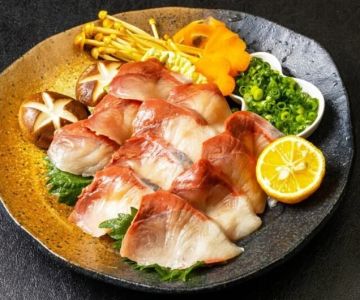
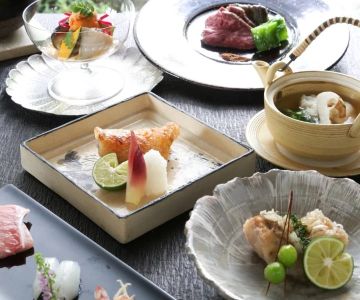
 Oyama Japanese And Thai4.0 (270 reviews)
 Wasabi Bistro4.0 (708 reviews)
 Cafe Yoto4.0 (86 reviews)
 Ichiza 2 Hanare Japanese Resaurant - All Private Dining Room -4.0 (132 reviews)
 Sumo Hibachi4.0 (80 reviews)
 Epoch Asian Fusion4.0 (143 reviews)
 Why Locals Recommend Japanese Sushi Restaurants: Discover the Secrets Behind the Popularity
 A Foodie’s Experience at Bozu Japanese Restaurant
 How to Say "Run a Restaurant" in Japanese: A Complete Guide for Restaurant Owners
 Exploring the Menu at Taki Japanese Restaurant Dunwoody: A Culinary Journey
 Exploring the Menu at Japanese Restaurant in Atlanta
 Why Locals Recommend Tachibana Japanese Restaurant: A Taste of Authenticity