
- what-do-the-restaurant-door-flags-mean-japanese
- the-cultural-and-functional-history-of-noren
- different-types-of-noren-and-what-they-signify
- real-life-stories-behind-these-curtains
- find-authentic-noren-experiences-with-japanese-restaurant
1. What Do the Restaurant Door Flags Mean in Japanese Culture?
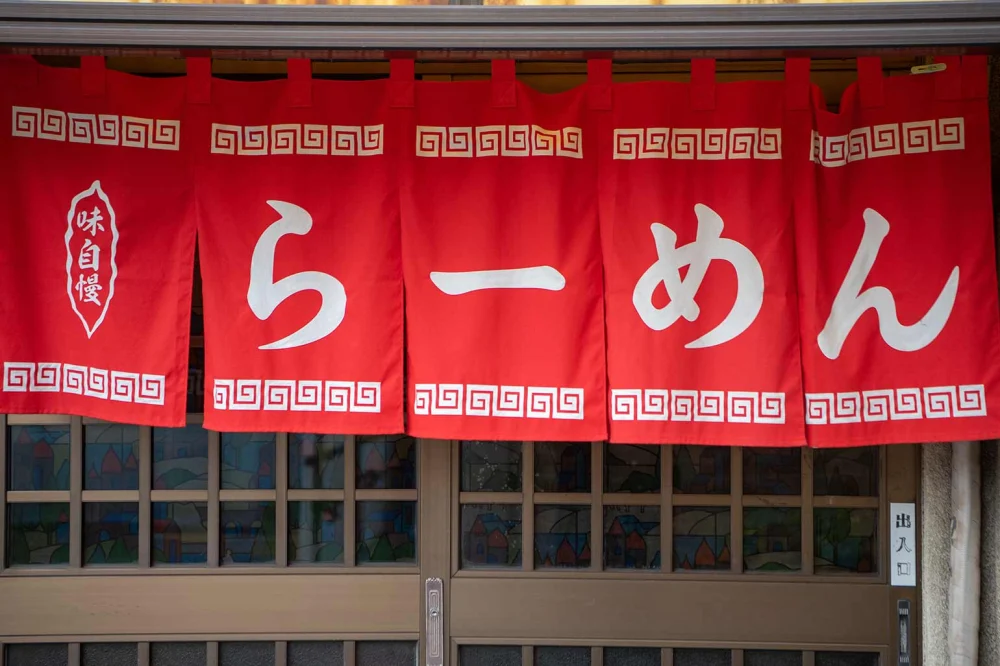
Visitors to Japan or Japanese eateries often notice a piece of fabric hanging above the entrance — a curtain-like cloth split in the middle. Many ask: “What do the restaurant door flags mean Japanese?” These are called noren (暖簾), and they are much more than simple decoration.
In Japanese culture, noren carry functional, symbolic, and even spiritual significance. They offer a subtle form of communication — telling customers whether a place is open, what type of business it is, and what atmosphere they can expect inside. To the trained eye, a noren says more than any neon sign ever could.
2. The Cultural and Functional History of Noren
2.1 Origins in practicality
Noren were originally used in ancient Japan to protect stores from dust, wind, and sun. They helped maintain interior temperature and kept insects out, all while allowing customers to enter with ease. But as time went on, they evolved to convey identity and tradition.
2.2 A visual brand and sign of hospitality
Restaurants often have custom-designed noren bearing the shop’s name, logo, or calligraphy. It’s a quiet invitation — once the noren is out, the shop is ready to welcome guests. When it’s taken down or tied up, the message is equally clear: closed for the day.
2.3 Transition between public and private space
Stepping through a noren can feel like entering a different world. It marks a psychological boundary between the outside street and the personal experience within. For many Japanese diners, the act of brushing the noren aside is part of the ritual of eating out.
3. Different Types of Noren and What They Signify
3.1 Restaurant-specific symbols
Sushi restaurants may have white or navy blue noren with minimal characters, reflecting cleanliness and tradition. Ramen shops might use bold red for energy and appetite. Izakayas often feature handwritten-style kanji, giving off a cozy, informal feel.
3.2 Seasonal noren
Some establishments switch noren by season — lighter colors and materials in summer, heavier and darker fabrics in winter. This not only reflects Japanese aesthetic values, but also helps regulate interior temperature naturally.
3.3 Language and kanji use
Even if you can’t read Japanese, certain kanji are common: 「営業中」 (eigyo-chu) means “open for business,” while 「準備中」 (junbi-chu) means “preparing/closed.” Names, specialties (like 「そば」 for soba or 「うなぎ」 for eel), and regional branding also appear often.
4. Real-Life Stories Behind These Curtains
4.1 A quiet welcome in Kyoto
On my first visit to Kyoto, I was wandering alleyways when a breeze lifted a faded navy noren with white kanji. It revealed a tiny soba shop I might have otherwise missed. I stepped in, was greeted with a smile, and enjoyed the most delicate bowl of handmade noodles I’ve ever had. That noren wasn’t flashy — but it felt like an invitation whispered on cloth.
4.2 Symbolism at Michelin-starred spots
At some high-end kaiseki restaurants, the noren is treated like a sacred veil. Staff may open it for you as a sign of respect, and the fabric itself is often handmade by local artisans. It’s not just a curtain — it’s part of the storytelling of the meal that follows.
5. Find Authentic Noren Experiences with Japanese Restaurant
If you’re curious about the meaning behind noren and want to experience them firsthand, Japanese Restaurant is the perfect starting point. We connect diners with traditional Japanese restaurants where cultural details like noren aren’t just accessories — they’re part of the identity.
From small ramen counters to refined omakase venues, our platform helps you discover where tradition lives in every detail. When you spot that flowing fabric at the entrance, you’ll not only know what it means — you’ll appreciate what it represents. Let Japanese Restaurant help guide you toward those quiet doors and the meals that await behind them.
 Yoi Roll5.0 (4 reviews)
 Sushi 4 U4.0 (111 reviews)
 Joyce's Kitchen5.0 (2 reviews)
 Fish & Rice4.0 (409 reviews)
 Nikkei of Peru4.0 (257 reviews)
 251 Ginza Sushi4.0 (78 reviews)
 What Makes Kiku Japanese Restaurant Stand Out Among Japanese Restaurants
 Signature Sushi and Ramen at Tora Japanese Restaurant | Must-Try Dishes
 Why Locals Recommend Hatsuhana Japanese Restaurant: A Must-Try Dining Experience
 An Insider's Review of Domo Japanese Restaurant: What You Need to Know
 Kiku Japanese Restaurant: History, Flavor, and Signature Dishes
 Exploring the Menu at Inaba Japanese Restaurant