
1. Welcoming Phrases in Japanese Restaurants
Walking into a Japanese restaurant, you are often greeted with the warm and polite phrase “Irasshaimase!” This expression means “Welcome!” and is enthusiastically called out by staff to make guests feel invited and valued. It sets a respectful and hospitable tone for the entire dining experience.
1.1 Understanding “Irasshaimase”
Though customers usually don’t respond to this greeting, recognizing it helps visitors feel more connected to the atmosphere and culture of the restaurant.
1.2 Other Greetings and Seating
When seated, staff might say “Osewa ni narimasu” or simply guide you with phrases like “Kochira e douzo” (This way, please), showing attentiveness and politeness.
2. Common Expressions Used by Staff
Japanese restaurant staff use specific phrases to guide the dining process smoothly and respectfully.
2.1 Taking Orders
Phrases like “Gochūmon wa okimari desu ka?” (Have you decided on your order?) are common, indicating readiness to take your request.
2.2 Serving and Explaining Dishes
When dishes arrive, staff often say “Omatase shimashita” (Thank you for waiting), reflecting courteous service. They may also explain special dishes with terms like “Kore wa o-susume desu” (This is our recommendation).
2.3 Checking on Guests
To ensure satisfaction, phrases such as “Go-yōbō wa arimasu ka?” (Do you have any requests?) show attentiveness.
3. Phrases Customers Should Know
Knowing a few key phrases can enrich your dining experience and help you communicate politely.
3.1 Ordering and Asking Questions
Simple phrases like “Sumimasen” (Excuse me) to get the server’s attention or “O-susume wa nan desu ka?” (What do you recommend?) are very useful.
3.2 Expressing Thanks
Before and after eating, saying “Itadakimasu” (I humbly receive) and “Gochisō sama deshita” (Thank you for the meal) shows respect and appreciation.
3.3 Requesting the Bill
When ready, you might say “O-kaikei onegaishimasu” (The check, please) politely.
4. Cultural Importance of Restaurant Language
The language used in Japanese restaurants reflects broader cultural values such as respect, humility, and hospitality. Both staff and customers engage in a subtle dance of politeness that enhances the dining experience beyond just food.
4.1 Politeness and Respect
Polite language (keigo) is a key part of Japanese service culture, demonstrating respect for guests and colleagues.
4.2 Enhancing the Experience Through Language
Understanding these expressions not only helps with communication but also allows diners to appreciate the cultural context, making each meal more meaningful.
5. Real Life Experience Understanding Restaurant Phrases
Anna, an avid traveler, shared her first visit to a Tokyo izakaya where she was initially overwhelmed by the rapid-fire Japanese phrases. However, learning just a few common expressions like “Irasshaimase” and “Omatase shimashita” helped her feel more at ease. She found that using polite phrases herself, even with simple pronunciation, led to warmer interactions and an overall richer experience.
6. Finding Authentic Japanese Restaurant Services
If you want to immerse yourself in authentic Japanese dining, our website Japanese Restaurant offers expert recommendations for restaurants that embody traditional hospitality and language use. Whether you are a beginner or a seasoned diner, Japanese Restaurant can guide you to establishments where the culture, food, and language come together seamlessly.
Understanding what they say in Japanese restaurants opens the door to a deeper appreciation of Japan’s rich dining culture, making every meal an opportunity to connect and enjoy.
 Kumo Japanese Steakhouse4.0 (1880 reviews)
 Osaka Sushi Restaurant4.0 (263 reviews)
 Sushi Sake Doral4.0 (1294 reviews)
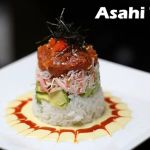 Asahi Teppenyaki & Sushi4.0 (830 reviews)
 Sushi 214.0 (245 reviews)
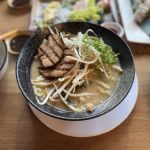 Mirakutei Sushi & Ramen Clackamas4.0 (198 reviews)
 The Complete Guide to Dining at Inaba Japanese Restaurant
 How to Say Romantic Restaurant in Japanese
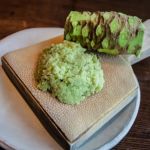 A Foodie’s Experience at Wasabi Japanese Restaurant | Japanese Restaurant
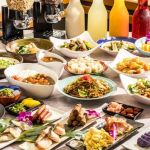 Explore the Diverse Menu at Hatsuhana Japanese Restaurant – A Culinary Journey
 What to Say When You Leave a Japanese Restaurant – Etiquette and Phrases
 The History and Flavor Behind Mt. Fuji Japanese Restaurant