
- 1-Common-farewell-phrases-in-japanese-restaurants
- 2-Cultural-meaning-behind-these-expressions
- 3-How-to-respond-when-leaving-a-japanese-restaurant
- 4-Real-customer-experiences-and-stories
- 5-Explore-authentic-japanese-dining-resources
1. Common Farewell Phrases in Japanese Restaurants
When you leave a Japanese restaurant, it is customary for the staff to politely bid you farewell with phrases such as 「ありがとうございました」 (Arigatou gozaimashita), meaning “Thank you very much,” and 「またお越しくださいませ」 (Mata okoshi kudasaimase), which translates to “Please come again.” These expressions reflect the deep-rooted respect and appreciation for customers in Japanese culture.
1.1 The Use of Politeness Levels
Japanese language incorporates different levels of politeness. The phrases used by restaurant staff are formal, emphasizing gratitude and encouraging customers to return, which enhances the hospitality experience.
1.2 Other Common Expressions
Sometimes, you might also hear 「お気をつけて」 (Oki wo tsukete), meaning “Take care,” or 「お疲れ様でした」 (Otsukaresama deshita), a phrase expressing appreciation for someone’s effort, extending goodwill as you depart.
2. Cultural Meaning Behind These Expressions
These farewell phrases are more than mere words—they embody the Japanese spirit of omotenashi, or wholehearted hospitality.
2.1 Demonstration of Respect and Gratitude
By saying “Thank you very much” and inviting customers to return, staff show respect and genuine appreciation, reinforcing a positive dining experience that encourages loyalty.
2.2 Creating a Lasting Impression
The warm send-off ensures guests leave with a feeling of being valued, which is essential in Japan’s service culture where customer satisfaction is paramount.
3. How to Respond When Leaving a Japanese Restaurant
Understanding what they say when you leave a Japanese restaurant also means knowing how to respond politely.
3.1 Simple and Polite Replies
Common responses include 「ごちそうさまでした」 (Gochisousama deshita), meaning “Thank you for the meal,” which expresses gratitude to the staff and chef. You can also say 「ありがとうございます」 (Arigatou gozaimasu) to return the appreciation.
3.2 Non-Verbal Gestures
A slight bow while saying goodbye is customary and conveys respect and thanks without words, especially if language barriers exist.
4. Real Customer Experiences and Stories
Many visitors to Japan share how these farewell phrases enhanced their dining experiences, making them feel welcomed and appreciated.
4.1 A Tourist’s Reflection
One traveler noted how hearing the staff say 「ありがとうございました」 and 「またお越しくださいませ」 made the meal feel complete and encouraged them to revisit the restaurant on future trips.
4.2 Building Connection Through Language
Customers who learned and used these phrases often found deeper connections with restaurant staff, gaining respect and friendly recognition beyond the typical tourist experience.
5. Explore Authentic Japanese Dining Resources
For those fascinated by Japanese hospitality and culture, exploring resources to learn about dining etiquette and language can enrich your culinary journeys.
5.1 Japanese Restaurant as a Learning Hub
Japanese Restaurant offers curated guides, products, and cultural insights to help you navigate Japanese dining with confidence, from understanding greetings to savoring authentic cuisine.
5.2 Deepening Cultural Appreciation
Mastering these phrases and customs not only enhances your meals but also shows respect for the culture, making every visit to a Japanese restaurant more meaningful.
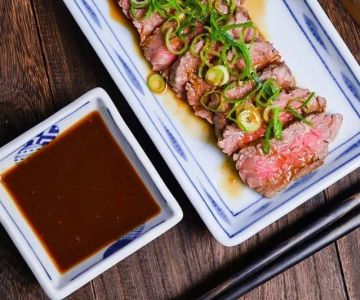
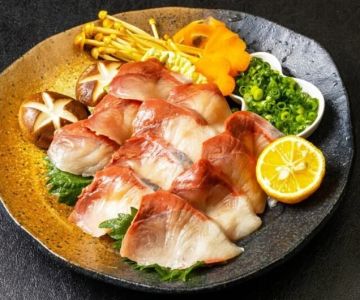
 Shabu-Tatsu4.0 (505 reviews)
 Mikiya Wagyu Shabu House | Temple City4.0 (262 reviews)
 Giant Sakura4.0 (221 reviews)
 Sushi Koji4.0 (361 reviews)
 Kyo Sushi4.0 (225 reviews)
 O Sushi & Grill4.0 (455 reviews)
 Exploring the Menu at Hiro Japanese Restaurant: A Culinary Journey
 An Insider’s Review of Miyabi Japanese Restaurant – Authentic Dining Experience
 Is There Still a Japanese Restaurant? Exploring the Cultural Revival Across the U.S.
 What Makes Sushishima Japanese Restaurant Stand Out Among Japanese Restaurants
 The History and Flavor Behind Orchid Japanese Restaurant
 Top Dishes You Should Order at Taiko Japanese Restaurant