
- 1-Common-Sprays-Used-on-Japanese-Restaurant-Griddles
- 2-Role-of-Oils-and-Flavoring-in-Griddle-Cooking
- 3-Traditional-versus-Modern-Practices-in-Japanese-Cooking
- 4-Real-Examples-from-Famous-Japanese-Restaurants
- 5-How-to-Replicate-Japanese-Griddle-Techniques-at-Home
1. Common Sprays Used on Japanese Restaurant Griddles
One frequent question among food enthusiasts is, what does Japanese restaurants spray on griddle? In many Japanese eateries, especially those specializing in teppanyaki or okonomiyaki, chefs often use a light cooking spray or oil mist to prevent food from sticking and to enhance flavor.
Typically, these sprays consist of neutral vegetable oils like canola or sesame oil, sometimes combined with a hint of soy or sake for added aroma. The spray ensures even heat distribution and helps maintain the griddle's surface condition.
1.1 Ingredients in Cooking Sprays
Many restaurants prefer natural oils with high smoke points to withstand the high temperatures of griddle cooking. Sesame oil is popular for its distinctive nutty flavor, while canola oil offers a clean taste and excellent heat tolerance.
2. Role of Oils and Flavoring in Griddle Cooking
Oils sprayed on the griddle not only prevent sticking but also contribute significantly to the dish's flavor profile. The subtle aroma from sesame oil, for instance, complements grilled meats and vegetables without overpowering them.
Some chefs incorporate flavored sprays infused with garlic or ginger to add layers of taste directly during cooking. This technique enhances the sensory experience and ties closely to Japanese culinary philosophy of balance and harmony.
2.1 Health and Quality Considerations
Using quality oils with minimal additives aligns with the Japanese emphasis on fresh, healthy ingredients. Many establishments avoid heavy, artificial sprays, opting instead for pure oils and manual application methods to ensure authenticity.
3. Traditional Versus Modern Practices in Japanese Cooking
Traditionally, Japanese chefs applied oils manually using brushes or paper towels. Modern kitchens might employ cooking sprays for efficiency and consistency, especially during busy service times. Both methods aim to achieve the same goal: perfectly cooked dishes with delightful textures.
Some high-end restaurants preserve the traditional approach, valuing the control it gives over oil application and the final flavor nuances.
3.1 Balancing Tradition and Innovation
This blend of old and new reflects the dynamic nature of Japanese cuisine, honoring heritage while embracing technology to enhance the dining experience.
4. Real Examples from Famous Japanese Restaurants
At renowned teppanyaki restaurants, chefs often share that they use a combination of sesame oil spray and a light coating of soy-based glaze on their griddles. This method prevents sticking and imparts a subtle umami flavor characteristic of Japanese grilling.
In popular okonomiyaki shops, light oil sprays ensure the savory pancake crisps evenly without excessive grease, maintaining the dish’s delicate balance.
4.1 Chef Insights and Customer Feedback
Customers frequently praise the texture and aroma of dishes prepared with these methods, underscoring the importance of griddle preparation in Japanese cuisine.
5. How to Replicate Japanese Griddle Techniques at Home
For home cooks interested in mastering Japanese griddle cooking, using a quality cooking spray or brushing on sesame oil before heating the pan is a great start. Maintaining medium-high heat and reapplying oil as needed helps prevent sticking and promotes even cooking.
Experimenting with infused oils or small amounts of sake can introduce authentic Japanese flavors to your dishes.
5.1 Enhancing Your Culinary Skills
Practicing these techniques not only improves your cooking results but also brings a touch of Japanese culinary tradition to your kitchen.
For more authentic Japanese cooking tips and quality ingredients, visit Japanese Restaurant to discover trusted products and expert advice.
 Kumo Japanese Steakhouse4.0 (1880 reviews)
 Osaka Sushi Restaurant4.0 (263 reviews)
 Sushi Sake Doral4.0 (1294 reviews)
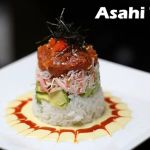 Asahi Teppenyaki & Sushi4.0 (830 reviews)
 Sushi 214.0 (245 reviews)
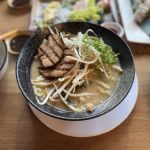 Mirakutei Sushi & Ramen Clackamas4.0 (198 reviews)
 The Complete Guide to Dining at Inaba Japanese Restaurant
 How to Say Romantic Restaurant in Japanese
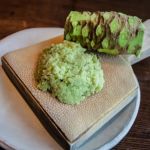 A Foodie’s Experience at Wasabi Japanese Restaurant | Japanese Restaurant
 Explore the Diverse Menu at Hatsuhana Japanese Restaurant – A Culinary Journey
 What to Say When You Leave a Japanese Restaurant – Etiquette and Phrases
 The History and Flavor Behind Mt. Fuji Japanese Restaurant