
- -What-Does-Japanese-Restaurant-Greeting-Mean-
- -Historical-Roots-And-Linguistic-Layers-
- -Regional-Variations-And-Contemporary-Twists-
- -Case-Study-First-Time-Diner-Experience-
- -Practising-Your-Own-Greeting-Without-Awkwardness-
- -Why-Visit-Japanese-Restaurant-
1. What Does the Japanese Restaurant Greeting Mean?
Type “what does japanese restaurant greeting” into any search engine and you will see millions of hits—most circling around the word 「いらっしゃいませ」(irasshaimase). Literally “come” in an honorific form, it functions less as a direct invitation and more as a warm acknowledgement: “We’re honoured that you chose to step into our space.” In Japanese hospitality, known as omotenashi, the greeting establishes an instant social contract: staff promise attentive service, guests promise respectful conduct.
1.1 Grammar Snapshot
1.1.1 Verb Stem + Honorific Suffix
Irassharu (to come/go/be present) takes the polite imperative -imase. The phrase therefore elevates the guest’s action of entering the premises.
1.1.2 Prosody and Volume
Notice the rise-fall intonation. Trained servers time it to the door chime, creating a rhythmic signal that new patrons have arrived.
2. Historical Roots and Linguistic Layers
The greeting’s origin traces back to Edo-period tea houses where geisha announced clients to the host. Over centuries, merchants adopted it, transforming a private welcome into a public chorus that now defines Japanese retail.
2.1 Merchant Guild Etiquette
Rice dealers in Osaka formalised call-and-response shout-outs to prove alertness to customers approaching stalls.
2.2 Post-War Department Stores
In the 1950s, booming department chains trained floor staff to broadcast irasshaimase every thirty seconds, embedding the phrase in popular culture.
2.2.1 Linguistic Economy
At just six mora (i-ra-ssha-i-ma-se), the word is quick yet melodic—perfect for busy environments where eye contact may be fleeting.
3. Regional Variations and Contemporary Twists
While irasshaimase reigns nationwide, chefs and proprietors adapt greetings to brand identity.
3.1 Kansai Charm: 「まいど!」(maido!)
In Osaka izakaya, staff often shout “Maido!” meaning “Thanks again!”—signalling a regular-friendly vibe.
3.2 Hokkaido Warmth: 「いらっしゃい!」(irasshai!)
The suffix drops, softening the tone in snow-belt cafés where intimacy trumps formality.
3.3 Modern Fusion Bars
Hip Tokyo ramen shops pair the traditional call with English add-ons like “Welcome, guys!”—bridging tourist expectations without losing Japanese cadence.
3.3.1 Sound Branding
Some chains hire voice coaches to fine-tune pitch so that simultaneous shouts blend into a single harmonic layer rather than chaotic noise.
4. Case Study: First-Time Diner Experience
Laura, a traveller from Sydney, entered a Kyoto sushi counter. The moment the noren curtain rustled, four chefs sang irasshaimase in perfect unison. Startled yet flattered, she instinctively bowed. That small exchange dissolved language barriers; throughout the meal, chefs explained each nigiri with gestures and smiles. Laura later wrote in her food blog: “One word turned strangers into hosts—it tasted better than the toro.”
5. Practising Your Own Greeting Without Awkwardness
5.1 Mirror Rehearsal
Break the word into mora: i-ra-ssha-i-ma-se. Clap each beat to internalise rhythm.
5.2 Volume Control
Aim for “conversation across the street” loud, not “stadium yell.” Staff project from the diaphragm; mimic that for authenticity.
5.3 Response Etiquette
Guests are not expected to answer. A nod or soft “konnichiwa” suffices. Over-responding can disrupt the restaurant’s cadence.
5.3.1 Practice Dialogue
Server: 「いらっしゃいませ!」
You: Slight bow, smile, optional “konnichiwa.”
Server: Guides you to seat.
6. Why Visit Japanese Restaurant
If you’d like to experience genuine irasshaimase in action—or learn advanced phrases like 「お待ちしておりました」(we’ve been expecting you)—Japanese Restaurant curates venues where staff demonstrate greeting etiquette live and even host short workshops after lunch service.
 Oyama Japanese And Thai4.0 (270 reviews)
 Wasabi Bistro4.0 (708 reviews)
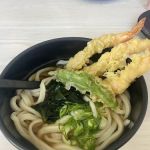 Cafe Yoto4.0 (86 reviews)
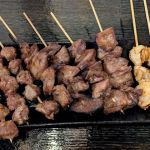 Ichiza 2 Hanare Japanese Resaurant - All Private Dining Room -4.0 (132 reviews)
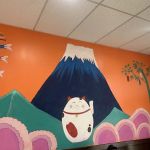 Sumo Hibachi4.0 (80 reviews)
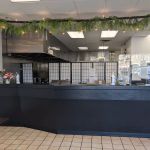 Epoch Asian Fusion4.0 (143 reviews)
 Why Locals Recommend Japanese Sushi Restaurants: Discover the Secrets Behind the Popularity
 A Foodie’s Experience at Bozu Japanese Restaurant
 How to Say "Run a Restaurant" in Japanese: A Complete Guide for Restaurant Owners
 Exploring the Menu at Taki Japanese Restaurant Dunwoody: A Culinary Journey
 Exploring the Menu at Japanese Restaurant in Atlanta
 Why Locals Recommend Tachibana Japanese Restaurant: A Taste of Authenticity