
- 1-Popular-Categories-of-Food-Served-at-Japanese-Restaurants
- 2-Signature-Dishes-and-Their-Ingredients
- 3-Regional-Variations-and-Modern-Influences
- 4-Cultural-Significance-of-Japanese-Cuisine
- 5-Exploring-Authentic-Japanese-Dining-Experiences
1. Popular Categories of Food Served at Japanese Restaurants
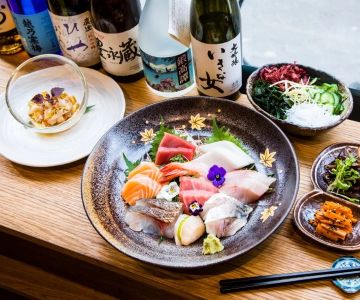
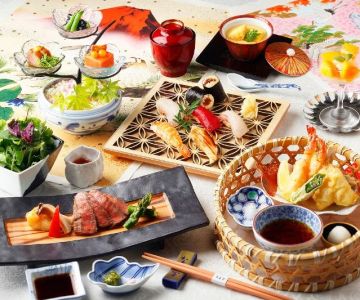
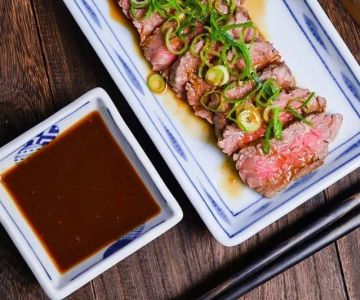
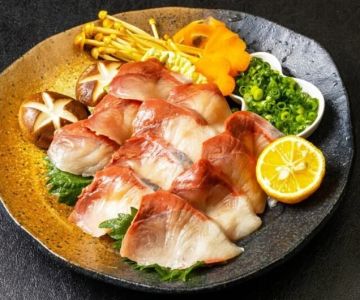
When wondering what food is served at a Japanese restaurant, you can expect a diverse range of dishes spanning sushi, sashimi, tempura, ramen, and more. These categories represent the cornerstone of Japanese culinary arts, each with its unique preparation methods and cultural importance.
Many Japanese restaurants offer appetizers like edamame and miso soup to start, followed by main dishes that showcase fresh seafood, rice, noodles, and seasonal vegetables. Desserts often include delicate options such as mochi or green tea ice cream.
2. Signature Dishes and Their Ingredients
Signature dishes at Japanese restaurants often include:
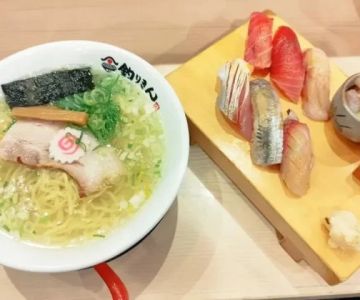
- Sushi and Sashimi: Fresh fish and seafood served raw or with vinegared rice.
- Tempura: Lightly battered and fried vegetables or seafood, prized for its crispy texture.
- Ramen: Noodle soup with rich broth, topped with ingredients like pork, egg, and seaweed.
- Yakitori: Grilled chicken skewers seasoned with tare sauce or salt.
- Donburi: Rice bowls topped with meat, fish, or vegetables.
The quality and freshness of ingredients, especially seafood, play a critical role in Japanese cuisine’s appeal.
3. Regional Variations and Modern Influences
Japanese cuisine varies by region, reflecting local ingredients and culinary traditions. For example, Osaka is famous for takoyaki and okonomiyaki, while Hokkaido is known for rich seafood dishes. Modern Japanese restaurants also incorporate fusion elements, blending Western flavors or contemporary presentation techniques.
This dynamic evolution allows diners to experience both traditional and innovative dishes, showcasing Japan’s culinary diversity.
4. Cultural Significance of Japanese Cuisine
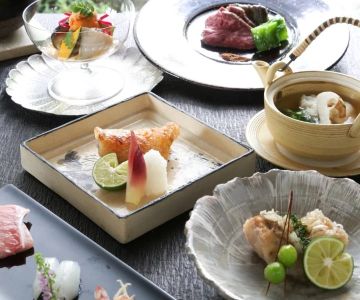
What food is served at a Japanese restaurant is deeply tied to cultural practices emphasizing seasonality, balance, and aesthetics. Presentation is as important as flavor, with dishes often designed to engage all senses. Sharing meals and rituals such as tea ceremonies further enrich the dining experience.
Understanding these cultural aspects enhances appreciation and connection with Japanese cuisine beyond mere consumption.
5. Exploring Authentic Japanese Dining Experiences
For those seeking genuine Japanese flavors and expertly prepared dishes, Japanese Restaurant offers curated selections of authentic restaurants and culinary products. Their platform guides food lovers to venues that maintain tradition while delivering exceptional taste and service.
Exploring what food is served at a Japanese restaurant through trusted recommendations ensures an unforgettable gastronomic journey that honors Japan’s rich culinary heritage.
 Kumo Japanese Steakhouse4.0 (1880 reviews)
 Osaka Sushi Restaurant4.0 (263 reviews)
 Sushi Sake Doral4.0 (1294 reviews)
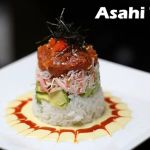 Asahi Teppenyaki & Sushi4.0 (830 reviews)
 Sushi 214.0 (245 reviews)
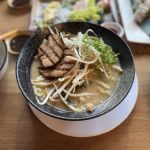 Mirakutei Sushi & Ramen Clackamas4.0 (198 reviews)
 The Complete Guide to Dining at Inaba Japanese Restaurant
 How to Say Romantic Restaurant in Japanese
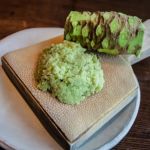 A Foodie’s Experience at Wasabi Japanese Restaurant | Japanese Restaurant
 Explore the Diverse Menu at Hatsuhana Japanese Restaurant – A Culinary Journey
 What to Say When You Leave a Japanese Restaurant – Etiquette and Phrases
 The History and Flavor Behind Mt. Fuji Japanese Restaurant