
- what-is-a-california-roll-at-a-japanese-restaurant
- how-the-california-roll-became-so-popular
- key-ingredients-and-flavor-profile
- cultural-significance-and-modern-variations
- real-dining-stories-about-the-california-roll
- where-to-try-authentic-california-rolls
1. What Is a California Roll at a Japanese Restaurant?
1.1 The Gateway Roll to Sushi Culture
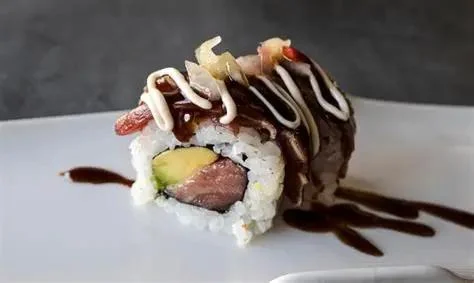
When someone asks, “What is a California roll at a Japanese restaurant?”, they’re usually curious about the one sushi roll even non-sushi eaters tend to love. A California roll is a type of maki sushi that typically includes imitation crab (or real crab in premium versions), avocado, and cucumber, all wrapped in seaweed and rice—often with sesame seeds or roe on the outside. It’s one of the most beginner-friendly and widely recognized rolls on the menu.
1.2 Why It’s Not Entirely Traditional
Despite being served at nearly every Japanese restaurant, the California roll is actually an American innovation. It’s often referred to as “American-style sushi,” designed to appeal to Western palates with familiar ingredients and no raw fish, which some diners may find intimidating.
2. How the California Roll Became So Popular
2.1 Origins in Los Angeles
The roll is widely believed to have been created in the 1960s or 1970s in Los Angeles by Japanese chefs adapting sushi to suit American tastes. Chef Ichiro Mashita from Tokyo Kaikan restaurant is often credited with swapping tuna for avocado and using crab to create a texture that resembled raw fish.
2.2 The Inside-Out Roll Revolution
Traditionally, seaweed (nori) wraps around the outside of a sushi roll. But for diners unfamiliar with its texture or appearance, chefs flipped the roll “inside out,” hiding the seaweed inside and putting the rice outside, sometimes rolling it in sesame seeds or tobiko (flying fish roe). This clever twist made sushi more visually and texturally appealing to American diners.
2.3 From Niche to Nationwide
Once a niche offering in coastal Japanese restaurants, the California roll quickly became a sushi staple across the U.S., then internationally. It helped pave the way for mainstream acceptance of sushi and inspired a wave of creative, non-traditional rolls.
3. Key Ingredients and Flavor Profile
3.1 Core Components
The classic California roll includes:- Imitation crab meat (surimi) or real crab- Ripe avocado slices- Fresh cucumber for crunch- Nori (seaweed sheet)- Sushi rice seasoned with vinegar, sugar, and salt- Sesame seeds or tobiko for coating
3.2 What It Tastes Like
Creamy avocado balances the sweet and slightly salty crab. Cucumber adds crisp freshness. The rice provides a chewy, slightly tangy base, while sesame or roe adds subtle texture and flavor. Together, it's a smooth and balanced roll with no overpowering fishiness—one reason it appeals to a broad audience.
3.3 Dip and Pairing Tips
Most diners enjoy it with a touch of soy sauce and a bit of wasabi. Pickled ginger cleanses the palate between bites. It also pairs well with light-bodied sake or Japanese green tea for a more authentic experience.
4. Cultural Significance and Modern Variations
4.1 Not “Traditional” But Still Meaningful
While purists may argue that the California roll isn’t “true” sushi, it’s undeniably important in globalizing Japanese food culture. It acts as an accessible gateway for many diners and often becomes the first step toward exploring more traditional raw options.
4.2 Variations and Fusion Styles
Modern versions might include spicy mayo, mango, tempura flakes, or even grilled eel on top. Some restaurants offer “deep-fried California rolls” for added crunch. These evolutions show how one humble roll became a canvas for creativity.
5. Real Dining Stories About the California Roll
5.1 First-Timer Favorite
Lena, a food blogger from Portland, shared: “I was terrified of raw fish, but my friend convinced me to try a California roll. I took one bite, and I was hooked. Now I’m eating sashimi weekly. That roll opened the sushi door for me.”
5.2 The Family-Approved Roll
For Carlos, a dad of three picky eaters, the California roll was a dinner-table breakthrough: “It’s the only sushi my kids will eat without fuss. Now we make sushi nights a tradition at home—starting with California rolls, of course.”
6. Where to Try Authentic California Rolls
6.1 Choosing the Right Japanese Restaurant
Not all California rolls are created equal. The freshness of ingredients, balance of rice to filling, and how tightly it’s rolled all affect taste. At Japanese Restaurant, chefs take pride in making California rolls that respect the original recipe while keeping it fresh and elevated.
6.2 Discover More Beyond the Roll
Once you’ve tried a truly well-crafted California roll, you may find yourself ready to explore other options—like spicy tuna, yellowtail scallion, or even nigiri. And if you’re still hesitant about raw fish, your favorite Japanese restaurant can guide you with friendly suggestions and quality ingredients.
 Ramen Tatsu-Ya4.0 (2425 reviews)
 Sukiya Ramen & Poke4.0 (130 reviews)
 TERI-GO Teriyaki3.0 (72 reviews)
 Kizuki Ramen & Izakaya4.0 (1993 reviews)
 TORA NYC4.0 (135 reviews)
 Hissho Sushi3.0 (252 reviews)
 How to Say "Restaurants" in Japanese – A Beginner's Guide
 Best Dishes You Should Order at Wasabi Japanese Restaurant
 Why Yellowtail Japanese Restaurant & Lounge Menu Is a Must-Try Spot for Japanese Food Lovers
 Signature Sushi and Ramen at Nagoya Japanese Restaurant
 Why Fujiyama Japanese Restaurant Is a Must-Try Spot for Japanese Food Lovers
 What Food Is Served at a Japanese Restaurant?