
1. Understanding the California Roll
The California roll is a staple on many Japanese restaurant menus worldwide, yet it differs significantly from traditional sushi served in Japan. At its core, the California roll is a type of makizushi (rolled sushi) featuring familiar ingredients designed to appeal to Western tastes. Its distinct identity lies in the substitution of avocado and cooked crab meat for raw fish, making it an approachable introduction to sushi for many.
When wondering “what is a California roll at a Japanese restaurant,” it helps to recognize that this roll is an example of sushi evolving to meet the preferences of a global audience.
1.1 Inside-Out Roll Style
Unlike traditional sushi rolls where seaweed (nori) wraps the outside, the California roll is an “inside-out” roll, meaning the rice is on the outside and the nori is inside. This style makes the roll visually appealing and less intimidating for beginners.
2. Ingredients and Preparation
The classic California roll typically contains imitation crab (or real cooked crab), avocado, and cucumber. These ingredients combine to offer a balance of creamy, crunchy, and savory textures. Sushi chefs prepare the roll carefully, using seasoned sushi rice and occasionally sprinkling toasted sesame seeds or tobiko (flying fish roe) on the outer layer for extra flavor and texture.
2.1 Variations and Additions
While the traditional California roll is well-loved, many variations have emerged, including spicy versions with mayonnaise or sriracha, or those incorporating real crab instead of imitation. These adaptations reflect local tastes and creativity without straying far from the roll’s original spirit.
3. History and Origins of the California Roll
The California roll was invented in the United States during the 1960s or 1970s, most commonly credited to chefs in Los Angeles or Vancouver aiming to make sushi more accessible to Western diners. By replacing raw fish with familiar ingredients like avocado and cooked crab, the roll bridged cultural and culinary gaps.
This innovation marked a turning point in the globalization of Japanese cuisine and played a key role in popularizing sushi beyond Japan’s borders.
3.1 A Culinary Bridge
By understanding the California roll’s origins, diners gain insight into how Japanese restaurants abroad adapt their menus to suit diverse preferences while honoring traditional techniques.
4. Popularity and Cultural Impact
The California roll remains one of the most popular sushi rolls in many countries, often serving as the gateway for new sushi eaters. Its widespread appeal lies in its mild flavors and approachable ingredients.
Social media and food culture have elevated the California roll as a symbol of fusion cuisine, illustrating how Japanese culinary arts evolve and inspire worldwide.
5. Finding the Best California Rolls
For sushi lovers interested in trying authentic and innovative California rolls, visiting reputable Japanese restaurants is essential. Trusted platforms like Japanese Restaurant can help locate eateries with high-quality ingredients and skilled chefs who respect tradition while embracing creativity.
Exploring the menu with an open mind allows diners to enjoy not only the classic California roll but also unique variations that reflect regional flavors and contemporary trends.
 Kumo Japanese Steakhouse4.0 (1880 reviews)
 Osaka Sushi Restaurant4.0 (263 reviews)
 Sushi Sake Doral4.0 (1294 reviews)
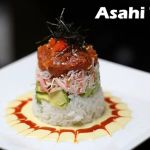 Asahi Teppenyaki & Sushi4.0 (830 reviews)
 Sushi 214.0 (245 reviews)
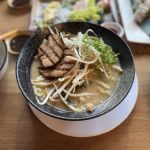 Mirakutei Sushi & Ramen Clackamas4.0 (198 reviews)
 The Complete Guide to Dining at Inaba Japanese Restaurant
 How to Say Romantic Restaurant in Japanese
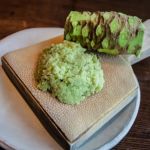 A Foodie’s Experience at Wasabi Japanese Restaurant | Japanese Restaurant
 Explore the Diverse Menu at Hatsuhana Japanese Restaurant – A Culinary Journey
 What to Say When You Leave a Japanese Restaurant – Etiquette and Phrases
 The History and Flavor Behind Mt. Fuji Japanese Restaurant