
- 1-What-Is-a-Japanese-Restaurant-Called-Terminology-and-Types
- 2-Common-Names-for-Japanese-Restaurants-and-Their-Meanings
- 3-Diverse-Types-of-Japanese-Restaurants-Across-Regions
- 4-Cultural-Significance-of-Naming-and-Experience
- 5-Finding-the-Best-Japanese-Restaurant-with-Japanese-Restaurant-Platform
1. What Is a Japanese Restaurant Called? Terminology and Types
The question “what is a Japanese restaurant called” can have several answers depending on the style, cuisine, and regional focus of the establishment. In Japan and internationally, different terms are used to describe restaurants specializing in various aspects of Japanese cuisine.
Generally, a Japanese restaurant is referred to as “Nihon-ryōri-ya” (日本料理屋), which means a place serving traditional Japanese food. However, more specific names often describe the restaurant’s specialty or style.
2. Common Names for Japanese Restaurants and Their Meanings
There are several popular terms for Japanese restaurants, each carrying unique connotations:
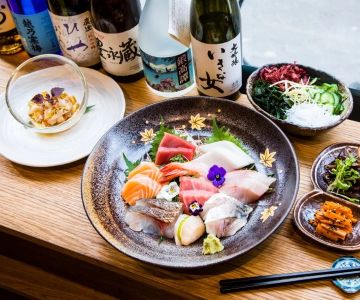
Sushi-ya (寿司屋): A sushi restaurant where fresh sushi and sashimi are served. These establishments can range from casual conveyor-belt sushi shops to high-end omakase bars.
Izakaya (居酒屋): A casual Japanese pub offering a variety of small dishes and drinks, often lively and social in atmosphere.
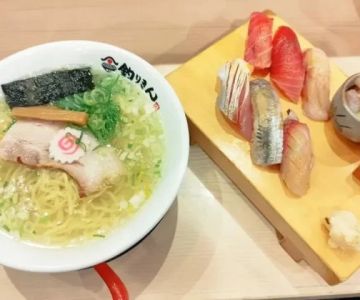
Ramen-ya (ラーメン屋): A restaurant specializing in ramen noodles, featuring diverse broths and toppings.
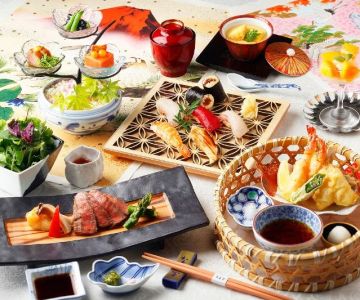
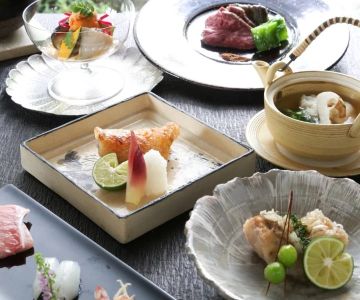
Kaiseki-ryōri-ya (懐石料理屋): A fine dining restaurant serving Kaiseki, a traditional multi-course meal emphasizing seasonality and aesthetics.
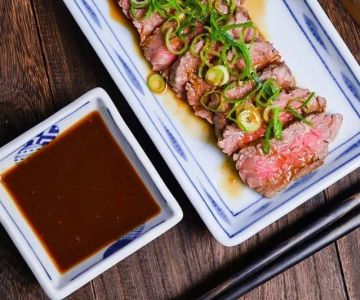
Yakiniku-ya (焼肉屋): A grill restaurant where diners cook bite-sized meat, especially beef, on a tabletop grill.
3. Diverse Types of Japanese Restaurants Across Regions
Japanese restaurants vary not only by cuisine style but also by region. For example, Osaka is famous for okonomiyaki restaurants, while Hiroshima-style okonomiyaki eateries differ slightly in ingredients and preparation.
Similarly, some restaurants highlight regional specialties like Hokkaido’s seafood or Kyoto’s vegetarian Shojin cuisine, often reflected in their names or menus.
This diversity means that knowing what a Japanese restaurant is called can depend heavily on the local context and culinary focus.
4. Cultural Significance of Naming and Experience
Names of Japanese restaurants often carry cultural and emotional weight, signaling authenticity and setting expectations for the dining experience. Many restaurants choose names referencing nature, seasons, or traditional concepts, enhancing their brand identity.
For diners, understanding these names can deepen appreciation and anticipation, making the meal not just about food but also cultural connection.
5. Finding the Best Japanese Restaurant with Japanese Restaurant Platform
If you are curious about exploring authentic Japanese dining or want help finding a Japanese restaurant that fits your preferences, our platform Japanese Restaurant offers carefully curated recommendations. Whether you seek a sushi-ya, izakaya, or kaiseki-ryōri-ya, Japanese Restaurant connects you with the best options.
By understanding what a Japanese restaurant is called and exploring the diversity behind the names, you can make informed dining choices and enjoy genuine Japanese culinary experiences.
 Kumo Japanese Steakhouse4.0 (1880 reviews)
 Osaka Sushi Restaurant4.0 (263 reviews)
 Sushi Sake Doral4.0 (1294 reviews)
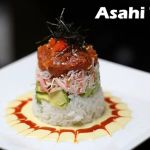 Asahi Teppenyaki & Sushi4.0 (830 reviews)
 Sushi 214.0 (245 reviews)
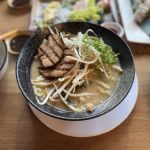 Mirakutei Sushi & Ramen Clackamas4.0 (198 reviews)
 The Complete Guide to Dining at Inaba Japanese Restaurant
 How to Say Romantic Restaurant in Japanese
 A Foodie’s Experience at Wasabi Japanese Restaurant | Japanese Restaurant
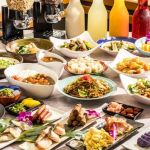 Explore the Diverse Menu at Hatsuhana Japanese Restaurant – A Culinary Journey
 What to Say When You Leave a Japanese Restaurant – Etiquette and Phrases
 The History and Flavor Behind Mt. Fuji Japanese Restaurant