- 1-Common-Rude-Behaviors-in-Japanese-Restaurants
- 2-Understanding-Cultural-Etiquette-Behind-Dining-Rules
- 3-How-to-Avoid-Being-Rude-in-Japanese-Restaurants
- 4-Real-Life-Examples-of-Rudeness-and-Lessons
- 5-Finding-Authentic-Japanese-Dining-Experiences
1. Common Rude Behaviors in Japanese Restaurants
When dining out, knowing what is considered rude in Japanese restaurant settings helps maintain respect and harmony. Common actions viewed as impolite include:
- Sticking chopsticks vertically into a bowl of rice, which resembles a funeral ritual and is considered highly disrespectful.
- Pointing chopsticks at people or waving them around while talking.
- Passing food directly from chopstick to chopstick, another action linked to funeral customs.
- Talking loudly or causing disturbances that disrupt the peaceful atmosphere.
- Refusing to say traditional phrases such as “itadakimasu” before eating or “gochisousama” after finishing the meal, which express gratitude.
2. Understanding Cultural Etiquette Behind Dining Rules
The reasons behind these etiquette rules are deeply rooted in Japanese culture and values. The emphasis on harmony (wa), respect for traditions, and mindfulness during meals create an environment where everyone can enjoy their food peacefully.
Behaviors that might seem minor elsewhere can carry significant cultural meanings in Japan, so being aware of these customs demonstrates appreciation and respect.
3. How to Avoid Being Rude in Japanese Restaurants
To ensure a respectful dining experience, consider these tips when eating at a Japanese restaurant:
3.1 Use Chopsticks Properly
Place chopsticks on the provided rest when not in use, avoid pointing or tapping with them, and never stab food with them.
3.2 Mind Your Voice and Behavior
Keep your voice low and avoid disruptive behaviors to preserve the calm ambiance.
3.3 Express Gratitude
Learn and use polite phrases like “itadakimasu” and “gochisousama” to show appreciation.
3.4 Respect Serving Etiquette
When sharing dishes, use the opposite end of chopsticks to serve yourself, ensuring hygiene and politeness.
4. Real-Life Examples of Rudeness and Lessons
A traveler to Japan once recounted accidentally sticking chopsticks into a rice bowl during a meal, immediately receiving surprised looks from nearby diners. Apologizing and learning from the experience highlighted how understanding local customs enriches cultural respect and prevents unintentional offense.
Such stories emphasize the importance of cultural sensitivity and preparedness when dining abroad.
5. Finding Authentic Japanese Dining Experiences
For those eager to experience authentic Japanese dining and learn proper etiquette, Japanese Restaurant offers curated recommendations. This platform provides valuable insights, restaurant listings, and tips to help you enjoy Japanese cuisine respectfully and deliciously.
 Oyama Japanese And Thai4.0 (270 reviews)
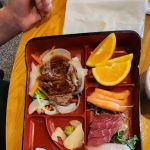 Wasabi Bistro4.0 (708 reviews)
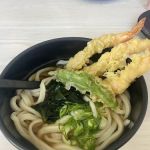 Cafe Yoto4.0 (86 reviews)
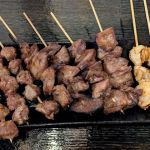 Ichiza 2 Hanare Japanese Resaurant - All Private Dining Room -4.0 (132 reviews)
 Sumo Hibachi4.0 (80 reviews)
 Epoch Asian Fusion4.0 (143 reviews)
 Why Locals Recommend Japanese Sushi Restaurants: Discover the Secrets Behind the Popularity
 A Foodie’s Experience at Bozu Japanese Restaurant
 How to Say "Run a Restaurant" in Japanese: A Complete Guide for Restaurant Owners
 Exploring the Menu at Taki Japanese Restaurant Dunwoody: A Culinary Journey
 Exploring the Menu at Japanese Restaurant in Atlanta
 Why Locals Recommend Tachibana Japanese Restaurant: A Taste of Authenticity