1. Legal Restrictions in Japanese Restaurants
Understanding what is illegal in Japanese restaurants requires recognizing both legal regulations and cultural expectations. On the legal side, Japanese restaurants must comply with food safety laws, licensing requirements, and health codes. For example, serving endangered species or unlicensed alcohol is strictly prohibited. Moreover, smoking regulations and hygiene standards are enforced rigorously to protect customers.
Additionally, laws about waste disposal and noise control affect restaurant operations. Violations can lead to fines or closures, ensuring that Japanese restaurants maintain a safe and pleasant environment.
1.1 Food Safety and Ingredient Restrictions
Japan enforces strict controls on food sourcing. Serving raw fish that does not meet safety standards or using illegal additives is illegal and can cause serious penalties.
2. Cultural Etiquette and Prohibited Behaviors
Besides legal matters, many actions considered rude or inappropriate are effectively "illegal" in the social sense within Japanese dining culture. For instance, loud talking, using a phone at the table, or improper use of chopsticks (such as sticking them upright in rice) are taboo.
Another important etiquette rule involves payment: Japanese culture discourages tipping, and some restaurants consider offering tips offensive. Ignoring these social norms can lead to uncomfortable situations.
2.1 Behavior That May Offend
Eating while walking, taking photos without permission, or wasting food are discouraged. Such behaviors may not be legally illegal but are strongly frowned upon in Japanese restaurants.
3. Case Studies of Violations in Japanese Dining
A well-publicized incident involved a tourist who unknowingly broke etiquette by blowing their nose at the table in a Tokyo restaurant, causing distress among other diners. While not illegal by law, this breach highlighted how cultural "illegalities" can affect the dining experience.
Another example is the enforcement of smoking bans in certain restaurants, where violations have led to fines and public reprimands, demonstrating Japan's commitment to legal compliance in dining establishments.
4. How to Enjoy Japanese Restaurants Legally and Respectfully
To avoid unintentionally breaking rules, it’s helpful to learn about both legal regulations and cultural etiquette before visiting Japanese restaurants. Respecting these guidelines enriches your dining experience and shows appreciation for Japanese culture.
Engaging with staff politely, following dress codes if any, and observing local customs like removing shoes in certain traditional settings can make a positive impression.
4.1 Practical Tips
Ask questions when unsure, avoid prohibited behaviors, and seek out restaurants that provide clear guidance to foreign visitors. Platforms like Japanese Restaurant can offer valuable information to help you navigate these cultural and legal nuances confidently.
5. Resources for Authentic Japanese Dining Experience
For those eager to explore Japanese cuisine responsibly, Japanese Restaurant is a trusted resource providing insights, restaurant recommendations, and cultural tips. This helps diners enjoy authentic meals while respecting the rules that make Japanese dining unique and special.
 Kumo Japanese Steakhouse4.0 (1880 reviews)
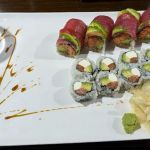 Osaka Sushi Restaurant4.0 (263 reviews)
 Sushi Sake Doral4.0 (1294 reviews)
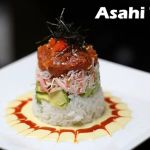 Asahi Teppenyaki & Sushi4.0 (830 reviews)
 Sushi 214.0 (245 reviews)
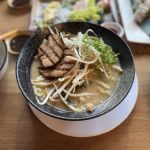 Mirakutei Sushi & Ramen Clackamas4.0 (198 reviews)
 The Complete Guide to Dining at Inaba Japanese Restaurant
 How to Say Romantic Restaurant in Japanese
 A Foodie’s Experience at Wasabi Japanese Restaurant | Japanese Restaurant
 Explore the Diverse Menu at Hatsuhana Japanese Restaurant – A Culinary Journey
 What to Say When You Leave a Japanese Restaurant – Etiquette and Phrases
 The History and Flavor Behind Mt. Fuji Japanese Restaurant