
- 1-Defining-a-Japanese-Restaurant
- 2-Key-Elements-of-Japanese-Restaurants
- 3-Cultural-Significance-of-Japanese-Dining
- 4-Types-of-Japanese-Restaurants-and-Cuisines
- 5-Enhancing-Your-Experience-at-a-Japanese-Restaurant
1. Defining a Japanese Restaurant
So, what is Japanese restaurant? At its core, a Japanese restaurant is an establishment that serves traditional Japanese cuisine, often emphasizing freshness, seasonality, and balance. Unlike typical restaurants, Japanese restaurants focus on not only the food but also the dining experience, including ambiance, presentation, and etiquette.
The essence of a Japanese restaurant lies in its ability to reflect Japan’s culinary heritage, offering dishes ranging from sushi and sashimi to ramen, tempura, and more. The authenticity of the ingredients and techniques used is what often distinguishes a genuine Japanese restaurant from others serving fusion or casual Asian fare.
1.1 The Importance of Freshness and Seasonality
Fresh ingredients, especially seafood, play a vital role in Japanese cuisine. Many Japanese restaurants in coastal regions source their fish daily to ensure maximum quality. Seasonal changes influence menu offerings, which helps diners experience traditional tastes aligned with nature’s rhythms.
1.2 The Role of Presentation
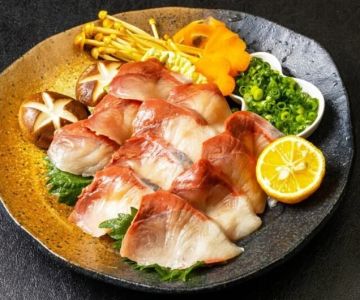
Japanese restaurants pay special attention to the aesthetics of food presentation. Dishes are often served with artistic arrangements and elegant tableware, reflecting the Japanese concept of “wabi-sabi,” which values simplicity and subtle beauty.
2. Key Elements of Japanese Restaurants
Apart from food, Japanese restaurants typically incorporate cultural elements such as tatami seating, shoji screens, and minimalistic decor to create a serene atmosphere. Many establishments emphasize hospitality, known as “omotenashi,” where the staff provides attentive and respectful service.
For example, guests might be greeted with a cheerful “Irasshaimase” upon entering, setting a welcoming tone. The careful choreography of service and dining etiquette adds layers of meaning to the meal beyond just taste.
2.1 The Dining Experience
Eating at a Japanese restaurant often involves rituals like saying “Itadakimasu” before the meal and “Gochisousama” afterward, showing gratitude and respect. Understanding these customs enriches the experience and connects diners with Japanese culture.
2.2 Authentic Ingredients and Preparation
Japanese restaurants source specialty items such as sushi-grade fish, miso, and matcha powder to maintain authenticity. Skilled chefs often undergo rigorous training to master precise knife skills and cooking techniques essential for traditional dishes.
3. Cultural Significance of Japanese Dining
Japanese restaurants serve as cultural ambassadors, offering a window into Japan’s history, values, and social practices. Sharing meals in these settings fosters connection and mindfulness, reflecting the communal spirit in Japanese society.
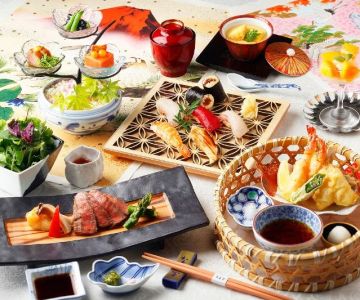
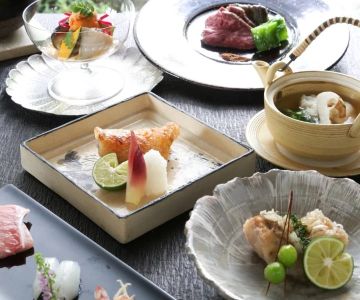
One notable example is the tradition of Kaiseki dining, a multi-course meal that embodies harmony, seasonality, and art. Experiencing such a meal provides insight into the meticulous attention to detail and reverence for food ingrained in Japanese culture.
3.1 Hospitality and Respect
Omotenashi is central to Japanese dining and distinguishes the restaurant experience. Staff are trained to anticipate needs and provide service that feels sincere and thoughtful, enhancing trust and satisfaction.
3.2 Storytelling Through Food
Many Japanese restaurants use food to tell stories — of regional heritage, family recipes, or the journey of ingredients. This narrative aspect makes dining memorable and emotionally engaging.
4. Types of Japanese Restaurants and Cuisines
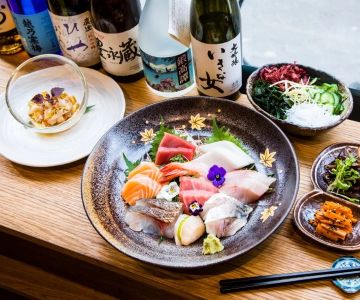
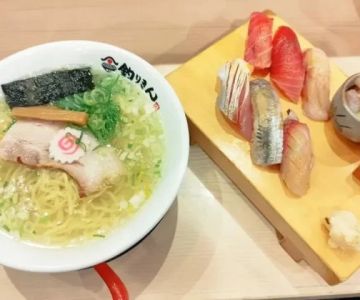
Japanese cuisine is diverse, and so are its restaurants. From sushi bars and ramen shops to izakayas (casual pubs) and kaiseki establishments, each offers a unique atmosphere and menu focus.
For instance, sushi restaurants highlight fresh raw fish, often served at a counter with chefs preparing food in front of diners. Izakayas provide a lively environment for small plates and drinks, emphasizing social interaction.
4.1 Regional Specialties
Japanese restaurants may specialize in regional dishes, such as Osaka’s takoyaki or Hokkaido’s seafood. This regional diversity enriches the dining landscape and invites exploration.
4.2 Modern and Fusion Variations
Contemporary Japanese restaurants sometimes blend traditional flavors with international influences, creating innovative dishes that appeal to global palates.
5. Enhancing Your Experience at a Japanese Restaurant
To fully appreciate what a Japanese restaurant offers, engage with the culture and etiquette. Learning a few Japanese phrases, understanding menu items, and respecting dining customs enhances enjoyment.
If you’re seeking recommendations, the website Japanese Restaurant provides curated lists of authentic establishments, products, and services that help you discover the best Japanese dining experiences near you.
Moreover, trying seasonal dishes or attending special events such as sake tastings can deepen your connection to the cuisine and culture.
5.1 Embrace the Rituals
Participating in customs like using chopsticks properly and savoring each course mindfully transforms a meal into a cultural experience.
5.2 Explore Beyond Sushi
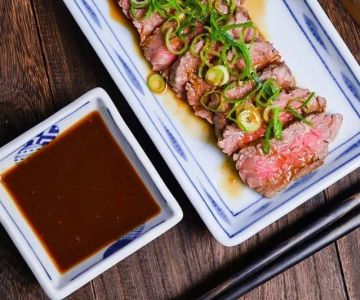
Japanese cuisine offers a wide variety of flavors and textures. Venturing beyond sushi to dishes like udon, tempura, or yakitori expands your palate and appreciation.
 Kumo Japanese Steakhouse4.0 (1880 reviews)
 Osaka Sushi Restaurant4.0 (263 reviews)
 Sushi Sake Doral4.0 (1294 reviews)
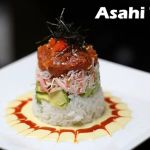 Asahi Teppenyaki & Sushi4.0 (830 reviews)
 Sushi 214.0 (245 reviews)
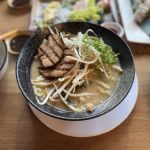 Mirakutei Sushi & Ramen Clackamas4.0 (198 reviews)
 The Complete Guide to Dining at Inaba Japanese Restaurant
 How to Say Romantic Restaurant in Japanese
 A Foodie’s Experience at Wasabi Japanese Restaurant | Japanese Restaurant
 Explore the Diverse Menu at Hatsuhana Japanese Restaurant – A Culinary Journey
 What to Say When You Leave a Japanese Restaurant – Etiquette and Phrases
 The History and Flavor Behind Mt. Fuji Japanese Restaurant