
- 1-Definition-and-Significance-of-Pork-Belly-in-Japanese-Cuisine
- 2-Popular-Japanese-Pork-Belly-Dishes-and-Preparations
- 3-Cultural-and-Culinary-Insights-into-Pork-Belly-Dining-Experience
- 4-Real-Life-Examples-of-Enjoying-Pork-Belly-in-Japan
- 5-How-Japanese-Restaurant-Can-Enhance-Your-Pork-Belly-Experience
1. Definition and Significance of Pork Belly in Japanese Cuisine
Pork belly is a richly marbled cut of meat that holds a special place in Japanese cuisine. When asking “what is pork belly at a Japanese restaurant,” it refers to the flavorful, fatty portion of the pig that is prized for its tender texture and ability to absorb seasonings beautifully. This cut is versatile and used in a variety of traditional Japanese dishes, highlighting both simplicity and depth of flavor.
In Japan, pork belly is appreciated not just for its taste but for its cultural value as part of hearty, comforting meals. It often symbolizes warmth and home-style cooking, providing a rich balance to the subtle and delicate aspects of Japanese cuisine.
1.1 The Anatomy of Pork Belly
Pork belly comes from the underside of the pig, containing layers of fat and meat. This layering creates a juicy and tender bite once cooked properly, making it ideal for slow-cooked dishes or grilled preparations common in Japanese restaurants.
1.2 Its Role in Japanese Food Culture
While pork belly is a universal ingredient, its incorporation into Japanese food reflects regional tastes and traditions, especially in Okinawa and Kyushu, where pork plays a significant role in daily meals.
2. Popular Japanese Pork Belly Dishes and Preparations
There are several beloved pork belly dishes you will commonly find when dining at a Japanese restaurant.
2.1 Buta no Kakuni: The Classic Braised Pork Belly
Buta no kakuni is arguably the most famous Japanese pork belly dish. It features thick cubes of pork belly slowly simmered in a mixture of soy sauce, sake, mirin, and sugar until meltingly tender. The slow cooking renders the fat deliciously soft, creating a savory-sweet balance that is deeply satisfying. This dish is often served with steamed rice and mustard, showcasing a perfect harmony of flavors.
2.2 Yakibuta: Grilled or Roasted Pork Belly
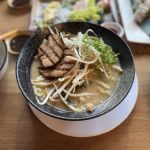
Another popular variation is yakibuta, where pork belly is grilled or roasted to develop a crispy exterior while maintaining juicy tenderness inside. This preparation is common in ramen shops as a topping, adding richness and depth to the broth.
2.3 Tonkatsu and Other Pork Belly Variants
While tonkatsu typically uses pork loin, some restaurants serve a pork belly version for those who prefer a fattier, more flavorful cut. The pork belly is breaded and deep-fried to a crisp, contrasting the softness inside.
3. Cultural and Culinary Insights into Pork Belly Dining Experience
Enjoying pork belly at a Japanese restaurant is not just about taste—it’s a cultural experience. The preparation methods and presentation reflect the care and tradition of Japanese culinary arts.
3.1 The Importance of Balance
Japanese chefs emphasize balancing pork belly’s rich fat content with delicate seasonings, often pairing it with acidic or bitter elements like pickled vegetables or mustard to enhance flavor without overwhelming the palate.
3.2 Presentation and Portion
Portion sizes are typically moderate, allowing diners to savor the rich meat alongside lighter dishes, following the Japanese philosophy of harmony in meals.
4. Real-Life Examples of Enjoying Pork Belly in Japan
A food enthusiast once shared a memorable experience dining at a small, family-run restaurant in Fukuoka, famous for its pork belly ramen. The dish featured thick slices of tender yakibuta atop a rich broth, accompanied by handmade noodles. The owner explained how the pork belly is marinated and slow-cooked overnight to develop its signature flavor. This story highlights the dedication behind authentic pork belly dishes.
Another popular case involves Okinawa’s rafute, a variant of buta no kakuni that is cooked with local brown sugar and awamori (Okinawan liquor), giving the pork belly a unique sweet and fragrant profile, illustrating regional diversity.
5. How Japanese Restaurant Can Enhance Your Pork Belly Experience
If you want to explore pork belly dishes at authentic Japanese restaurants, our platform, Japanese Restaurant, offers comprehensive recommendations and reviews. Whether you seek the best buta no kakuni or innovative pork belly creations, you can find trusted venues that emphasize quality and tradition.
We also provide helpful guides on ordering and pairing pork belly dishes with sake or side dishes, ensuring a rich and enjoyable experience. Discover how to savor pork belly at a Japanese restaurant like a local with our curated resources.
 Kumo Japanese Steakhouse4.0 (1880 reviews)
 Osaka Sushi Restaurant4.0 (263 reviews)
 Sushi Sake Doral4.0 (1294 reviews)
 Asahi Teppenyaki & Sushi4.0 (830 reviews)
 Sushi 214.0 (245 reviews)
 Mirakutei Sushi & Ramen Clackamas4.0 (198 reviews)
 The Complete Guide to Dining at Inaba Japanese Restaurant
 How to Say Romantic Restaurant in Japanese
 A Foodie’s Experience at Wasabi Japanese Restaurant | Japanese Restaurant
 Explore the Diverse Menu at Hatsuhana Japanese Restaurant – A Culinary Journey
 What to Say When You Leave a Japanese Restaurant – Etiquette and Phrases
 The History and Flavor Behind Mt. Fuji Japanese Restaurant