- 1-Common-Rude-Behaviors-in-Japanese-Restaurants
- 2-Cultural-Reasons-Behind-Japanese-Dining-Etiquette
- 3-Real-Life-Examples-and-Stories-of-Rude-Behaviors
- 4-Tips-for-Respecting-Japanese-Restaurant-Culture
1. Common Rude Behaviors in Japanese Restaurants
Understanding what is rude in Japanese restaurant culture is crucial for anyone wanting to enjoy a respectful and authentic dining experience. Japanese dining etiquette places great emphasis on manners, respect, and harmony. Certain actions that might seem normal elsewhere can be considered disrespectful in Japan.
1.1 Speaking Loudly or Causing a Scene
Japanese restaurants are typically calm and quiet places. Speaking loudly, laughing excessively, or causing disturbances can be viewed as rude and disruptive to other diners. Maintaining a polite and composed demeanor shows respect for both the staff and fellow customers.
1.2 Improper Use of Chopsticks
Chopstick etiquette is very important in Japan. Actions such as sticking chopsticks upright into a bowl of rice, pointing them at others, or passing food chopstick-to-chopstick are considered highly disrespectful, as they resemble funeral rituals.
1.3 Not Saying Thank You or Showing Appreciation
Failing to express gratitude using phrases like “arigatou gozaimasu” to the staff can be perceived as rude. Politeness in speech and gestures, such as bowing, are important parts of Japanese hospitality culture.
2. Cultural Reasons Behind Japanese Dining Etiquette
Many behaviors considered rude stem from deeper cultural values such as respect, harmony (wa), and mindfulness. Japanese dining is not just about food but about preserving social order and mutual consideration.
2.1 Harmony and Respect for Others
In Japan, the collective experience matters more than individual expression during meals. Actions that disturb harmony, like rushing through a meal or speaking over others, break this cultural principle.
2.2 Symbolism in Dining Practices
Certain dining actions carry symbolic meanings tied to traditions and beliefs. For example, improper chopstick use links to funeral rites, making it a sensitive matter to locals.
3. Real-Life Examples and Stories of Rude Behaviors
One traveler shared an experience where a group at a Japanese restaurant loudly debated their order, startling other patrons and drawing quiet disapproving looks from staff. Another common story involves visitors inadvertently placing chopsticks incorrectly, causing embarrassment but also learning moments about Japanese culture.
3.1 Lessons from Mistakes
These stories highlight that even unintentional rudeness can be a valuable cultural lesson. Japanese Restaurant encourages respectful curiosity, as locals generally appreciate sincere efforts to understand their customs.
4. Tips for Respecting Japanese Restaurant Culture
To avoid offending hosts and enjoy your meal fully, consider these tips on what is rude in Japanese restaurant behavior:
4.1 Observe and Follow Local Customs
Watch how locals behave, and follow their lead in manners and interactions.
4.2 Use Polite Language and Gestures
Learn simple phrases like “sumimasen” (excuse me) and “arigatou gozaimasu” (thank you very much) to show respect.
4.3 Handle Chopsticks Properly
Avoid actions like sticking chopsticks vertically in rice or passing food directly from chopstick to chopstick.
4.4 Maintain a Calm and Quiet Demeanor
Keep your voice low and avoid disruptive behavior.
For those interested in learning more about proper etiquette and discovering respectful dining experiences, Japanese Restaurant offers excellent recommendations and resources tailored to authentic Japanese culture.
 Kumo Japanese Steakhouse4.0 (1880 reviews)
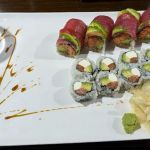 Osaka Sushi Restaurant4.0 (263 reviews)
 Sushi Sake Doral4.0 (1294 reviews)
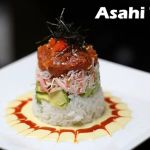 Asahi Teppenyaki & Sushi4.0 (830 reviews)
 Sushi 214.0 (245 reviews)
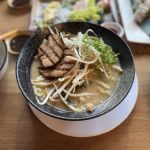 Mirakutei Sushi & Ramen Clackamas4.0 (198 reviews)
 The Complete Guide to Dining at Inaba Japanese Restaurant
 How to Say Romantic Restaurant in Japanese
 A Foodie’s Experience at Wasabi Japanese Restaurant | Japanese Restaurant
 Explore the Diverse Menu at Hatsuhana Japanese Restaurant – A Culinary Journey
 What to Say When You Leave a Japanese Restaurant – Etiquette and Phrases
 The History and Flavor Behind Mt. Fuji Japanese Restaurant