
- 1-The-Title-of-the-Cook-in-Japanese-Restaurants
- 2-Different-Chef-Roles-in-a-Japanese-Kitchen
- 3-Cultural-Significance-of-the-Japanese-Chef
- 4-Real-Stories-of-Japanese-Chefs-and-Their-Crafts
- 5-How-Knowing-Chef-Roles-Enhances-Your-Dining-Experience
1. The Title of the Cook in Japanese Restaurants
If you’ve ever wondered what is the cook of a Japanese restaurant called, the answer varies depending on their specialization. Generally, the main cook in a Japanese restaurant is called an Itamae (板前), which literally means “in front of the board,” referring to the cutting board where sushi and other dishes are prepared.
The Itamae is typically the head chef responsible for the preparation and presentation of dishes, especially sushi. This role requires years of rigorous training and mastery of techniques, reflecting the high standards of Japanese cuisine.
1.1 Other Common Titles
Besides Itamae, there are other specialized titles such as Sushiya (寿司屋) for sushi chefs, and Ramen-ya for chefs specializing in ramen. Kitchen assistants or junior cooks may be called Kamiita (見習い), meaning apprentice.
2. Different Chef Roles in a Japanese Kitchen
A Japanese restaurant kitchen often features a hierarchy of chefs, each with defined responsibilities. The Itamae leads the kitchen, while other cooks may focus on tempura, grilling, or noodle preparation. This division ensures expertise and quality in every dish served.
For example, the Tempura-chef specializes in frying techniques, and the Yakitori-chef masters skewered grilled items. This teamwork exemplifies Japanese culinary discipline and dedication.
2.1 Training and Apprenticeship
Many chefs undergo years of apprenticeship, starting with tasks such as cleaning and ingredient prep before advancing to complex cooking skills. This traditional training reflects respect for the craft and ensures culinary excellence.
3. Cultural Significance of the Japanese Chef
The Itamae is more than a cook; they are an artist and cultural ambassador. The precision, aesthetics, and respect for ingredients demonstrate deep cultural values. The role embodies patience, discipline, and pride—qualities that resonate throughout Japanese dining culture.
Dining at a Japanese restaurant is often about experiencing the chef’s craftsmanship, making the knowledge of chef titles and roles an enriching part of the meal.
3.1 The Chef-Guest Relationship
In many traditional sushi restaurants, guests sit at the counter directly interacting with the Itamae, witnessing their skill live. This interaction enhances trust and appreciation for the food.
4. Real Stories of Japanese Chefs and Their Crafts
Take the story of Chef Hiroshi, an Itamae who trained for over a decade in Tokyo before opening a Japanese restaurant overseas. His dedication to authenticity and perfection has earned his restaurant rave reviews and loyal patrons.
Similarly, Chef Aiko, specializing in kaiseki cuisine, emphasizes seasonality and balance, showcasing how chefs adapt tradition to modern tastes while honoring their roots.
4.1 Lessons from Master Chefs
These stories reveal the passion and precision behind the title “Itamae,” enriching our understanding of what it truly means to be a cook in a Japanese restaurant.
5. How Knowing Chef Roles Enhances Your Dining Experience
Understanding what the cook of a Japanese restaurant is called and their roles allows diners to appreciate the depth of skill and tradition involved in each dish. This knowledge can transform a meal into a cultural journey.
When dining, recognizing the effort behind the scenes deepens your respect and enjoyment of authentic Japanese cuisine.
5.1 Explore More About Japanese Culinary Arts
For those eager to explore authentic Japanese dining and learn more about chef roles, Japanese Restaurant offers a wealth of information and curated recommendations to guide your culinary adventures.
 Kumo Japanese Steakhouse4.0 (1880 reviews)
 Osaka Sushi Restaurant4.0 (263 reviews)
 Sushi Sake Doral4.0 (1294 reviews)
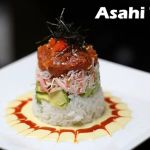 Asahi Teppenyaki & Sushi4.0 (830 reviews)
 Sushi 214.0 (245 reviews)
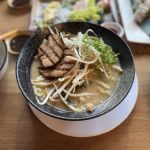 Mirakutei Sushi & Ramen Clackamas4.0 (198 reviews)
 The Complete Guide to Dining at Inaba Japanese Restaurant
 How to Say Romantic Restaurant in Japanese
 A Foodie’s Experience at Wasabi Japanese Restaurant | Japanese Restaurant
 Explore the Diverse Menu at Hatsuhana Japanese Restaurant – A Culinary Journey
 What to Say When You Leave a Japanese Restaurant – Etiquette and Phrases
 The History and Flavor Behind Mt. Fuji Japanese Restaurant