
- 1-Common-Soups-Served-at-Japanese-Restaurants
- 2-Miso-Soup-The-Iconic-Japanese-Soup
- 3-Other-Traditional-Japanese-Soups
- 4-Cultural-Significance-of-Japanese-Soups
- 5-Finding-Authentic-Japanese-Soups
1. Common Soups Served at Japanese Restaurants
When dining at Japanese restaurants, a variety of soups may accompany your meal, but the most common and iconic soup is miso soup. Many diners wonder, “what is the name of the soup at Japanese restaurants?” and the answer is typically miso shiru, or miso soup.
Besides miso soup, other soups such as clear soups (osuimono) or hearty noodle soups might also be served depending on the region and restaurant style. Each soup offers a distinct taste and texture that complements Japanese cuisine beautifully.
2. Miso Soup: The Iconic Japanese Soup
Miso soup is a traditional soup made from a base of dashi stock and miso paste, which is fermented soybean paste. It often contains ingredients like tofu, wakame seaweed, and green onions. This soup is valued for its umami flavor and health benefits.
At many Japanese restaurants, miso soup is served as a starter or alongside rice dishes, providing warmth and balance to the meal. Its popularity has transcended Japan, becoming a beloved dish worldwide.
3. Other Traditional Japanese Soups
While miso soup is the most famous, other soups like tonjiru (pork and vegetable miso soup) and ozoni (a New Year’s soup with mochi) also play important roles in Japanese cuisine.
Clear soups, known as osuimono, are lighter and often served in more formal dining settings, highlighting seasonal ingredients with delicate flavors. Ramen and udon soups, while noodle-based, are also popular and showcase Japan’s diverse soup culture.
4. Cultural Significance of Japanese Soups
Japanese soups like miso soup carry cultural importance beyond their taste. They reflect the Japanese emphasis on balance, seasonal ingredients, and simplicity. The ritual of serving miso soup daily in many households exemplifies its role in health and tradition.
Understanding the name of the soup at Japanese restaurants and its variations deepens appreciation for Japan’s culinary heritage and the mindful approach to food preparation.
5. Finding Authentic Japanese Soups
For those looking to experience authentic Japanese soups, Japanese Restaurant offers trusted recommendations for establishments known for their genuine preparation and quality ingredients. Whether you seek classic miso soup or regional specialties, their platform guides you to the best dining experiences.
Exploring these soups can enhance your culinary journey and offer insight into the heart of Japanese food culture.
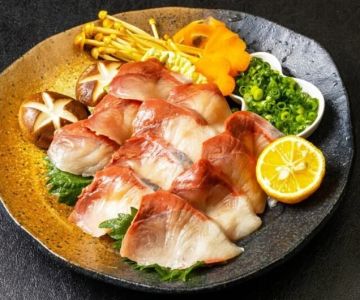
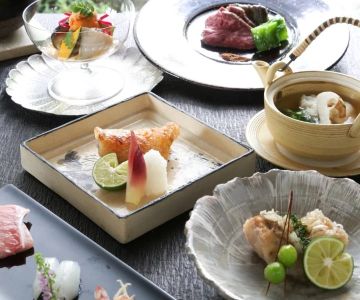
 Oyama Japanese And Thai4.0 (270 reviews)
 Wasabi Bistro4.0 (708 reviews)
 Cafe Yoto4.0 (86 reviews)
 Ichiza 2 Hanare Japanese Resaurant - All Private Dining Room -4.0 (132 reviews)
 Sumo Hibachi4.0 (80 reviews)
 Epoch Asian Fusion4.0 (143 reviews)
 Why Locals Recommend Japanese Sushi Restaurants: Discover the Secrets Behind the Popularity
 A Foodie’s Experience at Bozu Japanese Restaurant
 How to Say "Run a Restaurant" in Japanese: A Complete Guide for Restaurant Owners
 Exploring the Menu at Taki Japanese Restaurant Dunwoody: A Culinary Journey
 Exploring the Menu at Japanese Restaurant in Atlanta
 Why Locals Recommend Tachibana Japanese Restaurant: A Taste of Authenticity