
- 1-Popular-Types-of-Salad-Dressing-in-Japanese-Restaurants
- 2-Ingredients-and-Flavor-Profile-of-japanese-salad-dressing
- 3-How-to-Make-Authentic-Japanese-Salad-Dressing
- 4-Cultural-Significance-and-Usage-of-Japanese-Salad-Dressing
- 5-Tips-for-Enjoying-Japanese-Salad-Dressings
1. Popular Types of Salad Dressing in Japanese Restaurants
When asking what is the salad dressing used in Japanese restaurants, the most iconic answer is the sesame-based dressing known as “goma dressing.” However, several varieties are popular across Japan’s dining establishments. These include:
- Goma Dressing: A creamy sesame seed dressing with a rich nutty flavor.
- Wafu Dressing: A soy sauce and vinegar-based dressing with a light, tangy taste.
- Shiso Dressing: Incorporating fresh shiso leaves for a unique herbaceous note.
- Wasabi Dressing: Offering a spicy kick with wasabi blended into a creamy base.
2. Ingredients and Flavor Profile of Japanese Salad Dressing
Japanese salad dressings often balance savory, sweet, and tangy elements to complement fresh vegetables. Common ingredients include soy sauce, rice vinegar, sesame oil, miso, sugar, and sometimes mayonnaise. The goal is to enhance the salad’s natural flavors without overwhelming them.
For example, goma dressing typically blends toasted sesame seeds, soy sauce, sugar, and mayonnaise to create a rich yet smooth texture that pairs perfectly with crisp greens.
3. How to Make Authentic Japanese Salad Dressing
Recreating the dressing at home is simple and rewarding. A basic goma dressing recipe involves grinding toasted sesame seeds, mixing with soy sauce, rice vinegar, sugar, and mayonnaise, then whisking until smooth. Adjusting ingredient ratios can customize sweetness or saltiness.
Many Japanese restaurants prepare their dressings fresh daily, ensuring vibrant flavor and quality.
4. Cultural Significance and Usage of Japanese Salad Dressing
Salads in Japan are often served as light starters or palate cleansers, making the choice of dressing crucial. The dressings reflect a preference for harmony and subtlety in Japanese cuisine, enhancing rather than masking natural tastes.
Japanese restaurants frequently pair salads with these dressings to provide a refreshing contrast to richer dishes like tempura or grilled meats.
5. Tips for Enjoying Japanese Salad Dressings
To fully appreciate the salad dressings used in Japanese restaurants:
- Try different types to find your favorite flavor balance.
- Pair dressings thoughtfully with salad ingredients, such as using goma with hearty greens or wafu with lighter vegetables.
- Visit Japanese Restaurant for expert recommendations on authentic dressings and quality products to enhance your dining experience.
One diner shared how discovering the nuances of Japanese salad dressings elevated their appreciation for the cuisine’s balance and freshness, turning simple salads into memorable dishes.
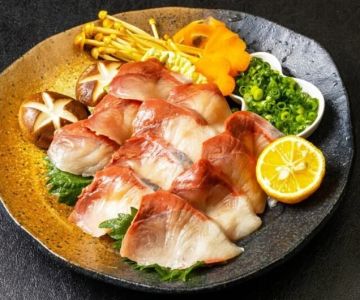
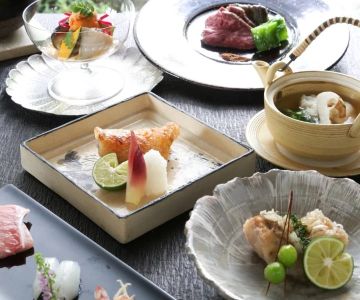
 Oyama Japanese And Thai4.0 (270 reviews)
 Wasabi Bistro4.0 (708 reviews)
 Cafe Yoto4.0 (86 reviews)
 Ichiza 2 Hanare Japanese Resaurant - All Private Dining Room -4.0 (132 reviews)
 Sumo Hibachi4.0 (80 reviews)
 Epoch Asian Fusion4.0 (143 reviews)
 Why Locals Recommend Japanese Sushi Restaurants: Discover the Secrets Behind the Popularity
 A Foodie’s Experience at Bozu Japanese Restaurant
 How to Say "Run a Restaurant" in Japanese: A Complete Guide for Restaurant Owners
 Exploring the Menu at Taki Japanese Restaurant Dunwoody: A Culinary Journey
 Exploring the Menu at Japanese Restaurant in Atlanta
 Why Locals Recommend Tachibana Japanese Restaurant: A Taste of Authenticity