
- 1-Identifying-the-White-Sauce-in-Japanese-Restaurants
- 2-Ingredients-and-Characteristics-of-the-Sauce
- 3-Popular-Dishes-Using-the-White-Sauce
- 4-Regional-Variations-and-Serving-Styles
- 5-Personal-Stories-and-Customer-Experiences
- 6-Where-to-Try-Authentic-Japanese-White-Sauce
1. Identifying the White Sauce in Japanese Restaurants
One of the most common questions food lovers ask is “what is the white sauce in Japanese restaurants?” This creamy condiment often accompanies dishes like katsu, salads, and seafood, adding a rich, smooth texture and a subtly tangy flavor that complements the meal perfectly.
In many cases, this white sauce is a type of Japanese mayonnaise, distinct from Western-style mayo by its use of rice vinegar and a lighter, silkier texture. Sometimes it is mixed with other ingredients to create variations like tartar sauce or creamy dressings unique to Japanese cuisine.
2. Ingredients and Characteristics of the Sauce
The primary ingredient is Japanese mayonnaise, which typically uses egg yolks, vegetable oil, rice vinegar or apple cider vinegar, and a touch of MSG for umami. This results in a sauce that is less sweet, tangier, and creamier than its Western counterparts.
Additional ingredients such as chopped pickles, boiled eggs, or herbs may be added to create a tartar-style white sauce often served with fried seafood or chicken. The delicate balance between creaminess and acidity enhances the flavors without overpowering the dish.
3. Popular Dishes Using the White Sauce
Japanese white sauce is a favorite accompaniment for many dishes. Classic examples include:
3.1 Tonkatsu (Pork Cutlet)
Often served with a drizzle of white sauce alongside the traditional tonkatsu sauce for a layered flavor experience.
3.2 Ebi Fry (Fried Shrimp)
Tartar sauce made with Japanese mayo is a staple dipping sauce, adding creamy brightness to the crispy shrimp.
3.3 Japanese Potato Salad
This salad incorporates the white sauce for a smooth, slightly tangy finish that differentiates it from Western potato salads.
4. Regional Variations and Serving Styles
Across Japan, recipes for white sauce and mayo-based dressings vary. In some areas, local ingredients influence the flavor profile—like adding yuzu citrus for a refreshing twist or mixing in wasabi for a subtle heat.
Moreover, some restaurants craft their own signature versions, sometimes incorporating garlic or herbs to create a unique dining experience. These subtle differences highlight the creativity and regional pride embedded in Japanese cuisine.
5. Personal Stories and Customer Experiences
One diner recalled their first encounter with Japanese white sauce at a beloved local restaurant, describing how the creamy sauce transformed simple fried dishes into something extraordinary. The sauce’s perfect balance of richness and acidity left a lasting impression, inspiring them to try recreating the flavor at home.
Another customer shared how the white sauce made their salad vibrant and enjoyable, a small detail that elevated their entire meal. These stories show how this sauce, often overlooked, plays a pivotal role in enhancing Japanese dining.
6. Where to Try Authentic Japanese White Sauce
If you’re eager to taste authentic white sauce as it’s meant to be enjoyed, Japanese Restaurant offers recommendations on the best places serving genuine Japanese mayo-based sauces. Whether you prefer casual eateries or upscale dining, finding restaurants with house-made white sauces can add a delightful layer to your culinary journey.
Exploring these venues not only satisfies your palate but also deepens your understanding of Japanese cuisine’s subtle complexities.
 Kumo Japanese Steakhouse4.0 (1880 reviews)
 Osaka Sushi Restaurant4.0 (263 reviews)
 Sushi Sake Doral4.0 (1294 reviews)
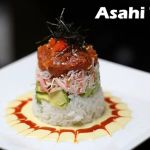 Asahi Teppenyaki & Sushi4.0 (830 reviews)
 Sushi 214.0 (245 reviews)
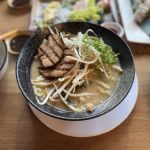 Mirakutei Sushi & Ramen Clackamas4.0 (198 reviews)
 The Complete Guide to Dining at Inaba Japanese Restaurant
 How to Say Romantic Restaurant in Japanese
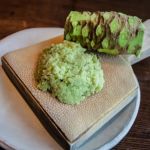 A Foodie’s Experience at Wasabi Japanese Restaurant | Japanese Restaurant
 Explore the Diverse Menu at Hatsuhana Japanese Restaurant – A Culinary Journey
 What to Say When You Leave a Japanese Restaurant – Etiquette and Phrases
 The History and Flavor Behind Mt. Fuji Japanese Restaurant