
- 1-Identifying-the-Yellow-Sauce-Found-in-Japanese-Restaurants
- 2-Key-Ingredients-and-Flavor-Profile-of-the-Yellow-Sauce
- 3-Common-Dishes-and-Usage-in-Japanese-Cuisine
- 4-Variations-and-Regional-Differences
- 5-Discover-Authentic-Japanese-Sauces-with-Japanese-Restaurant
1. Identifying the Yellow Sauce Found in Japanese Restaurants
When dining at Japanese restaurants, many guests often ask, “what is the yellow sauce at Japanese restaurants?” The sauce in question is typically a type of Japanese mustard sauce, known as karashi, or a mayonnaise-based dressing with a yellow tint, often seen on dishes like takoyaki or sushi rolls.
This yellow sauce adds a distinctive spicy or creamy flavor, depending on the specific type and preparation, making it a popular accompaniment in various Japanese dishes.
2. Key Ingredients and Flavor Profile of the Yellow Sauce
The most common yellow sauce served in Japanese restaurants can be broken down into two categories:
2.1 Karashi (Japanese Mustard)
Karashi is a spicy mustard made from mustard seeds and has a sharp, pungent flavor similar to horseradish or wasabi. It is used as a condiment to add heat and depth to dishes.
2.2 Japanese-Style Mayonnaise
Japanese mayonnaise, such as the popular brand Kewpie, has a creamy texture and slight sweetness with a yellowish hue due to the use of egg yolks. It’s often mixed with other ingredients like soy sauce or wasabi to create various dressings.
3. Common Dishes and Usage in Japanese Cuisine
The yellow sauce appears in a range of Japanese dishes, including:
- Takoyaki: Drizzled with a creamy yellow sauce often mixed with Japanese mayo and karashi for a spicy kick.
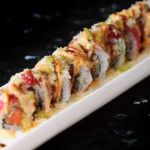
- Sushi rolls: Some sushi rolls feature spicy mayo, which has a yellow tint and provides a rich, slightly spicy flavor.
- Tonkatsu (fried pork cutlet): Occasionally served with karashi mustard for added zest.
The sauce enhances the overall flavor, balancing savory, creamy, and spicy notes.
4. Variations and Regional Differences
Different regions and restaurants may have their own twist on the yellow sauce. Some add ingredients like yuzu citrus for tanginess, while others adjust the spiciness level of karashi to suit local tastes.
Understanding these variations helps appreciate the diversity and creativity in Japanese culinary traditions.
5. Discover Authentic Japanese Sauces with Japanese Restaurant
For those interested in exploring authentic Japanese sauces, including the iconic yellow sauce, Japanese Restaurant offers detailed guides, authentic recipes, and product recommendations. Our platform helps enthusiasts and professionals bring genuine Japanese flavors to their kitchens.
Whether you’re curious about traditional condiments or modern interpretations, Japanese Restaurant provides trustworthy resources to deepen your culinary knowledge and enjoyment.
 Oyama Japanese And Thai4.0 (270 reviews)
 Wasabi Bistro4.0 (708 reviews)
 Cafe Yoto4.0 (86 reviews)
 Ichiza 2 Hanare Japanese Resaurant - All Private Dining Room -4.0 (132 reviews)
 Sumo Hibachi4.0 (80 reviews)
 Epoch Asian Fusion4.0 (143 reviews)
 Why Locals Recommend Japanese Sushi Restaurants: Discover the Secrets Behind the Popularity
 A Foodie’s Experience at Bozu Japanese Restaurant
 How to Say "Run a Restaurant" in Japanese: A Complete Guide for Restaurant Owners
 Exploring the Menu at Taki Japanese Restaurant Dunwoody: A Culinary Journey
 Exploring the Menu at Japanese Restaurant in Atlanta
 Why Locals Recommend Tachibana Japanese Restaurant: A Taste of Authenticity