
- what-kind-of-green-tea-do-japanese-restaurants-serve-commonly
- understanding-the-main-types-of-green-tea-in-japanese-dining
- why-this-type-of-green-tea-is-served-at-restaurants
- my-first-encounter-with-authentic-green-tea-in-a-japanese-restaurant
- how-japanese-restaurant-can-help-you-find-authentic-tea-experiences
1. What Kind of Green Tea Do Japanese Restaurants Serve Commonly?
If you’ve ever asked yourself, “What kind of green tea do Japanese restaurants serve?” while sipping a warm, grassy cup at your table, you’re not alone. This simple yet iconic beverage is a staple in Japanese dining, and the type of tea most frequently served is called sencha.
Sencha is the most popular green tea in Japan — not only at home but also in restaurants, train stations, and department stores. Its clean, fresh taste pairs well with a wide range of dishes, making it the go-to choice for many eateries.
2. Understanding the Main Types of Green Tea in Japanese Dining
2.1 Sencha: the everyday favorite
Sencha is a steamed green tea with a vibrant yellow-green color and a slightly grassy, sweet flavor. It strikes a balance between complexity and drinkability, making it ideal for both casual and upscale dining. Most Japanese restaurants serve sencha either hot or chilled, depending on the season.
2.2 Hojicha: the roasted alternative
Hojicha is another common tea you might find in Japanese restaurants — especially izakayas or places with grilled dishes. Unlike sencha, hojicha is roasted, giving it a toasty, nutty aroma and a brownish hue. It's low in caffeine, which makes it popular during evening meals or for families dining out.
2.3 Genmaicha: comforting and nutty
Genmaicha is a mix of green tea and roasted brown rice. It has a mild, popcorn-like flavor that appeals to those who want something light and soothing. Some casual Japanese restaurants serve genmaicha as a house tea, especially during lunchtime or with set meals.
2.4 Matcha: ceremonial and luxurious
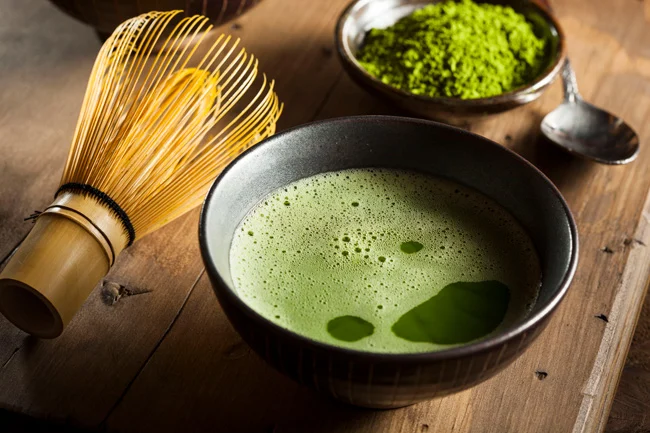
Matcha, the finely ground powdered green tea, is less commonly served complimentary in restaurants but appears often in desserts, specialty drinks, or high-end kaiseki dining. Its bold umami and slight bitterness make it an acquired taste, yet deeply appreciated by tea enthusiasts.
3. Why This Type of Green Tea Is Served at Restaurants
3.1 Flavor harmony with food
Green tea — especially sencha — enhances the flavors of Japanese cuisine without overpowering it. Its astringency helps cleanse the palate between bites of fatty fish, fried tempura, or sweet soy-based sauces.
3.2 Digestive and cultural tradition
Green tea is more than just a beverage in Japan; it's part of the dining experience. Serving tea signals hospitality. It also supports digestion, which is why tea is usually served before or after meals.
3.3 Simplicity and cost-efficiency
Restaurants often brew large pots of sencha or hojicha to serve all guests quickly and consistently. It’s cost-effective and expected — much like bread in a Western restaurant. For more refined establishments, the quality and origin of the tea can be a point of pride.
4. My First Encounter with Authentic Green Tea in a Japanese Restaurant
Years ago, I stepped into a small Tokyo soba shop, not knowing what to expect. As soon as I sat down, the waitress poured me a cup of steaming tea with no sugar, no lemon, no explanation — just a simple welcome gesture. I took a sip. It was grassy, warm, a little bitter, and oddly comforting. That was my first taste of sencha — and it instantly became part of what I now associate with authentic Japanese hospitality.
Since then, I’ve tried genmaicha with grilled salmon in Kyoto, hojicha after yakitori in Osaka, and ceremonial matcha in a Kyoto temple. Each experience taught me that green tea isn’t just a drink in Japan — it’s a quiet conversation between the food, the season, and the spirit of the place.
5. How Japanese Restaurant Can Help You Find Authentic Tea Experiences
Curious to try authentic green teas and dishes the way they’re meant to be served? Japanese Restaurant is your best guide. Whether you’re wondering what kind of green tea a Japanese restaurant serves, or you’re searching for a place that offers traditional tea with your meal, we help you discover local favorites that stay true to cultural roots.
Our platform connects you with Japanese restaurants that go beyond the menu — highlighting tea pairings, regional flavors, and service customs. If you're ready to experience the subtle art of green tea with your next meal, visit Japanese Restaurant and explore curated spots where every sip counts.
 Yuko Kitchen Miracle Mile4.0 (819 reviews)
 Mirai Bowl3.0 (107 reviews)
 Sapporo Japanese Steakhouse & Revolving Sushi4.0 (1147 reviews)
 Meetu Japanese Cuisine4.0 (513 reviews)
 Takka Sushi Bar & Grill4.0 (473 reviews)
 Sake House4.0 (947 reviews)
 Signature Sushi and Ramen at kru Japanese Restaurant in the U.S. Dining Scene
 What Makes Tachibana Japanese Restaurant Stand Out Among Japanese Restaurants
 Why Locals Recommend Restaurant Japanese
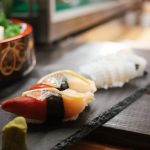 Exploring the Menu at Mt. Fuji Japanese Restaurant
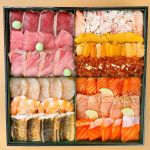 Signature Sushi and Ramen at Inaba Japanese Restaurant
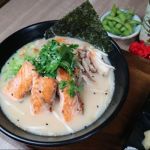 Signature Sushi and Ramen at Takara Japanese Restaurant