
- 1-The-Role-of-Green-Tea-in-Japanese-Cuisine
- 2-Popular-Types-of-Green-Tea-Served-in-Japanese-Restaurants
- 3-Flavor-Profiles-and-Health-Benefits
- 4-Authentic-Experience-and-Cultural-Significance
- 5-Where-to-Find-Authentic-Japanese-Green-Tea
1. The Role of Green Tea in Japanese Cuisine
When asking what kind of green tea do Japanese restaurants serve, it’s important to recognize that green tea is an integral part of the dining experience in Japan. Served both to cleanse the palate and as a symbol of hospitality, green tea complements the flavors of Japanese cuisine while offering a soothing finish to meals.
1.1 Traditional Tea Service
Many Japanese restaurants begin meals by serving a warm cup of green tea, setting a tranquil tone and preparing diners for the nuanced tastes of the dishes to come.
1.2 Green Tea Beyond the Beverage
Besides drinking, green tea is also incorporated in cooking and desserts, showcasing its versatility in Japanese culinary culture.
2. Popular Types of Green Tea Served in Japanese Restaurants
Japanese restaurants commonly serve a variety of green teas, each with unique preparation methods and flavor profiles.
2.1 Sencha
Sencha is the most widely consumed green tea in Japan, made from steamed tea leaves. It has a bright, slightly grassy flavor and is often served hot in restaurants.
2.2 Matcha
Matcha is a finely ground powdered green tea used in traditional tea ceremonies. It has a rich, vibrant taste with a slight bitterness and is increasingly popular in modern Japanese dining experiences.
2.3 Genmaicha
Genmaicha blends green tea with roasted brown rice, offering a nutty aroma and mellow flavor, perfect for those seeking a unique tea experience.
3. Flavor Profiles and Health Benefits
Each green tea type offers distinct taste and health advantages, making them both delicious and beneficial.
3.1 Taste Spectrum
From the fresh and vegetal notes of sencha to the creamy, umami-rich flavor of matcha, green tea varieties cater to diverse palates.
3.2 Antioxidants and Wellness
Green tea is renowned for its antioxidants and potential to boost metabolism, reduce inflammation, and support overall health—benefits often highlighted by Japanese restaurants to enhance the dining experience.
4. Authentic Experience and Cultural Significance
Serving high-quality green tea is a mark of authenticity and respect in Japanese restaurants, reflecting centuries-old traditions.
4.1 Ritual and Hospitality
The act of pouring and sharing tea is a gesture of hospitality, creating a serene environment where guests feel valued.
4.2 Connecting with Japanese Culture
Enjoying authentic green tea offers diners a direct link to Japan’s cultural heritage, enriching meals beyond just flavor.
5. Where to Find Authentic Japanese Green Tea
For those looking to experience the same green teas served in Japanese restaurants, our website Japanese Restaurant provides access to premium, authentic green teas sourced directly from Japan. Whether you are a tea enthusiast or a restaurant owner, our curated selections ensure genuine quality and flavor.
5.1 Trusted Suppliers
Japanese Restaurant partners with reputable producers to offer green teas that meet traditional standards and purity.
5.2 Complementary Products
Explore accessories like traditional tea sets and utensils designed to enhance your tea brewing and drinking experience at home or professionally.
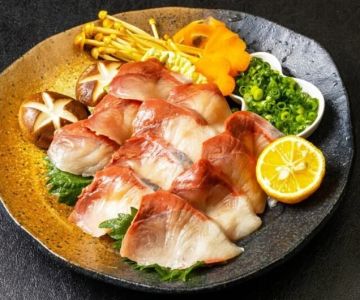
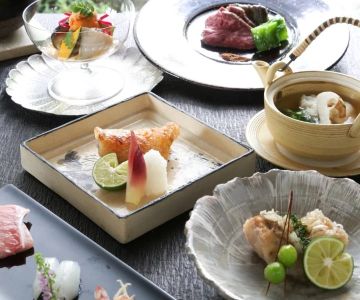
 Yume Sushi4.0 (66 reviews)
 Fusión Sushi & Pho4.0 (92 reviews)
 Wild Japanese BBQ & Sushi & Shabu - AYCE4.0 (595 reviews)
 Omakase by Yun4.0 (104 reviews)
 Sushi Bar Japanese Cuisine4.0 (476 reviews)
 Teriyaki Bowl - Sushi & Ramen4.0 (246 reviews)
 Why Locals Recommend Japanese Restaurants in Boston
 A Foodie’s Experience at Inaba Japanese Restaurant: A Culinary Delight
 The History and Flavor Behind Hiro Japanese Restaurant
 Exploring the Menu at Japanese Restaurant in Atlanta
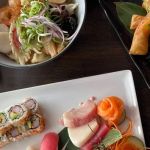 Top Dishes You Should Order at Fujiya Japanese Restaurant: A Culinary Journey
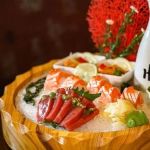 The History and Flavor Behind Sushishima Japanese Restaurant