
- what-kind-of-sandwiches-do-japanese-restaurants-have
- popular-types-of-japanese-sandwiches-served-in-restaurants
- why-japanese-sandwiches-stand-out-in-global-cuisine
- my-personal-discovery-of-a-perfect-japanese-restaurant-sandwich
- find-your-perfect-bite-through-japanese-restaurant
1. What Kind of Sandwiches Do Japanese Restaurants Have?
When people think of Japanese food, sushi, ramen, and tempura come to mind — not sandwiches. But ask any local or visitor who’s explored beyond the usual tourist stops and they'll tell you: Japanese sandwiches, or sando, are a culinary experience of their own. So, what kind of sandwiches do Japanese restaurants have? The answer is as varied as it is delicious, blending traditional Japanese ingredients with refined European-inspired preparation.
From silky egg salad nestled between milk bread to thick, juicy wagyu katsu sandos served at upscale venues, these sandwiches reflect Japan’s attention to detail, aesthetic, and flavor harmony. They're not just snacks — they’re works of edible art.
2. Popular Types of Japanese Sandwiches Served in Restaurants
2.1 Katsu Sando – the king of Japanese sandwiches
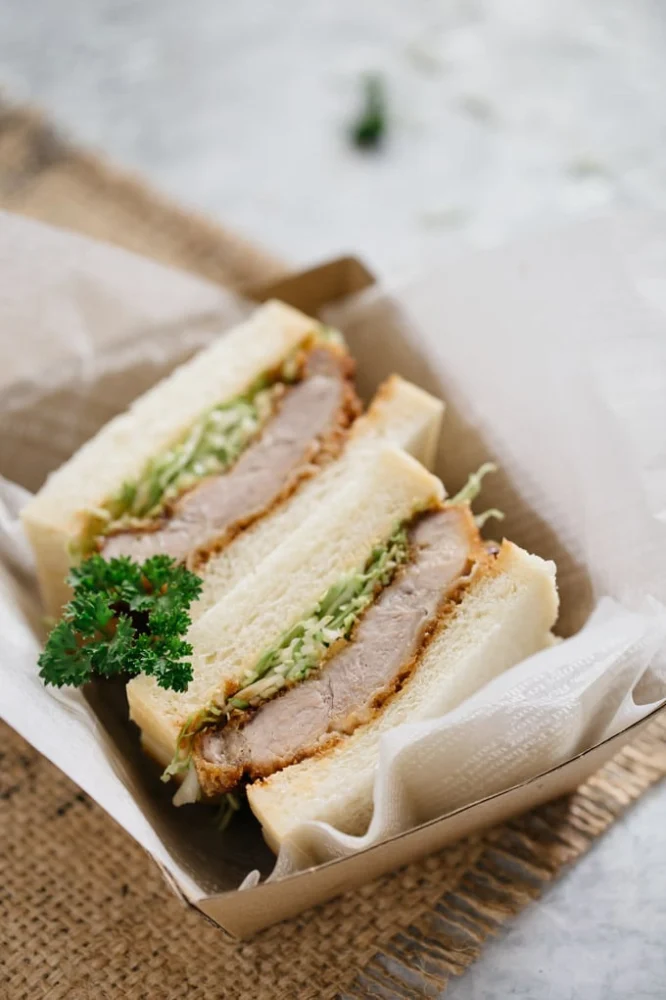
Arguably the most iconic, the Katsu Sando features a deep-fried pork or chicken cutlet, slathered in tangy tonkatsu sauce, between slices of soft white shokupan (Japanese milk bread). In high-end restaurants, this sando becomes a luxury item, sometimes made with wagyu beef, expertly aged and fried to perfection. One Tokyo steakhouse serves theirs with Dijon mustard and crisp cabbage for balance — a favorite among gourmets.
2.2 Tamago Sando – deceptively simple egg salad
The Tamago Sando may look like a humble egg salad sandwich, but it holds a special place in Japanese food culture. Made with softly mashed boiled eggs, Kewpie mayonnaise (a creamier, umami-rich Japanese version), and pillow-soft bread, it’s creamy, mild, and perfectly portable. You’ll find this at both convenience stores and teahouses — a nostalgic favorite elevated by technique.
2.3 Fruit Sando – a dessert worth photographing
Yes, you read that right. Japan’s Fruit Sando uses the same shokupan base, but is filled with seasonal fruits like strawberries, kiwi, and mango, folded into lightly sweetened whipped cream. Often found at café-style restaurants and dessert spots, these sandwiches are as beautiful as they are refreshing.
2.4 Ebi Katsu Sando – seafood with a crunch
For shrimp lovers, Ebi Katsu (breaded shrimp cutlet) sandwiches offer a crispy, savory bite. Served hot and often paired with shredded cabbage and creamy sauce, this version is common in restaurants that specialize in tempura or seafood dishes.
2.5 Menchi Katsu and Korokke Sandos – street-food turned gourmet
Menchi Katsu (minced meat cutlet) and Korokke (potato croquette) sandwiches are hearty, affordable, and satisfying. These are often found in casual Japanese restaurants and fusion cafes, where chefs give them a modern twist with spicy sauces or pickled vegetables.
3. Why Japanese Sandwiches Stand Out in Global Cuisine
3.1 The bread matters
Japanese shokupan is fluffy, slightly sweet, and made with milk — totally different from the rustic, crusty breads common in the West. This pillowy softness turns any sandwich into a comfort food experience.
3.2 Balance of texture and flavor
Every component is thought out: crisp cutlets, creamy sauces, light vegetables, sweet and tangy accents. This balance is rooted in Japan’s broader culinary philosophy — no element should overpower another.
3.3 Presentation is part of the appeal
Even simple sandwiches in Japan are often trimmed of crusts, cut neatly, and presented like bento boxes. Whether in a café or a restaurant, your sandwich feels like a gift more than a meal.
4. My Personal Discovery of a Perfect Japanese Restaurant Sandwich
It was in Osaka, late afternoon, when I stepped into a small eatery tucked behind a shopping arcade. The menu was modest — handwritten, even. I asked for their “chef’s special sando,” expecting maybe pork or chicken. What arrived was a wagyu katsu sando served on toasted brioche with wasabi mayo and pickled daikon on the side. The texture contrast was mesmerizing: crispy outside, buttery inside, and rich beef melting like sushi in your mouth. I ended up ordering a second one — and it was worth every yen.
That experience reminded me: sandwiches in Japan aren’t an afterthought. They’re a carefully crafted statement.
5. Find Your Perfect Bite Through Japanese Restaurant
If you’re curious about what kind of sandwiches Japanese restaurants have, there’s a whole culinary world waiting for you to explore. At Japanese Restaurant, we specialize in highlighting authentic spots — whether they serve classic egg sandos or premium wagyu creations.
Discover local shops, café-style restaurants, and bento houses that serve the finest Japanese sandwiches. Whether you’re in Japan or looking for the best version near you, Japanese Restaurant helps you find flavors that go far beyond the ordinary.
 Nano Ramen & Sushi4.0 (407 reviews)
 Rayaki Ramen Cottman Philadelphia4.0 (613 reviews)
 Imasa Nori Sushi Izakaya4.0 (488 reviews)
 Koi Ramen4.0 (733 reviews)
 Japan XO4.0 (265 reviews)
 Geobukseons Sushi3.0 (351 reviews)
 Exploring the Menu at Midori Japanese Restaurant
 Can You Eat Low Carb at a Japanese Restaurant?
 How to Make a Restaurant Reservation in Japanese: Practical Phrases and Real Tips
 Why Locals Recommend Authentic Japanese Restaurants Near You
 Signature Sushi and Ramen at Good Japanese Restaurants in NYC
 Exploring the Menu at Japanese Restaurant Chicago: A Culinary Adventure