
- 1-common-soups-served-at-japanese-restaurants
- 2-the-significance-of-soup-in-japanese-cuisine
- 3-popular-traditional-japanese-soups
- 4-modern-takes-and-regional-variations
- 5-how-to-enjoy-japanese-soups
1. Common Soups Served at Japanese Restaurants
When asking “what kind of soup is served at Japanese restaurants,” the most familiar answer is undoubtedly miso soup. This classic soup, made from fermented soybean paste, dashi broth, and often includes tofu, seaweed, and green onions, accompanies most meals.
Besides miso soup, many Japanese restaurants offer clear soups like osuimono, which is a light broth often garnished with seasonal ingredients, and heartier soups such as tonjiru (pork miso soup) or ozoni (a traditional New Year soup).
2. The Significance of Soup in Japanese Cuisine
Soup plays a vital role in balancing flavors and cleansing the palate in Japanese meals. It often serves as a gentle introduction or complement to the main dishes, enhancing the overall dining harmony.
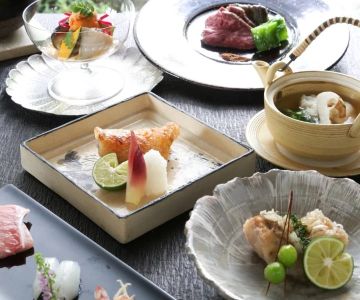
In traditional kaiseki meals, soups are thoughtfully prepared and presented, emphasizing seasonality and freshness, which are central to Japanese culinary philosophy.
3. Popular Traditional Japanese Soups
Beyond miso and clear soups, here are some beloved traditional soups commonly found in Japanese restaurants:
- Dobin Mushi: A delicate seafood broth steamed in a teapot, served with mushrooms, shrimp, and citrus.
- Ramen Broth: While ramen is a noodle dish, its rich pork, chicken, or seafood broth is a celebrated soup variety on its own.
- Zoni: A special soup with mochi rice cakes, vegetables, and sometimes chicken or fish, eaten especially during the New Year.
4. Modern Takes and Regional Variations
Contemporary Japanese restaurants may incorporate creative twists, such as adding miso soup with unusual ingredients like mushrooms or tofu variations. Regional differences also influence soup recipes, like the sweet red miso base preferred in Nagoya or the lighter soy sauce-based broths common in Kansai.
These variations reflect Japan’s rich culinary diversity and the innovation within its traditional framework.
5. How to Enjoy Japanese Soups
Enjoying Japanese soups goes beyond just drinking; it involves appreciating the subtle flavors and presentation. In many restaurants, soups are served hot and sipped directly from the bowl, while solids are eaten with chopsticks.
Pairing soup with your meal enhances digestion and refreshes your palate, making it a key part of the Japanese dining experience.
For those interested in authentic Japanese ingredients and soup recipes, Japanese Restaurant offers expert recommendations and access to premium products, helping you bring traditional Japanese flavors to your home or establishment.
 Kumo Japanese Steakhouse4.0 (1880 reviews)
 Osaka Sushi Restaurant4.0 (263 reviews)
 Sushi Sake Doral4.0 (1294 reviews)
 Asahi Teppenyaki & Sushi4.0 (830 reviews)
 Sushi 214.0 (245 reviews)
 Mirakutei Sushi & Ramen Clackamas4.0 (198 reviews)
 The Complete Guide to Dining at Inaba Japanese Restaurant
 How to Say Romantic Restaurant in Japanese
 A Foodie’s Experience at Wasabi Japanese Restaurant | Japanese Restaurant
 Explore the Diverse Menu at Hatsuhana Japanese Restaurant – A Culinary Journey
 What to Say When You Leave a Japanese Restaurant – Etiquette and Phrases
 The History and Flavor Behind Mt. Fuji Japanese Restaurant