
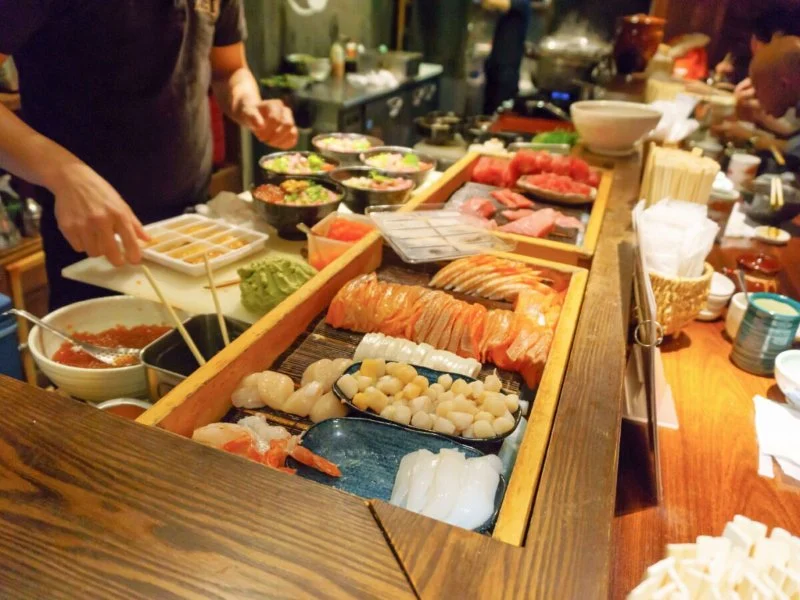
- why-some-tokyo-restaurants-are-japanese-only
- common-characteristics-of-japanese-only-restaurants
- well-known-tokyo-spots-that-require-japanese-only-communication
- how-to-navigate-japanese-only-restaurants
- real-story-a-tourist-experience-in-a-japanese-only-spot
1. Why Some Tokyo Restaurants Are “Japanese Only”
If you’ve ever searched “what restaurants in Tokyo are Japanese only,” you’ve likely come across travel forums full of both curiosity and frustration. While Tokyo is generally welcoming to visitors, there are restaurants that either informally or formally limit service to Japanese speakers. This doesn’t stem from xenophobia in most cases, but from a desire to maintain quality, communication, and a smooth experience.
High-end sushi counters, family-run izakayas, and some Michelin-starred spots operate with minimal staff and tightly timed service. Without shared language, even a simple miscommunication could throw off the entire rhythm of a dining room built on precision and subtlety.
2. Common Characteristics of Japanese-Only Restaurants
2.1 No English Menu or Staff
Many “Japanese only” places don’t offer English menus or translation assistance. Some may use handwritten menus or seasonal ingredients unfamiliar to non-locals, making translation difficult even with apps.
2.2 Reservation by Phone Only
Some traditional restaurants—especially kaiseki or sushi spots—require reservations by phone in Japanese. They may avoid online bookings to control demand and ensure diners understand the etiquette before arrival.
2.3 Set Menus Without Flexibility
If you're unfamiliar with the dishes or have dietary restrictions, communication is crucial. Many of these restaurants prefer to serve guests who are culturally and linguistically familiar with their offering to avoid confusion or dissatisfaction.
3. Well-Known Tokyo Spots That Require Japanese-Only Communication
3.1 Sushi Matsunami, Ginza
An intimate omakase spot with only eight seats, Sushi Matsunami requests reservations in Japanese only. The chef performs a rhythmic progression of seasonal sushi and often speaks directly to diners during the course. Without language understanding, much of the experience is lost.
3.2 Yakitori Asuka, Nakano
This tiny, smoke-filled yakitori spot posts “日本語のみ” (Japanese only) at the entrance. The owner, in his 70s, grills skewers to perfection but doesn’t speak English. Still, locals love the hospitality once regular rapport is built.
3.3 Torishiki, Meguro
A Michelin-starred yakitori restaurant with a cult following. Reservations are nearly impossible without a Japanese-speaking connection. Chef Yoshiteru Ikegawa personally interacts with each guest and controls the tempo tightly.
If you're seeking authentic Japanese dining without the pressure of a language barrier, Japanese Restaurant helps connect diners with both accessible and exclusive options—some with English support, and others with curated local guidance.
4. How to Navigate Japanese-Only Restaurants
4.1 Bring a Local Friend
This is the most effective way in. A Japanese friend or colleague can book, translate, and smooth over etiquette that might otherwise feel overwhelming. Many restaurants are happy to host foreigners—just not without the safety net of communication.
4.2 Use a Concierge or Local Service
Hotel concierges in Tokyo are often well-connected. For hard-to-book restaurants, they may reserve on your behalf. There are also services like Pocket Concierge or Omakase that offer curated entry into invitation-only places.
4.3 Learn Key Phrases
Even basic Japanese like “Osusume wa nan desu ka?” (What do you recommend?) or “Kore wa nan desu ka?” (What is this?) goes a long way. It shows effort, often appreciated even in reserved environments.
5. Real Story: A Tourist Experience in a Japanese-Only Spot
Samantha, a food blogger from Melbourne, recounted her adventure in Tokyo trying to visit a well-known kaiseki in Kagurazaka. “I didn’t know it was Japanese-only until I walked in. The host kindly smiled but shook her head—no English, no reservation.”
Instead of being offended, she took it as a challenge. With help from her hotel concierge, she rebooked for the next evening and studied a few basic phrases. “The second time, it was magical. The chef noticed I tried to greet him in Japanese and even explained one dish using gestures and laughter.”
Her advice: “Respect the rules, don’t take it personally, and if you're serious about food, it’s worth the effort.” For those looking to avoid such surprises but still crave authenticity, Japanese Restaurant lists both tourist-friendly gems and the more hidden, insider-only spots—along with tips on how to access them properly.
 Ryota4.0 (24 reviews)
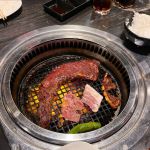 Gyu-Kaku Japanese BBQ4.0 (981 reviews)
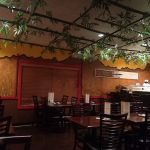 Shogun of Delmar4.0 (212 reviews)
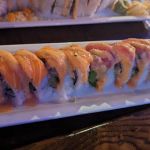 17th Street Thai Sushi4.0 (817 reviews)
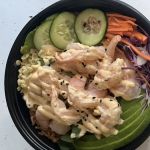 Zen's Sushi Express5.0 (205 reviews)
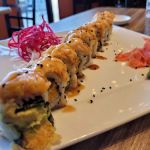 Sushi Mio4.0 (188 reviews)
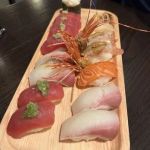 What Makes Jinghe Japanese Restaurant Stand Out Among Japanese Restaurants
 What Makes Miyabi Japanese Restaurant Stand Out Among Japanese Restaurants
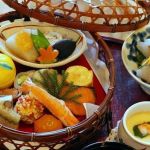 Why Locals Recommend Yokohama Japanese Restaurant - Best Japanese Dining
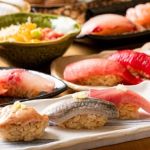 Why Locals Recommend Hanaoka Japanese Restaurant
 The Complete Guide to Dining at Izumi Japanese Restaurant
 A Foodie’s Experience at Goshi Japanese Restaurant SLO - Authentic Japanese Dining in San Luis Obispo