
- 1-understanding-the-sauces-used-on-rice-in-japanese-cuisine
- 2-traditional-sauces-for-sushi-rice
- 3-modern-variations-and-restaurant-practices
- 4-real-stories-and-cultural-meanings
- 5-finding-authentic-japanese-sauces-and-products
1. Understanding the Sauces Used on Rice in Japanese Cuisine
One common question among enthusiasts and newcomers alike is “what sauce do Japanese restaurants use on rice?” The answer varies depending on the dish and style of dining, but sauces play a crucial role in enhancing the subtle flavors of Japanese rice.
Rice in Japanese cuisine is often treated with great care, and the sauces applied are designed to complement, not overpower, its natural taste and texture.
1.1 The Role of Rice in Japanese Meals
Rice is a staple in Japan, served as the foundation of many dishes. The way it is seasoned or paired with sauces reflects regional and seasonal preferences, as well as the chef’s artistry.
2. Traditional Sauces for Sushi Rice
In sushi preparation, rice is typically seasoned with a special mixture known as sushi-su (寿司酢), a blend of rice vinegar, sugar, and salt. This mixture adds a mild tangy sweetness to the rice, balancing the flavors of raw fish and other toppings.
Besides sushi-su, soy sauce (醤油, shoyu) is the most recognized Japanese sauce and is often served alongside sushi to dip or drizzle.
2.1 Other Common Sauces
Japanese restaurants may also use:
- Unagi sauce (eel sauce): a sweet, thick soy-based sauce often drizzled on grilled eel over rice.
- Mentsuyu: a soy and dashi-based sauce sometimes used with rice bowls.
- Teriyaki sauce: a glossy, sweet soy sauce variant used on grilled meats served with rice.
3. Modern Variations and Restaurant Practices
Contemporary Japanese restaurants sometimes introduce innovative sauces, blending traditional flavors with new ingredients. For instance, spicy mayo or ponzu sauce can accompany rice dishes for an added zest.
Some chefs experiment with truffle soy sauce or yuzu-based dressings to give rice a fresh, modern twist while maintaining respect for traditional tastes.
3.1 Personalization and Regional Differences
The sauce used on rice can differ greatly depending on the region and the restaurant’s specialty. This variability allows diners to experience a broad spectrum of Japanese culinary culture through sauces.
4. Real Stories and Cultural Meanings
Kenji, a sushi chef from Tokyo, shared how sushi-su was taught to him by his master. “The balance of vinegar and sugar in sushi-su is the soul of sushi rice,” Kenji explained. This attention to detail and respect for tradition is echoed in many Japanese restaurants worldwide.
Stories like Kenji’s show that sauces on rice are more than just condiments—they represent cultural heritage and craftsmanship.
4.1 Enhancing Dining Experience Through Sauces
Using the right sauce enhances not only flavor but also the dining experience, making the humble rice bowl or sushi plate a celebration of taste and tradition.
5. Finding Authentic Japanese Sauces and Products
If you’re looking to replicate the authentic taste at home or want to source genuine products for your restaurant, Japanese Restaurant offers a curated selection of high-quality sauces and ingredients. Our platform connects you with trusted suppliers, helping you bring authentic Japanese flavors to your kitchen.
Whether you seek classic sushi-su, unagi sauce, or innovative blends, Japanese Restaurant provides reliable options to elevate your dishes.
 Oyama Japanese And Thai4.0 (270 reviews)
 Wasabi Bistro4.0 (708 reviews)
 Cafe Yoto4.0 (86 reviews)
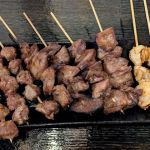 Ichiza 2 Hanare Japanese Resaurant - All Private Dining Room -4.0 (132 reviews)
 Sumo Hibachi4.0 (80 reviews)
 Epoch Asian Fusion4.0 (143 reviews)
 Why Locals Recommend Japanese Sushi Restaurants: Discover the Secrets Behind the Popularity
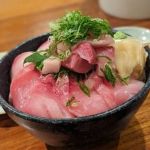 A Foodie’s Experience at Bozu Japanese Restaurant
 How to Say "Run a Restaurant" in Japanese: A Complete Guide for Restaurant Owners
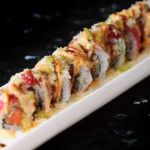 Exploring the Menu at Taki Japanese Restaurant Dunwoody: A Culinary Journey
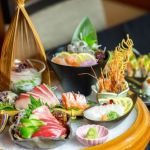 Exploring the Menu at Japanese Restaurant in Atlanta
 Why Locals Recommend Tachibana Japanese Restaurant: A Taste of Authenticity