
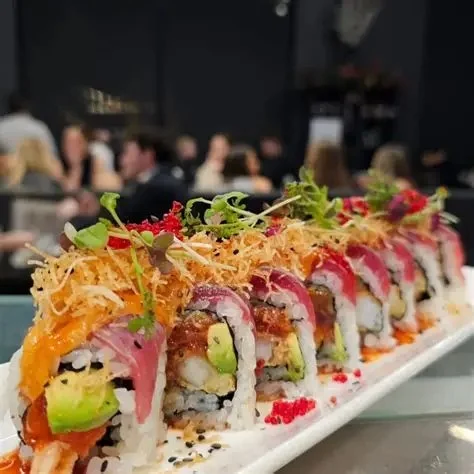
What Sushi Restaurants Are Owned by Japanese? Exploring Authentic Sushi Experiences
- Understanding Authentic Sushi
- Why Sushi Restaurant Ownership Matters
- Examples of Japanese-Owned Sushi Restaurants
- How to Identify Authentic Sushi Restaurants
- Recommendations for Sushi Lovers
Sushi is more than just a meal; it’s an art form with centuries of tradition behind it. While sushi restaurants are now found around the world, the question often arises: "What sushi restaurants are owned by Japanese?" Understanding which sushi spots are owned by Japanese individuals can give you insight into the authenticity of the experience and help you find a more genuine taste of Japan.
What Sushi Restaurants Are Owned by Japanese?
As sushi becomes more globally popular, many non-Japanese restaurants have emerged offering sushi to customers. However, there’s something special about restaurants owned and operated by Japanese individuals. The quality of sushi, the dining experience, and the adherence to traditional Japanese culinary techniques often reflect the true essence of this dish. So, what makes a sushi restaurant genuinely Japanese-owned, and why does ownership matter?
Why Sushi Restaurant Ownership Matters
Ownership of a sushi restaurant by a Japanese individual can make a significant difference in the authenticity of the food and the overall dining experience. This is especially true in places like the United States or Europe, where sushi is often modified to suit local tastes. When a restaurant is owned by a Japanese chef or family, you can expect:
1. Traditional Techniques
Japanese chefs who own sushi restaurants bring with them years of training in traditional techniques passed down through generations. From selecting the freshest fish to preparing sushi rice with precision, these chefs stay true to their roots, ensuring an authentic sushi experience.
2. The True Spirit of Sushi
In Japanese culture, sushi is about more than just the food; it’s about respect for the ingredients, meticulous preparation, and providing a truly memorable experience. When a sushi restaurant is owned by Japanese individuals, they often go above and beyond to offer a genuine atmosphere that reflects these values.
3. Authentic Menu Options
Many sushi restaurants that are not Japanese-owned tend to cater to Western tastes, with options like spicy tuna rolls and California rolls. In contrast, Japanese-owned sushi spots are more likely to offer traditional dishes such as nigiri, sashimi, and hand rolls, as well as unique offerings like uni (sea urchin) and toro (fatty tuna).
So, where can you find sushi restaurants owned by Japanese individuals? Here are a few examples of well-known establishments around the world that are owned by Japanese chefs or families.
Examples of Japanese-Owned Sushi Restaurants
1. Sukiyabashi Jiro (Tokyo, Japan)
Perhaps the most famous Japanese-owned sushi restaurant, Sukiyabashi Jiro is the establishment of renowned sushi master Jiro Ono. Known for its impeccable attention to detail and the highest quality of ingredients, this Michelin-starred restaurant is a perfect example of traditional sushi-making at its finest.
2. Sushi Yasuda (New York, USA)
Sushi Yasuda is a sushi restaurant in New York City that is owned and operated by Japanese chefs. Known for its dedication to authenticity, the restaurant serves sushi that stays true to traditional Japanese practices. The focus is on fresh, high-quality fish and the art of sushi-making.
3. Shunka (Barcelona, Spain)
Shunka is a well-regarded sushi restaurant in Barcelona, owned by a Japanese chef. It offers a combination of traditional sushi and modern twists, but always maintains the quality and authenticity that Japanese-owned establishments are known for.
Identifying whether a sushi restaurant is genuinely Japanese-owned can sometimes be tricky, especially in cities where sushi is popular. Here are a few tips to help you spot an authentic sushi experience.
How to Identify Authentic Sushi Restaurants
1. Check for Traditional Japanese Ingredients
Authentic Japanese-owned sushi restaurants are more likely to use traditional ingredients such as shoyu (soy sauce), wasabi, and pickled ginger. They might also offer rare fish or other ingredients that aren't commonly found in more commercially-leaning sushi spots.
2. Look for a Japanese Menu
If the restaurant offers a menu that is written mostly in Japanese with minimal Western influence, this could be a sign of authenticity. Many Japanese-owned sushi restaurants maintain traditional dishes, such as omakase (chef’s choice) or seasonal menus that reflect the essence of Japanese cuisine.
3. Observe the Atmosphere
Japanese-owned sushi spots often feature minimalist and Zen-like decor. The focus is on creating a calm, respectful, and unhurried dining environment where the quality of the food and the experience is paramount. The service will typically reflect traditional Japanese hospitality (omotenashi).
For sushi lovers looking for an authentic experience, finding a Japanese-owned restaurant can make all the difference. If you’re in the market for traditional sushi, consider visiting a place like Japanese Restaurant, where the chefs pride themselves on preserving the culture and craftsmanship of Japanese cuisine.
Recommendations for Sushi Lovers
1. Try Omakase
If you’re seeking an authentic sushi experience, opt for omakase, where the chef chooses the courses for you. This not only gives you a taste of the best sushi available that day but also allows you to experience the chef's expertise and artistry up close.
2. Embrace the Simplicity
Authentic sushi focuses on simplicity, with the emphasis placed on the quality of the ingredients rather than overcomplicated flavors. Don’t be afraid to enjoy the pure taste of a well-crafted piece of nigiri or sashimi.
3. Learn About the Ingredients
Take the time to learn about the fish and other ingredients used in sushi. Understanding the quality and provenance of the ingredients can enhance your appreciation for the dish and help you select the best sushi for your taste.
 Oiso Sushi and Korean4.0 (643 reviews)
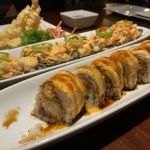 TAKASHI LOUISVILLE4.0 (188 reviews)
 YamaChen's Sushi4.0 (301 reviews)
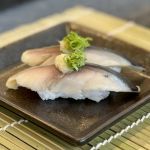 Haji Sushi House4.0 (97 reviews)
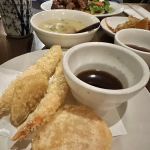 Kissui Sushi3.0 (105 reviews)
 Sushi Palace4.0 (694 reviews)
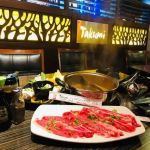 A Foodie’s Experience at Takumi Japanese Restaurant | Japanese Restaurant
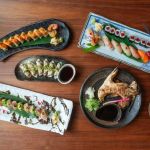 The Complete Guide to Dining at Minamoto Japanese Restaurant
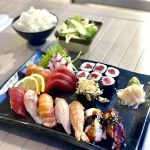 What Makes Japanese Restaurant Orlando Stand Out Among Japanese Restaurants | Authentic Dining in Florida
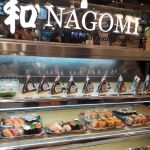 What Makes Nagomi Japanese Restaurant Stand Out Among Other Japanese Restaurants
 Why Locals Recommend Sapporo Japanese Restaurant | A Taste of Authentic Japan
 The History and Flavor Behind Sasa Japanese Restaurant