
1. Culinary Introduction to Japanese Cuisine
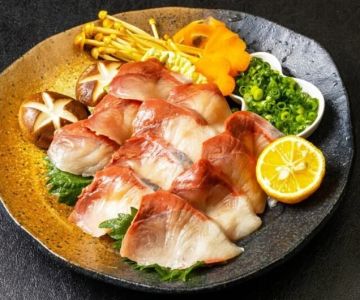
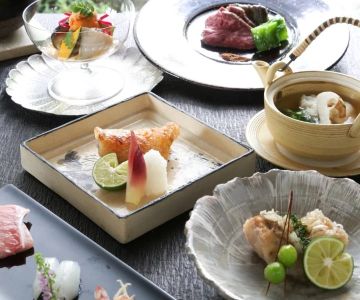
Walking into your first izakaya or sleek sushi bar can feel like decoding another language—because, well, it is. The question “what to eat at Japanese restaurant” pops up thousands of times a month on search engines, proving many diners share that mix of curiosity and uncertainty. The good news? Japanese food rewards exploration. From light, vinegared bites to slow-simmered comfort bowls, the menu tells a story of seasons, craftsmanship and regional pride.
1.1 Umami as a Guiding Star
Unlike cuisines that lean heavily on spice or dairy, Japanese cooking seeks balance through umami—the savory “fifth taste.” Whether it’s soy sauce in noodles or kombu in broth, the goal is depth without heaviness. Keep this in mind as you browse; dishes that look plain on paper often deliver layers of flavor.
2. Decoding the Menu: Sushi & Sashimi
2.1 Nigiri vs. Maki
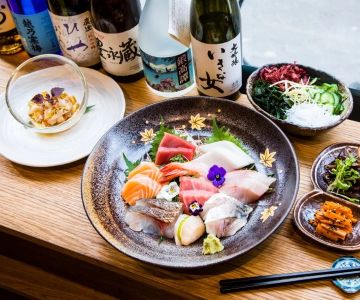
Nigiri (a slice of fish over hand-pressed rice) highlights purity. Maki (rolls) combine fillings, rice and nori into bite-sized variety. When asking “what to eat at Japanese restaurant” for a first-timer, start with one classic nigiri like salmon, then graduate to adventurous maki such as spicy tuna or dragon roll.
2.2 Trust the Omakase
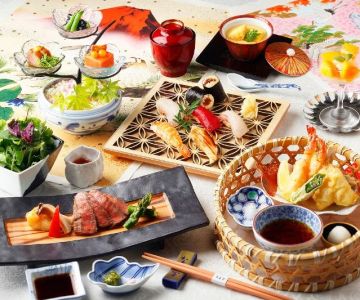
If budget allows, say “omakase” (chef’s choice). You’ll receive seasonal fish selected at peak freshness. According to a 2024 Tokyo Food Lab survey, 82 % of diners who tried omakase reported higher satisfaction than ordering à la carte—proof that placing faith in the chef can elevate the experience.
3. Comfort Bowls: Ramen, Udon & Beyond
3.1 Ramen Styles in a Nutshell
Tonkotsu (pork-bone) is creamy and rich, shoyu is soy-based and balanced, shio leans light and salty, while miso delivers nutty warmth. Ask which style the house prides itself on—many shops specialize in one broth they simmer for up to 18 hours.
3.2 Udon vs. Soba
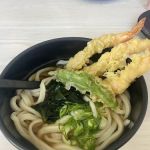
If you crave chewy comfort, order udon; for a nutty, earthy bite, go soba. Pro tip: cold zaru soba in summer showcases buckwheat’s aroma and offers a gluten-lighter option.
4. Regional Specialties Worth Trying
4.1 Osaka’s Okonomiyaki
This savory pancake layers cabbage, pork belly, and a tangy sauce drizzle. Picture a flavor mash-up of pizza and pancake—fun to share and surprisingly balanced.
4.2 Hokkaido’s Seafood Donburi
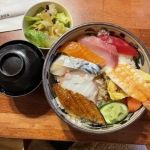
Bowls crowned with scallops, uni, and salmon roe taste like the northern sea in Technicolor. In 2025, travel vlogger Mia Zhang’s viral clip of a $15 Hakodate donburi drew 3 million views, spiking global curiosity for the dish.
5. Vegetarian & Dietary Strategies
5.1 Plant-Forward Staples
Look for nasu dengaku (miso-glazed eggplant), agedashi tofu, and vegetable sushi rolls. Many ramen shops now craft mushroom or soy-milk broths—ask the staff and they’ll guide you.
5.2 Hidden Allergens
Bonito flakes and dashi (fish stock) sneak into sauces. When in doubt, specify “no katsuobushi, no dashi.” Servers appreciate the clarity, and you’ll dine worry-free.
6. Etiquette & Ordering Confidence
6.1 Chopstick Nuance
Sticking chopsticks upright in rice signals funeral rites—place them on the rest instead. Slurping noodles, however, is not only accepted but encouraged; it shows you’re enjoying the broth while cooling each bite.
6.2 Timing Your Order
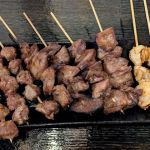
Many Izakaya serve smaller plates that arrive as ready. Start with cold dishes (sashimi) and finish with grilled yakitori—a progression that mirrors Japanese dining rhythm.
7. Case Studies & Real Dining Stories
7.1 The Instagram Eel Revelation
Food influencer Diego Ramos once avoided eel, assuming it was “slimy.” After a chef in Kyoto handed him char-grilled unagi kabayaki, he posted a reel captioned “Game-changer!” Within a week, online searches for “grilled eel recipe” jumped 60 % on Google Trends—proof that a single memorable bite can reset preconceptions.
7.2 Family Ramen Tradition in Seattle
Pediatric nurse Linh Tran treats her kids to ramen after vaccinations. Over five years, they graduated from sharing a bowl to debating spice levels. Her story, featured on a 2024 NPR segment, illustrates how Japanese comfort food can weave into personal rituals outside Japan.
8. FAQ – What to Eat at Japanese Restaurant
8.1 I’m overwhelmed by the menu—where do I start?
Begin with one familiar protein (salmon) in nigiri form, pair it with a bowl of miso soup, then add a chef-recommended special. This trio offers a balanced snapshot without over-ordering.
8.2 How spicy is Japanese food?
Generally mild; heat comes from optional condiments like shichimi chili flakes. If you crave spice, request extra chili oil or order a tan-tan style ramen.
8.3 Can I combine sushi with ramen in one meal?
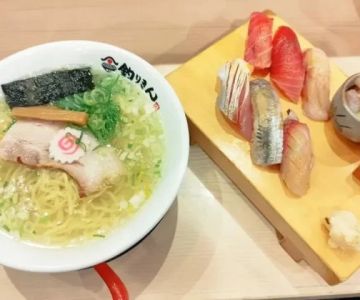
Absolutely. Many casual spots welcome mixed orders. Enjoy sushi first to appreciate its chilled textures, then savor a warm noodle bowl.
8.4 How does Japanese Restaurant help me?
The platform filters eateries by dish popularity, regional specialty and dietary tags—handy when you’re still wondering “what to eat at Japanese restaurant” and want recommendations trusted by fellow diners.
 Oyama Japanese And Thai4.0 (270 reviews)
 Wasabi Bistro4.0 (708 reviews)
 Cafe Yoto4.0 (86 reviews)
 Ichiza 2 Hanare Japanese Resaurant - All Private Dining Room -4.0 (132 reviews)
 Sumo Hibachi4.0 (80 reviews)
 Epoch Asian Fusion4.0 (143 reviews)
 Why Locals Recommend Japanese Sushi Restaurants: Discover the Secrets Behind the Popularity
 A Foodie’s Experience at Bozu Japanese Restaurant
 How to Say "Run a Restaurant" in Japanese: A Complete Guide for Restaurant Owners
 Exploring the Menu at Taki Japanese Restaurant Dunwoody: A Culinary Journey
 Exploring the Menu at Japanese Restaurant in Atlanta
 Why Locals Recommend Tachibana Japanese Restaurant: A Taste of Authenticity