
- 1-Understanding-Gluten-In-Japanese-Cuisine
- 2-Gluten-Free-Dishes-To-Try-At-Japanese-Restaurants
- 3-Tips-For-Gluten-Free-Dining-In-Japanese-Restaurants
- 4-Finding-Gluten-Free-Products-And-Resources
1. Understanding Gluten in Japanese Cuisine
Many people ask, what to eat gluten free at a Japanese restaurant, since Japanese cuisine often features ingredients like soy sauce and tempura batter that contain gluten. Understanding where gluten hides in traditional dishes is key to making safe choices.
1.1 Common Sources of Gluten
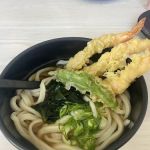
Soy sauce is a primary culprit, as traditional soy sauce is brewed with wheat. Tempura and other fried dishes often use wheat-based batter. Additionally, some noodles like udon and ramen contain wheat flour, which must be avoided by those on a gluten-free diet.
1.2 Naturally Gluten-Free Japanese Ingredients
Japanese cuisine also uses many naturally gluten-free ingredients, such as rice, fresh fish, seaweed, tofu, and vegetables. Identifying dishes made primarily from these elements helps maintain a safe and enjoyable meal.
2. Gluten-Free Dishes to Try at Japanese Restaurants
Here are some delicious and authentic gluten-free options commonly available at Japanese restaurants.
2.1 Sashimi and Sushi Without Soy Sauce
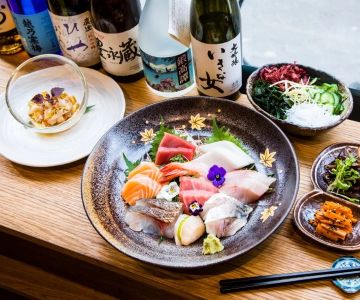
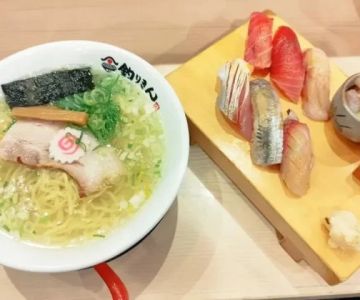
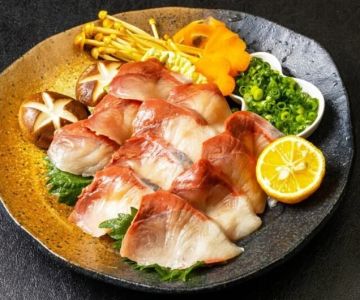
Sashimi—fresh, raw fish slices—is naturally gluten-free. Sushi made with plain rice and fresh fish can be safe if you avoid soy sauce or use gluten-free tamari as a substitute.
2.2 Grilled Fish and Yakitori
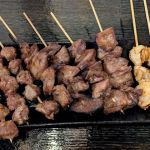
Grilled fish dishes, seasoned simply with salt, are safe gluten-free choices. Yakitori (skewered grilled chicken) is also good if prepared without soy-based sauces or with gluten-free alternatives.
2.3 Rice and Vegetable Dishes
Steamed rice, plain rice bowls, and vegetable sides like seaweed salad or pickled vegetables usually do not contain gluten, making them reliable menu staples.
3. Tips for Gluten-Free Dining in Japanese Restaurants
Successfully navigating gluten-free options requires communication and awareness.
3.1 Inform the Staff About Your Dietary Needs
Clearly explain your gluten intolerance or allergy to the server. Many Japanese restaurants are accustomed to dietary restrictions and can suggest safe dishes or modify meals accordingly.
3.2 Ask About Sauces and Ingredients
Since soy sauce and marinades commonly contain gluten, ask if gluten-free tamari or other alternatives are available. Confirm if tempura or fried dishes use gluten-free batter or if cross-contamination is a risk.
3.3 Be Cautious with Soups and Broths
Some miso soups and broths contain wheat-based ingredients, so inquire specifically to avoid gluten exposure.
4. Finding Gluten-Free Products and Resources
For those who want to enjoy Japanese cuisine safely at home or find restaurants with reliable gluten-free options, Japanese Restaurant offers expertly curated products and recommendations tailored to gluten-free lifestyles.
4.1 Trusted Gluten-Free Japanese Ingredients
Japanese Restaurant provides access to authentic gluten-free soy sauce, rice noodles, and other staples that help recreate genuine flavors without gluten concerns.
4.2 Real Stories From Gluten-Free Diners
Many customers share how discovering gluten-free options through Japanese Restaurant improved their dining experiences, allowing them to enjoy Japanese cuisine fully and confidently.
 Oyama Japanese And Thai4.0 (270 reviews)
 Wasabi Bistro4.0 (708 reviews)
 Cafe Yoto4.0 (86 reviews)
 Ichiza 2 Hanare Japanese Resaurant - All Private Dining Room -4.0 (132 reviews)
 Sumo Hibachi4.0 (80 reviews)
 Epoch Asian Fusion4.0 (143 reviews)
 Why Locals Recommend Japanese Sushi Restaurants: Discover the Secrets Behind the Popularity
 A Foodie’s Experience at Bozu Japanese Restaurant
 How to Say "Run a Restaurant" in Japanese: A Complete Guide for Restaurant Owners
 Exploring the Menu at Taki Japanese Restaurant Dunwoody: A Culinary Journey
 Exploring the Menu at Japanese Restaurant in Atlanta
 Why Locals Recommend Tachibana Japanese Restaurant: A Taste of Authenticity