
- 1-Popular-Dishes-to-Try-What-to-Eat-in-a-Japanese-Restaurant
- 3-Unique-Regional-Specialties-Worth-Exploring
- 4-Personal-Stories-of-Exploring-Japanese-Cuisine
- 5-How-Japanese-Restaurant-Can-Help-You-Choose
1. Popular Dishes to Try: What to Eat in a Japanese Restaurant
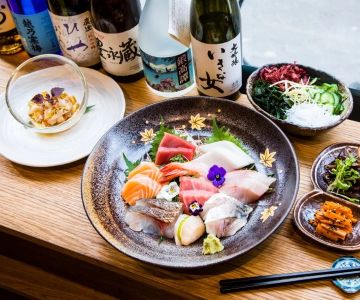
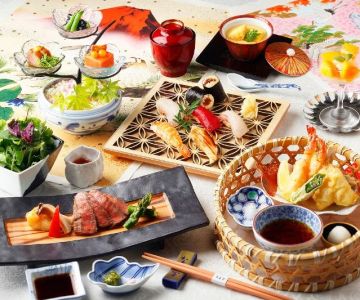
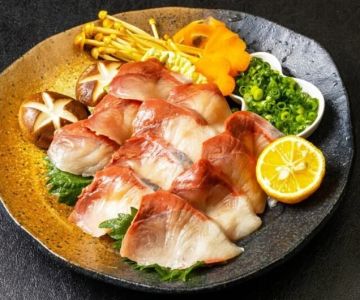
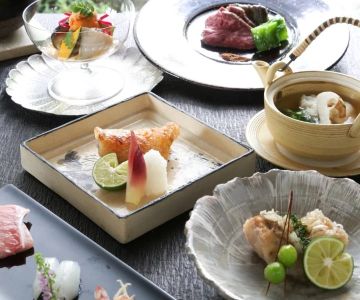
If you’re wondering “what to eat in a Japanese restaurant,” starting with classic dishes can offer a true taste of Japan’s culinary heritage. Sushi and sashimi are iconic choices, featuring fresh, delicate slices of raw fish served with vinegared rice or alone.
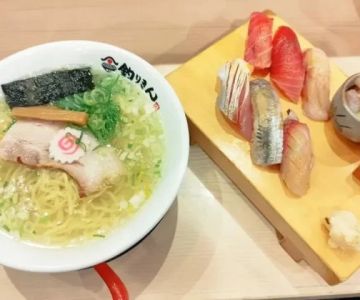
Another favorite is ramen, a hearty noodle soup with rich broth varieties like tonkotsu (pork bone), shoyu (soy sauce), or miso-based. Tempura—lightly battered and fried seafood or vegetables—is perfect for those who enjoy crispy textures.
1.1 Essential Dishes Beyond Sushi
Don’t miss dishes like buta no kakuni (braised pork belly), which offers tender, savory flavors, or yakitori, grilled chicken skewers that are smoky and flavorful. These provide a balance of tastes and textures to round out your meal.
2. Understanding the Japanese Restaurant Menu
Japanese menus can sometimes be overwhelming due to their diversity. Familiarizing yourself with typical sections like appetizers, main courses, sushi, and desserts helps navigate choices.
Menus often highlight seasonal ingredients and chef’s specials, giving diners a chance to experience fresh and regional flavors. Understanding common terms and asking staff for recommendations enhances the experience.
2.1 Tips for Ordering
Start with shared appetizers like edamame or miso soup, then choose a mix of raw and cooked dishes to enjoy variety. Pair your meal with sake or green tea to complement flavors authentically.
3. Unique Regional Specialties Worth Exploring
Japan’s regions offer distinct culinary traditions. For instance, Osaka is famous for okonomiyaki, a savory pancake, while Hokkaido is known for fresh seafood and dairy products. Trying these specialties adds depth to your dining adventure.
4. Personal Stories of Exploring Japanese Cuisine
A diner shared how ordering buta no kakuni at a small Tokyo restaurant became a memorable experience, as the chef personally explained the slow-cooking technique that made the dish tender and flavorful. This interaction enriched her appreciation of the food beyond taste alone.
Another visitor described their first sushi experience at a traditional sushi-ya, where the chef’s omakase selection introduced rare fish varieties, making the meal both surprising and delightful.
5. How Japanese Restaurant Can Help You Choose
Deciding what to eat in a Japanese restaurant can be easier with expert guidance. Our platform, Japanese Restaurant, offers curated menus, dish descriptions, and user reviews to help you discover authentic options that suit your preferences.
Whether you’re a first-timer or a seasoned fan, Japanese Restaurant provides practical tips and trusted recommendations, ensuring a delicious and culturally rich dining experience.
 Kumo Japanese Steakhouse4.0 (1880 reviews)
 Osaka Sushi Restaurant4.0 (263 reviews)
 Sushi Sake Doral4.0 (1294 reviews)
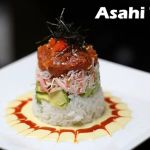 Asahi Teppenyaki & Sushi4.0 (830 reviews)
 Sushi 214.0 (245 reviews)
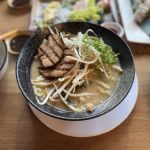 Mirakutei Sushi & Ramen Clackamas4.0 (198 reviews)
 The Complete Guide to Dining at Inaba Japanese Restaurant
 How to Say Romantic Restaurant in Japanese
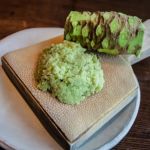 A Foodie’s Experience at Wasabi Japanese Restaurant | Japanese Restaurant
 Explore the Diverse Menu at Hatsuhana Japanese Restaurant – A Culinary Journey
 What to Say When You Leave a Japanese Restaurant – Etiquette and Phrases
 The History and Flavor Behind Mt. Fuji Japanese Restaurant