
- 1-Importance-Of-A-Good-Japanese-Restaurant-Name
- 2-Factors-To-Consider-When-Naming
- 3-Creative-Ideas-For-Japanese-Restaurant-Names
- 4-Leveraging-Cultural-Authenticity
- 5-Resources-For-Naming-And-Branding
1. Importance of a Good Japanese Restaurant Name
Choosing what to name a Japanese restaurant is a critical step that can influence its success. A well-crafted name not only attracts attention but also conveys the restaurant’s identity and values. It sets customer expectations and builds brand recognition.
A strong name can evoke the ambiance, authenticity, and culinary style your restaurant aims to provide, making it easier to connect emotionally with your target audience.
1.1 Real Case: A Name That Made a Difference
For example, a restaurant named “Sakura Garden” instantly evokes traditional Japanese imagery and serenity, attracting diners seeking authentic experiences. This kind of meaningful naming can help establish a loyal customer base.
2. Factors to Consider When Naming
When deciding what to name a Japanese restaurant, several factors should be thoughtfully evaluated.
2.1 Cultural Relevance and Meaning
Names with Japanese words or references to nature, seasons, or traditional concepts resonate well. However, it’s essential to understand the meaning and ensure it aligns positively with your brand.
2.2 Simplicity and Memorability
Names that are easy to pronounce and remember appeal more to customers, especially in international markets. Avoid overly complex or obscure terms that might confuse diners.
2.3 Uniqueness and Trademark Considerations
Ensure your chosen name is unique to avoid legal issues and stand out in a competitive market. Checking trademarks and online domains early can save headaches later.
3. Creative Ideas for Japanese Restaurant Names
Here are some strategies and examples to inspire your naming process:
3.1 Using Japanese Symbols and Words
Incorporate words like “Sakura” (cherry blossom), “Matsuri” (festival), or “Tsubaki” (camellia) to evoke cultural imagery and elegance.
3.2 Nature and Seasonal Themes
Names inspired by mountains, rivers, or seasons, such as “Yama” (mountain) or “Haruka” (spring fragrance), connect to Japanese appreciation for nature.
3.3 Fusion and Modern Twists
Blend traditional Japanese elements with modern or local terms to create unique identities, e.g., “Urban Izakaya” or “Tokyo Breeze.”
4. Leveraging Cultural Authenticity
Authenticity is vital for Japanese restaurants. Using culturally respectful names and understanding their significance builds trust and respect among customers.
Partnering with native speakers or cultural consultants can help ensure names convey the intended message and honor Japanese traditions.
5. Resources for Naming and Branding
For entrepreneurs unsure about what to name a Japanese restaurant, Japanese Restaurant provides valuable resources, including expert branding advice, name ideas, and marketing tips tailored to Japanese cuisine.
5.1 Expert Consultation and Tools
Access professional guidance to craft a name that aligns with your vision and market demands. Explore creative tools and case studies to inspire your branding journey.
5.2 Success Stories
Many restaurateurs credit their strong brand identity, starting with a compelling name, as a key factor in their thriving businesses.
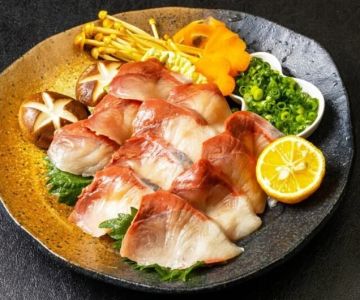
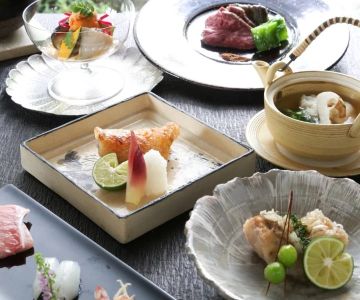
 Oyama Japanese And Thai4.0 (270 reviews)
 Wasabi Bistro4.0 (708 reviews)
 Cafe Yoto4.0 (86 reviews)
 Ichiza 2 Hanare Japanese Resaurant - All Private Dining Room -4.0 (132 reviews)
 Sumo Hibachi4.0 (80 reviews)
 Epoch Asian Fusion4.0 (143 reviews)
 Why Locals Recommend Japanese Sushi Restaurants: Discover the Secrets Behind the Popularity
 A Foodie’s Experience at Bozu Japanese Restaurant
 How to Say "Run a Restaurant" in Japanese: A Complete Guide for Restaurant Owners
 Exploring the Menu at Taki Japanese Restaurant Dunwoody: A Culinary Journey
 Exploring the Menu at Japanese Restaurant in Atlanta
 Why Locals Recommend Tachibana Japanese Restaurant: A Taste of Authenticity