
What to Order at a Japanese Restaurant: A Guide for First-Time Diners
- 1- Introduction to Japanese Cuisine
- 2- Sushi: A Must-Try Dish
- 3- Ramen: Comfort in a Bowl
- 4- Tempura: Crispy Delights
- 5- Specialty Dishes to Consider
- 6- Beverages to Complement Your Meal
1. Introduction to Japanese Cuisine
Japanese cuisine is known for its emphasis on fresh ingredients, delicate flavors, and beautiful presentation. If you're new to dining at a Japanese restaurant, the variety of dishes can be overwhelming. From sushi to tempura, there’s something for every palate. In this guide, we'll help you navigate the menu and highlight some of the best dishes to order at a Japanese restaurant, ensuring you have a memorable dining experience.
2. Sushi: A Must-Try Dish
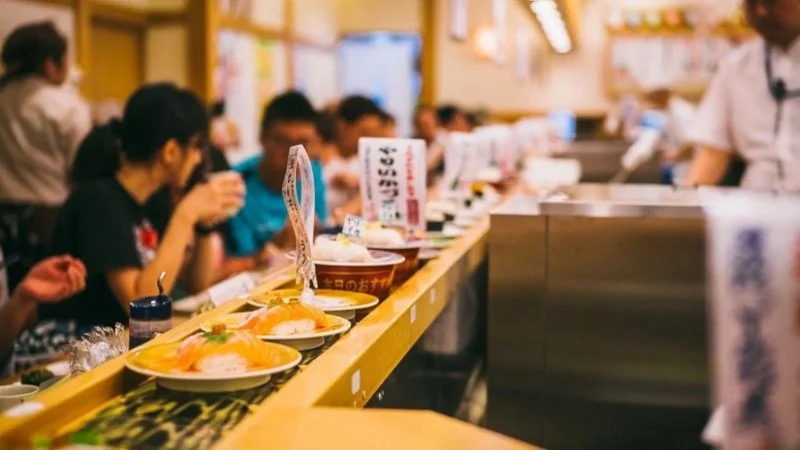
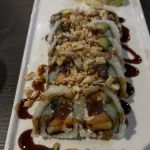
Sushi is perhaps the most iconic dish associated with Japanese cuisine. Whether you're a first-time diner or a seasoned food lover, sushi is an absolute must-try. Sushi typically consists of vinegared rice paired with a variety of fresh fish or seafood. It can be served in different forms, such as nigiri (slices of fish over rice), maki (rolled sushi), and sashimi (thin slices of raw fish). If you're unsure where to start, a sushi platter with a variety of nigiri and maki is a great option to experience a range of flavors.
For beginners, we recommend trying classic options like salmon, tuna, or shrimp. If you're feeling adventurous, opt for more unique offerings like uni (sea urchin) or toro (fatty tuna). You may also encounter specialty rolls like California rolls or dragon rolls, which are often more familiar to Western tastes.
3. Ramen: Comfort in a Bowl
If you're in the mood for something hearty and comforting, ramen is a perfect choice. This beloved Japanese noodle soup features rich, flavorful broth, chewy noodles, and a variety of toppings such as sliced pork, boiled egg, seaweed, and green onions. There are different types of ramen based on the broth: shoyu (soy sauce), miso (fermented soybean paste), shio (salt), and tonkotsu (pork bone broth).
Each type of ramen offers a unique flavor profile. Tonkotsu ramen is particularly famous for its creamy, rich broth, while miso ramen brings a deep, savory taste. When ordering ramen, you can often choose the level of spiciness or even request additional toppings such as extra noodles or a soft-boiled egg for added richness.
4. Tempura: Crispy Delights
Tempura is a dish that features battered and deep-fried seafood or vegetables, resulting in a light, crispy texture that is both delicious and satisfying. Common tempura ingredients include shrimp, squid, sweet potato, and green beans. This dish is often served with a dipping sauce called tentsuyu, made from dashi (broth), soy sauce, and mirin (sweet rice wine).
Tempura is a great choice if you're looking for something crispy yet not too heavy. For a complete meal, consider pairing tempura with rice and a side of miso soup. If you're in a Japanese restaurant that offers a tempura combination, it's a fantastic way to try a variety of ingredients.
5. Specialty Dishes to Consider
Beyond the standard sushi, ramen, and tempura, Japanese restaurants often offer a range of specialty dishes that are worth exploring. Some of these dishes include:
- Yakitori: Skewered and grilled chicken, typically served with tare sauce (a mixture of soy sauce, sake, and sugar). It's a great appetizer or side dish.
- Donburi: A rice bowl topped with ingredients like beef (gyudon), chicken (oyakodon), or tempura (tendon). It's a filling and satisfying meal.
- Udon: Thick wheat noodles served in a hot broth, often accompanied by tempura or other toppings like tofu and vegetables.
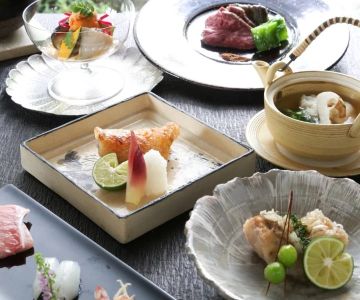
- Kaiseki: A traditional multi-course meal that offers a variety of seasonal dishes, emphasizing balance and presentation.
These dishes provide a deeper dive into the richness of Japanese cuisine, offering something beyond the usual staples. If you're at a higher-end restaurant or one that specializes in traditional Japanese fare, consider ordering a kaiseki or donburi for a true Japanese dining experience.
6. Beverages to Complement Your Meal
To enhance your Japanese dining experience, it’s essential to pair your meal with the right beverage. Here are some options you might find at a Japanese restaurant:
- Sake: This traditional Japanese rice wine is a popular choice to pair with a variety of dishes. Sake comes in different varieties, ranging from sweet to dry, and can be served chilled or warm.
- Green Tea: A classic beverage that complements the delicate flavors of Japanese food. It’s light, refreshing, and aids in digestion.
- Beer: Japanese beers like Asahi, Sapporo, or Kirin are crisp and refreshing, making them an excellent choice to pair with fried foods like tempura or yakitori.
Experimenting with different beverages can enhance the flavors of your meal and provide a fuller experience of Japanese dining culture.
If you’re looking to explore more Japanese food and find the best dishes to order at a Japanese restaurant, visit Japanese Restaurant for recommendations, menus, and tips on what to try next time you dine out.
 Tama Sushi4.0 (163 reviews)
 Sushi Sake Lauderhill4.0 (72 reviews)
 Ramen Nori4.0 (202 reviews)
 Sushi Jo4.0 (288 reviews)
 Makitto Sushi4.0 (437 reviews)
 GYU Plus Sando, Bowls & More by day & Social - hidden room Thurs to Sat starts 6pm(Chinatown location)4.0 (131 reviews)
 Why Locals Recommend Restaurant Japanese
 A Foodie’s Experience at Takumi Japanese Restaurant: A Culinary Journey
 Best Japanese Restaurants in Big Island: Where to Eat and What to Expect
 Why Locals Recommend Hatsuhana Japanese Restaurant: A Must-Try Dining Experience
 Exploring the Menu at Japanese Restaurant Atlanta – Authentic Flavors and Experiences
 Is Hibachi Japanese Restaurant All You Can Eat?