
- 1. Introduction to Japanese Cuisine
- 2. Must-Have Dishes to Order from a Japanese Restaurant
- 3. Tips for Choosing the Right Meal
- 4. Traditional Japanese Meal Experience
- 5. Popular Drinks and Sides to Pair
1. Introduction to Japanese Cuisine
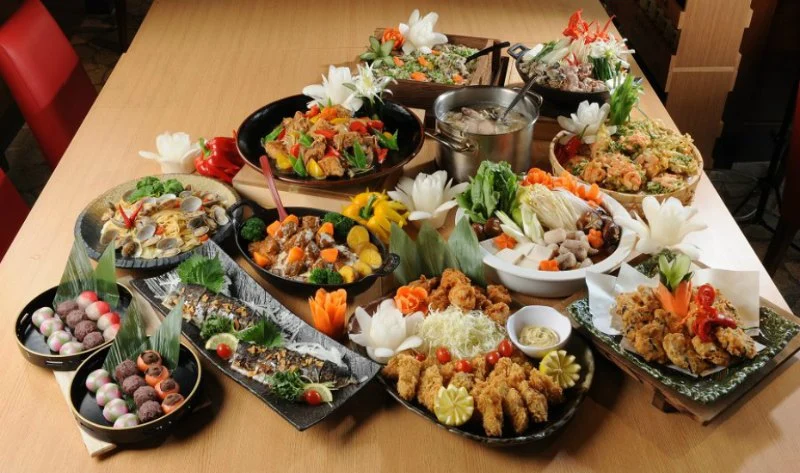
Japanese cuisine is rich in history and flavors, known for its balance of freshness, simplicity, and taste. When you visit a Japanese restaurant, it’s important to understand the diverse dishes available and how they represent different aspects of Japanese culture. Whether you’re a newcomer or a seasoned fan, knowing what to order can elevate your dining experience.
From sushi and sashimi to comforting bowls of ramen, Japanese food offers something for everyone. In this guide, we will explore the top dishes to order from a Japanese restaurant, along with tips for enjoying your meal like a pro!
2. Must-Have Dishes to Order from a Japanese Restaurant
When it comes to choosing what to order from a Japanese restaurant, there are some iconic dishes you simply can’t miss. Here are the top selections to consider:
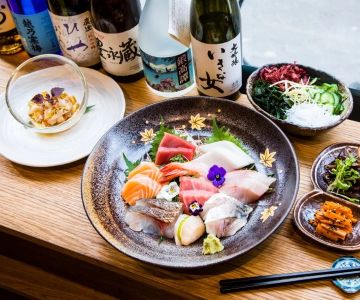
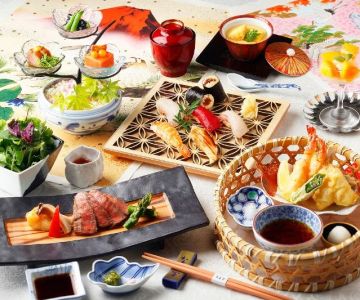
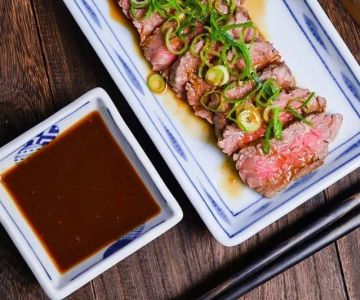
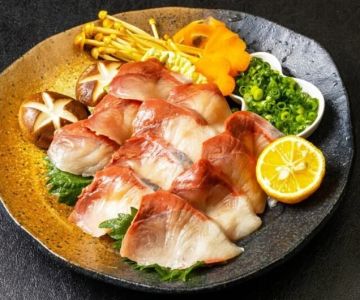
- Sushi and Sashimi: No visit to a Japanese restaurant is complete without sushi or sashimi. Sushi consists of vinegared rice paired with fish, vegetables, or other ingredients, while sashimi features thinly sliced raw fish. Opt for a mixed platter to try different varieties like tuna, salmon, and eel.
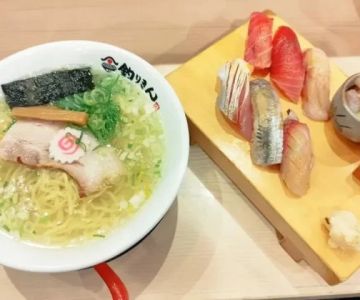
- Ramen: If you're in the mood for a warm, hearty meal, ramen is a fantastic choice. This flavorful noodle soup comes in various styles, including miso, soy sauce, and tonkotsu. Add toppings like soft-boiled eggs, bamboo shoots, and pork for an authentic experience.
- Tempura: Lightly battered and deep-fried, tempura is a crowd-pleaser. You’ll typically find shrimp and vegetables like sweet potatoes, zucchini, and mushrooms. It’s crispy, delicious, and pairs perfectly with dipping sauce.
- Yakitori: These skewers of grilled chicken, often served with tare sauce, are a must-try. Yakitori is ideal for those looking for something simple yet flavorful, offering a smoky grilled taste that complements your meal.
- Katsudon: A hearty choice, katsudon features a breaded and fried pork cutlet served over rice and topped with a savory sauce. It’s a filling and satisfying option that offers a delightful combination of textures.
3. Tips for Choosing the Right Meal
While it’s tempting to stick to familiar favorites, exploring new dishes can be exciting! Here are a few tips to help you choose the right meal:
- Know Your Preferences: Do you prefer raw fish or cooked dishes? If you're new to sushi, start with rolls like California rolls or avocado rolls, which are less intimidating for beginners.
- Consider the Season: Seasonal ingredients play a big role in Japanese cuisine. For example, in the summer, you may find refreshing cold noodles, while winter brings comforting hot soups and stews.
- Don’t Forget the Appetizers: Japanese appetizers, like edamame (steamed soybeans), gyoza (dumplings), or miso soup, are excellent to start with before diving into your main course.
4. Traditional Japanese Meal Experience
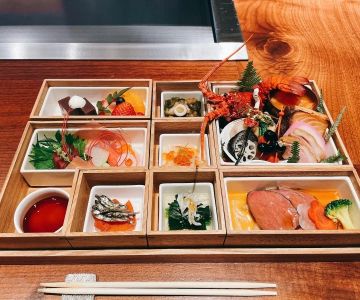
Japanese meals are often enjoyed with a sense of ceremony and mindfulness. The traditional meal structure includes a main dish (such as sushi or ramen), accompanied by rice, miso soup, pickles, and often a small appetizer. The idea is to balance the flavors, textures, and temperature of each dish.
Don’t forget to enjoy your meal at a leisurely pace and embrace the Japanese custom of savoring each bite. This mindful eating experience is just as important as the food itself!
5. Popular Drinks and Sides to Pair
Pairing your meal with the right drinks and sides can elevate the experience. Here are some popular choices:
- Green Tea: A classic drink choice to complement Japanese meals, green tea offers a clean and refreshing taste that enhances the flavors of your food.
- Sake: For a more traditional experience, try sake, a rice wine that comes in a variety of flavors, from dry to sweet. It pairs perfectly with sushi and sashimi.
- Umeshu: If you’re looking for something sweet, umeshu, a Japanese plum wine, is a great option. It’s often served as an aperitif or dessert drink.
- Ginger Salad: A refreshing side dish made from thinly sliced vegetables, served with a light ginger dressing. It’s the perfect palate cleanser between courses.
- Rice: Whether you go for plain steamed rice or seasoned rice like chirashi, rice is the cornerstone of Japanese meals and is typically served alongside most dishes.
In conclusion, Japanese cuisine offers a variety of mouthwatering dishes that cater to every taste. From the freshness of sushi to the comfort of ramen, you can always find something delicious to try. Next time you visit a Japanese restaurant, consider trying something new, and embrace the full range of flavors that Japanese food has to offer!
For more tips, recommendations, and delicious meal ideas, visit Japanese Restaurant to find the best dining experiences and products tailored for your culinary adventures.
 Little Tokyo3.0 (227 reviews)
 Dawa Sushi4.0 (236 reviews)
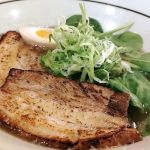 Menya Sandaime4.0 (239 reviews)
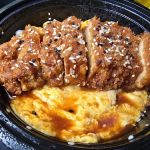 Ukiyo cape cod4.0 (29 reviews)
 PA'S PAPA JAPANESE RESTAURANT4.0 (24 reviews)
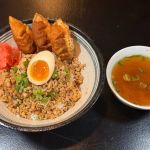 ITSHOW Tendon & Ramen4.0 (288 reviews)
 An Insider’s Review of Fujiya Japanese Restaurant
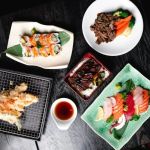 What Makes Chiba Japanese Restaurant Stand Out Among Japanese Restaurants
 Exploring the Menu at Fugakyu Japanese Restaurant: A Culinary Delight
 Top Dishes You Should Order at Kimono Japanese Restaurant | Best Japanese Food
 Top Dishes You Should Order at Yōki Japanese Restaurant & Bar Ramen & Sushi Place
 Where Is a Full Size Miyabi Japanese Restaurant Located?