
- 1 - Understanding Greetings in Japanese Restaurants
- 2 - Common Phrases to Say After Entering a Japanese Restaurant
- 3 - Cultural Etiquette Behind the Phrases
- 4 - Real Examples and Stories from Diners
- 5 - Where to Find More Japanese Dining Tips
1. Understanding Greetings in Japanese Restaurants
When you walk into a Japanese restaurant, you might hear the staff enthusiastically say “Irasshaimase!” This welcoming phrase means “Welcome” and is an important part of Japanese hospitality. But many visitors wonder, what to say after entering a Japanese restaurant to respond politely and show appreciation.
Knowing the proper greetings and responses can create a warm atmosphere and show respect for Japanese dining culture.
2. Common Phrases to Say After Entering a Japanese Restaurant
Although responding verbally to “Irasshaimase” is not required, guests often use simple greetings such as:
- “Konnichiwa” (こんにちは) – A friendly “Hello” appropriate during daytime visits.
- “Onegaishimasu” (お願いします) – Meaning “Please,” used when requesting a table or service.
- “Sumimasen” (すみません) – “Excuse me,” helpful for getting attention politely.
These phrases, paired with a smile or nod, show courtesy and enhance the interaction with restaurant staff.
3. Cultural Etiquette Behind the Phrases
In Japan, hospitality or omotenashi is deeply valued. The exchange of greetings is more than words — it is about respect, attentiveness, and creating a pleasant environment. Saying something simple like “Konnichiwa” after entering indicates you acknowledge the staff’s welcome and appreciate their service.
Additionally, bowing slightly or maintaining polite body language reinforces good manners and shows cultural awareness.
4. Real Examples and Stories from Diners
A traveler recounted their first visit to a sushi bar in Tokyo where they simply nodded and said “Konnichiwa” after hearing “Irasshaimase.” The staff responded warmly, making the diner feel immediately welcomed and comfortable. This small exchange helped break the language barrier and enhanced their overall dining experience.
Another story from a visitor to an izakaya describes how politely saying “Onegaishimasu” when asking for a seat led to attentive service throughout the meal. These personal experiences illustrate how simple phrases matter.
5. Where to Find More Japanese Dining Tips
For those interested in mastering not only what to say after entering a Japanese restaurant but also other dining customs, resources like Japanese Restaurant offer comprehensive guides, phrasebooks, and etiquette tips. Using these tools can prepare you to enjoy authentic Japanese meals with confidence and respect.
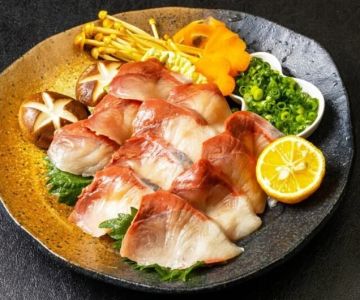
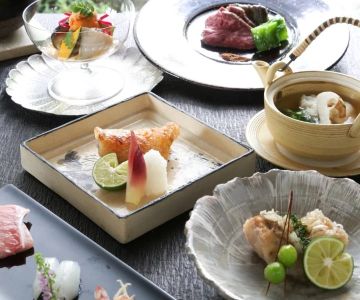
 Oyama Japanese And Thai4.0 (270 reviews)
 Wasabi Bistro4.0 (708 reviews)
 Cafe Yoto4.0 (86 reviews)
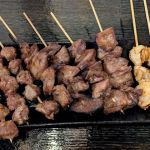 Ichiza 2 Hanare Japanese Resaurant - All Private Dining Room -4.0 (132 reviews)
 Sumo Hibachi4.0 (80 reviews)
 Epoch Asian Fusion4.0 (143 reviews)
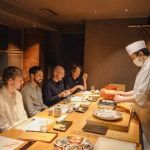 Why Locals Recommend Japanese Sushi Restaurants: Discover the Secrets Behind the Popularity
 A Foodie’s Experience at Bozu Japanese Restaurant
 How to Say "Run a Restaurant" in Japanese: A Complete Guide for Restaurant Owners
 Exploring the Menu at Taki Japanese Restaurant Dunwoody: A Culinary Journey
 Exploring the Menu at Japanese Restaurant in Atlanta
 Why Locals Recommend Tachibana Japanese Restaurant: A Taste of Authenticity