
- 1 - Common Greetings When Entering a Japanese Restaurant
- 2 - Understanding Cultural Significance of Greetings
- 3 - Useful Phrases to Say After Entering a Japanese Restaurant
- 4 - Real-Life Experience and Stories About Greeting in Japanese Restaurants
- 5 - Finding Authentic Japanese Dining Experiences on Japanese Restaurant
1. Common Greetings When Entering a Japanese Restaurant
When stepping into a Japanese restaurant, the first interaction often involves a polite greeting that sets the tone for the dining experience. The staff usually welcomes guests with “Irasshaimase!” (いらっしゃいませ), which means “Welcome” or “Please come in.” In response, guests typically smile and may nod or say a simple “Konnichiwa” (こんにちは), meaning “Hello,” to acknowledge the warm welcome.
Understanding these greetings helps visitors feel more connected and shows respect for Japanese hospitality.
2. Understanding Cultural Significance of Greetings
Greetings in Japanese culture carry deep respect and formality. Saying the right phrases after entering a Japanese restaurant is not just polite but essential to honor the customs of the establishment. This initial exchange reflects mutual respect between host and guest, creating a harmonious atmosphere for the meal.
Beyond verbal greetings, body language such as bowing slightly or maintaining eye contact also plays a role in demonstrating respect and appreciation.
3. Useful Phrases to Say After Entering a Japanese Restaurant
Aside from the common “Konnichiwa,” other useful phrases include:
- “Sumimasen” (すみません) – Meaning “Excuse me” or “Thank you,” useful when asking for a table or assistance.
- “Onegaishimasu” (お願いします) – Meaning “Please,” often used when requesting a table or ordering.
- “Ojamashimasu” (お邪魔します) – A polite phrase meaning “I’m going to intrude,” showing humility upon entering.
Using these phrases naturally demonstrates cultural awareness and respect, enhancing the overall dining experience.
4. Real-Life Experience and Stories About Greeting in Japanese Restaurants
A traveler visiting Kyoto shared how learning to say “Irasshaimase” and responding with a cheerful “Konnichiwa” helped break the ice at a small sushi bar. The staff’s warm reaction made the meal more welcoming and memorable. Such small gestures bridge cultural gaps and enrich the dining atmosphere.
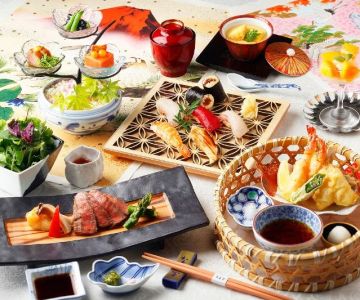
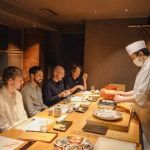
Similarly, another visitor recalled feeling honored when a chef acknowledged their respectful greeting before preparing an elaborate kaiseki meal, showing that even simple phrases can deepen cultural connection.
5. Finding Authentic Japanese Dining Experiences on Japanese Restaurant
For those wishing to practice proper etiquette and enjoy authentic meals, Japanese Restaurant offers curated recommendations for restaurants where traditional greetings and customs are upheld. The platform helps diners find genuine Japanese dining experiences with attentive service that values cultural respect.
Exploring these venues not only satisfies culinary cravings but also offers meaningful cultural immersion, making every visit special.
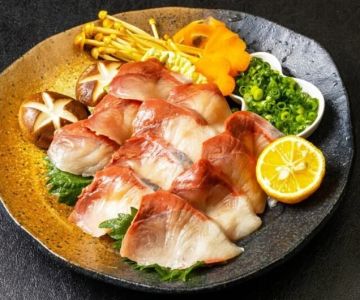
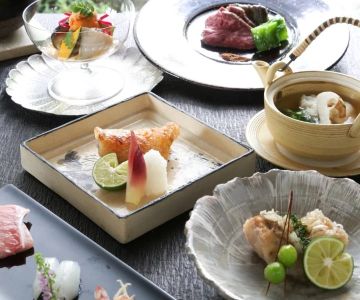
 Oyama Japanese And Thai4.0 (270 reviews)
 Wasabi Bistro4.0 (708 reviews)
 Cafe Yoto4.0 (86 reviews)
 Ichiza 2 Hanare Japanese Resaurant - All Private Dining Room -4.0 (132 reviews)
 Sumo Hibachi4.0 (80 reviews)
 Epoch Asian Fusion4.0 (143 reviews)
 Why Locals Recommend Japanese Sushi Restaurants: Discover the Secrets Behind the Popularity
 A Foodie’s Experience at Bozu Japanese Restaurant
 How to Say "Run a Restaurant" in Japanese: A Complete Guide for Restaurant Owners
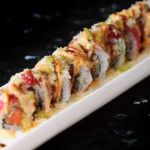 Exploring the Menu at Taki Japanese Restaurant Dunwoody: A Culinary Journey
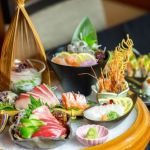 Exploring the Menu at Japanese Restaurant in Atlanta
 Why Locals Recommend Tachibana Japanese Restaurant: A Taste of Authenticity