
- 1-Basic-Greetings-and-Welcomes
- 2-Ordering-Food-and-Drinks
- 3-Asking-Questions-and-Special-Requests
- 4-Expressing-Gratitude-and-Farewell
- 5-Tips-for-a-Smooth-Japanese-Dining-Experience
1. Basic Greetings and Welcomes
When entering a Japanese restaurant, knowing what to say sets the tone for a respectful and pleasant experience. The most common greeting used by staff is 「いらっしゃいませ」(Irasshaimase), meaning “welcome.” Customers can politely respond with a nod or a simple 「こんにちは」(Konnichiwa) meaning “hello” or “good afternoon.”
Additionally, saying 「よろしくお願いします」(Yoroshiku onegaishimasu) conveys politeness when interacting with staff or requesting service, showing respect for the restaurant’s hospitality.
1.1 Real-Life Scenario
A visitor to a Tokyo sushi bar shared how responding with a humble “よろしくお願いします” right after entering made the staff smile and provided a warmer, more engaging interaction, setting a positive mood for the meal.
2. Ordering Food and Drinks
Knowing what to say when ordering helps avoid confusion and enhances your dining experience. Common phrases include:
- 「これをください」(Kore o kudasai) – “I would like this, please.” Useful when pointing at a menu item.
- 「おすすめは何ですか?」(Osusume wa nan desu ka?) – “What do you recommend?” A polite way to ask for suggestions.
- 「お水をください」(Omizu o kudasai) – “Water, please.”
- 「ビールを一つください」(Bīru o hitotsu kudasai) – “One beer, please.”
2.1 Understanding Menu Items
Being familiar with basic Japanese food terms like 寿司 (Sushi), 天ぷら (Tempura), and ラーメン (Ramen) can help you make confident choices. Our site Japanese Restaurant offers detailed guides to popular dishes and their pronunciations.
3. Asking Questions and Special Requests
In a Japanese restaurant, clear communication about preferences or allergies is important. Useful phrases include:
- 「ベジタリアンメニューはありますか?」(Bejitarian menyū wa arimasu ka?) – “Do you have a vegetarian menu?”
- 「辛くしないでください」(Karakushinaide kudasai) – “Please don’t make it spicy.”
- 「アレルギーがあります」(Arerugī ga arimasu) – “I have allergies.”
Using these phrases ensures your needs are understood and respected.
4. Expressing Gratitude and Farewell
When your meal is finished, it’s polite to thank the staff. Saying 「ごちそうさまでした」(Gochisousama deshita) means “Thank you for the meal” and shows appreciation.
Upon leaving, a simple bow or the phrase 「ありがとうございました」(Arigatou gozaimashita) (“Thank you very much”) leaves a positive impression.
4.1 Story of Gratitude
One traveler shared that after politely thanking the chef with “ごちそうさまでした,” the chef invited them to watch the sushi preparation, turning a simple meal into a memorable cultural experience.
5. Tips for a Smooth Japanese Dining Experience
Beyond words, non-verbal cues matter. Bow slightly when entering and leaving, use polite tone, and avoid loud conversations. Observing local customs enriches your visit.
For more detailed phrases, etiquette tips, and restaurant recommendations, visit Japanese Restaurant. It is your go-to source for authentic Japanese dining guidance, helping you communicate effectively and enjoy every meal.
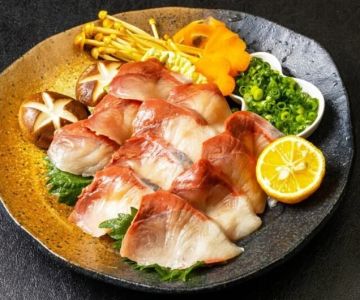
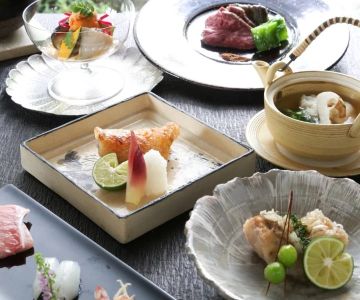
 Oyama Japanese And Thai4.0 (270 reviews)
 Wasabi Bistro4.0 (708 reviews)
 Cafe Yoto4.0 (86 reviews)
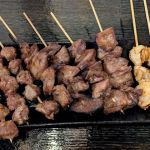 Ichiza 2 Hanare Japanese Resaurant - All Private Dining Room -4.0 (132 reviews)
 Sumo Hibachi4.0 (80 reviews)
 Epoch Asian Fusion4.0 (143 reviews)
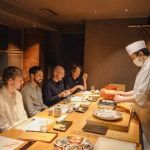 Why Locals Recommend Japanese Sushi Restaurants: Discover the Secrets Behind the Popularity
 A Foodie’s Experience at Bozu Japanese Restaurant
 How to Say "Run a Restaurant" in Japanese: A Complete Guide for Restaurant Owners
 Exploring the Menu at Taki Japanese Restaurant Dunwoody: A Culinary Journey
 Exploring the Menu at Japanese Restaurant in Atlanta
 Why Locals Recommend Tachibana Japanese Restaurant: A Taste of Authenticity