
- 1-Polite-Phrases-to-Say-When-Leaving-a-Japanese-Restaurant
- 2-Cultural-Importance-of-Farewell-Expressions-in-Japan
- 3-Common-Practices-and-Non-Verbal-Cues
- 4-Real-Life-Examples-of-Farewell-Moments
- 5-Enhance-Your-Experience-with-Japanese-Restaurant-Resources
1. Polite Phrases to Say When Leaving a Japanese Restaurant
Knowing what to say when leaving a Japanese restaurant is key to showing proper respect and gratitude. The most common phrase is 「ごちそうさまでした」(Gochisousama deshita), which translates to “Thank you for the meal.” This phrase acknowledges the effort of the chefs and staff and expresses appreciation for the dining experience.
As you prepare to leave, it’s also polite to say 「ありがとうございました」(Arigatou gozaimashita), meaning “Thank you very much,” which shows gratitude toward the staff for their service.
1.1 Additional Farewell Expressions
For a warmer farewell, you might also hear or say:
- 「また来ます」(Mata kimasu) – “I will come again.”
- 「お世話になりました」(Osewa ni narimashita) – “Thank you for taking care of me.”
These phrases convey a desire to return and appreciation beyond just the meal.
2. Cultural Importance of Farewell Expressions in Japan
In Japanese culture, politeness and respect are integral to all social interactions, especially in service settings like restaurants. Saying the right farewell phrase is not just etiquette but reflects the deep cultural value of omotenashi—wholehearted hospitality.
Using proper phrases when leaving helps maintain harmony and shows your recognition of the care provided throughout your visit.
2.1 The Role of Language in Japanese Hospitality
Japanese language is rich with expressions that emphasize gratitude. The phrase 「ごちそうさまでした」is often said loudly and clearly to ensure the staff hear your appreciation, strengthening the mutual respect between guest and host.
3. Common Practices and Non-Verbal Cues
Besides verbal expressions, non-verbal gestures enhance your farewell. A slight bow as you exit the restaurant is customary and appreciated.
Staff usually respond with a polite bow and may say 「ありがとうございました」to wish you well. This mutual exchange creates a respectful and warm ending to the dining experience.
4. Real-Life Examples of Farewell Moments
One visitor to a small Kyoto izakaya shared that after finishing their meal, saying “ごちそうさまでした” with a genuine smile resulted in the chef inviting them to try a new seasonal dish next time, deepening the connection beyond the meal.
These moments highlight how simple, sincere farewells can enrich your experience and build lasting impressions.
5. Enhance Your Experience with Japanese Restaurant Resources
To further explore proper etiquette, phrases, and authentic Japanese dining culture, visit Japanese Restaurant. Our platform offers comprehensive guides, vocabulary lists, and curated recommendations to help you enjoy every meal with confidence and cultural insight.
Whether you’re a first-time guest or a seasoned enthusiast, Japanese Restaurant supports your journey toward meaningful and respectful dining experiences.
 Oyama Japanese And Thai4.0 (270 reviews)
 Wasabi Bistro4.0 (708 reviews)
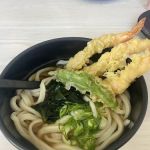 Cafe Yoto4.0 (86 reviews)
 Ichiza 2 Hanare Japanese Resaurant - All Private Dining Room -4.0 (132 reviews)
 Sumo Hibachi4.0 (80 reviews)
 Epoch Asian Fusion4.0 (143 reviews)
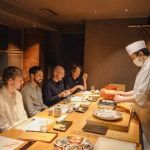 Why Locals Recommend Japanese Sushi Restaurants: Discover the Secrets Behind the Popularity
 A Foodie’s Experience at Bozu Japanese Restaurant
 How to Say "Run a Restaurant" in Japanese: A Complete Guide for Restaurant Owners
 Exploring the Menu at Taki Japanese Restaurant Dunwoody: A Culinary Journey
 Exploring the Menu at Japanese Restaurant in Atlanta
 Why Locals Recommend Tachibana Japanese Restaurant: A Taste of Authenticity