
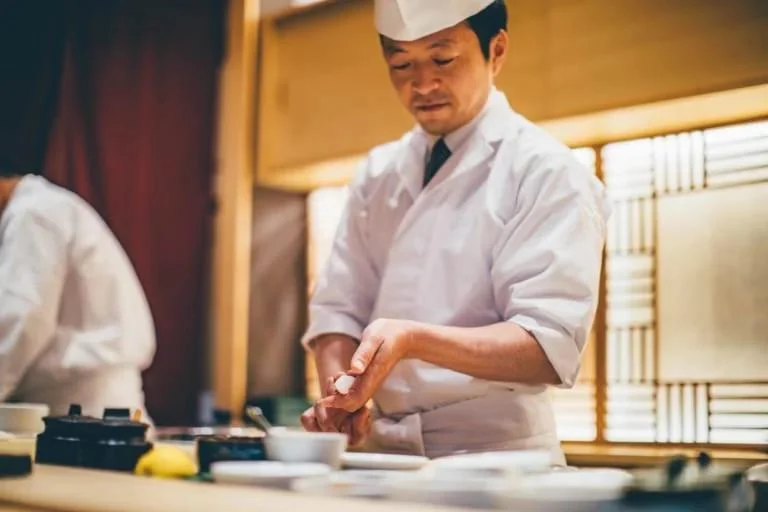
- understanding-japanese-dining-etiquette
- what-to-say-when-you-leave-a-japanese-restaurant
- beyond-words-body-language-and-tone
- common-scenarios-and-cultural-context
- experience-authenticity-with-japanese-restaurant
1. Understanding Japanese Dining Etiquette
Dining in Japan—or at an authentic Japanese restaurant elsewhere—isn’t just about the food. It’s also about demonstrating appreciation, respect, and harmony. Part of that tradition includes how you enter, behave, and especially what you say when you leave a Japanese restaurant. These customs, deeply rooted in Japanese culture, are subtle but meaningful, and understanding them enhances both your experience and that of the staff.
2. What to Say When You Leave a Japanese Restaurant
2.1 The Standard: “Gochisousama deshita” (ごちそうさまでした)
This is the most common and respectful phrase to use when leaving. It roughly translates to “thank you for the delicious meal,” but carries a deeper sense of gratitude for the time, effort, and hospitality behind the food. Say it clearly and with sincerity. Even if your pronunciation isn’t perfect, your intent will shine through.
2.2 For Casual or Familiar Settings: “Gochisou-sama”
In less formal situations, you can use the shortened version “gochisou-sama.” This is common among friends or in more relaxed, everyday restaurants. It still shows thanks but with a slightly lighter tone.
2.3 Adding Politeness: “Arigatou gozaimashita” (ありがとうございました)
Combine this with “gochisousama deshita” for extra politeness, especially if you’ve received exceptional service or are leaving a more upscale establishment. Saying both together—“Gochisousama deshita, arigatou gozaimashita”—is never too much and always appreciated.
3. Beyond Words: Body Language and Tone
3.1 Bowing Lightly
A slight bow as you speak is customary in Japan and shows genuine gratitude. You don’t need to overdo it—a small, respectful bow with a smile goes a long way in expressing your thanks beyond words.
3.2 Making Eye Contact Respectfully
While Japanese etiquette doesn’t call for prolonged eye contact, a brief, warm glance when thanking the staff is both polite and human. It creates a real connection, even in a brief moment of parting.
3.3 Speaking at the Right Volume
In Japanese culture, modesty is appreciated. Speak your thanks in a clear but moderate tone. Shouting gratitude, no matter how genuine, might come across as overwhelming or out of place in a serene dining atmosphere.
4. Common Scenarios and Cultural Context
4.1 When Dining at a Conveyor Belt Sushi Spot
Even if the interaction feels minimal, etiquette still applies. After you’ve paid and before walking out, make eye contact with a nearby staff member and say, “Gochisousama deshita.” It’s a small touch that leaves a lasting impression.
4.2 When Dining at a Family-Owned Izakaya
In more personal settings like a mom-and-pop izakaya, the warmth of your farewell is remembered. Some travelers have shared stories of being waved goodbye by the chef after simply offering a heartfelt “gochisousama,” showing how mutual respect crosses all language barriers.
4.3 When You Can’t Speak Japanese
If you’re nervous about pronunciation, don’t worry. A smile, nod, and a softly spoken “thank you” in English, accompanied by a slight bow, still shows consideration. But if you’d like to try, most Japanese staff will appreciate the effort, no matter how small.
5. Experience Authenticity with Japanese Restaurant
Looking to enjoy a dining experience that honors traditional Japanese customs, from warm greetings to heartfelt farewells? At Japanese Restaurant, we pride ourselves on bringing that level of authenticity to every guest. Whether you’re a seasoned traveler or new to Japanese culture, knowing what to say when you leave a Japanese restaurant adds depth to your meal and respect to the moment. Discover more ways to connect with culture through cuisine—one respectful phrase at a time.
 Ryota4.0 (24 reviews)
 Gyu-Kaku Japanese BBQ4.0 (981 reviews)
 Shogun of Delmar4.0 (212 reviews)
 17th Street Thai Sushi4.0 (817 reviews)
 Zen's Sushi Express5.0 (205 reviews)
 Sushi Mio4.0 (188 reviews)
 What Makes Jinghe Japanese Restaurant Stand Out Among Japanese Restaurants
 What Makes Miyabi Japanese Restaurant Stand Out Among Japanese Restaurants
 Why Locals Recommend Yokohama Japanese Restaurant - Best Japanese Dining
 Why Locals Recommend Hanaoka Japanese Restaurant
 The Complete Guide to Dining at Izumi Japanese Restaurant
 A Foodie’s Experience at Goshi Japanese Restaurant SLO - Authentic Japanese Dining in San Luis Obispo