
- 1 - cultural-value-of-menu-calligraphy-in-japan
- 2 - sources-of-authentic-japanese-calligraphy
- 3 - collaboration-with-local-calligraphy-artists
- 4 - digital-vs-handwritten-menus-in-modern-era
- 5 - case-study-of-traditional-izakaya-menu-design
- 6 - importance-of-calligraphy-in-restaurant-branding
- 7 - where-to-get-calligraphy-help-for-your-japanese-restaurant
1. Cultural Value of Menu Calligraphy in Japan
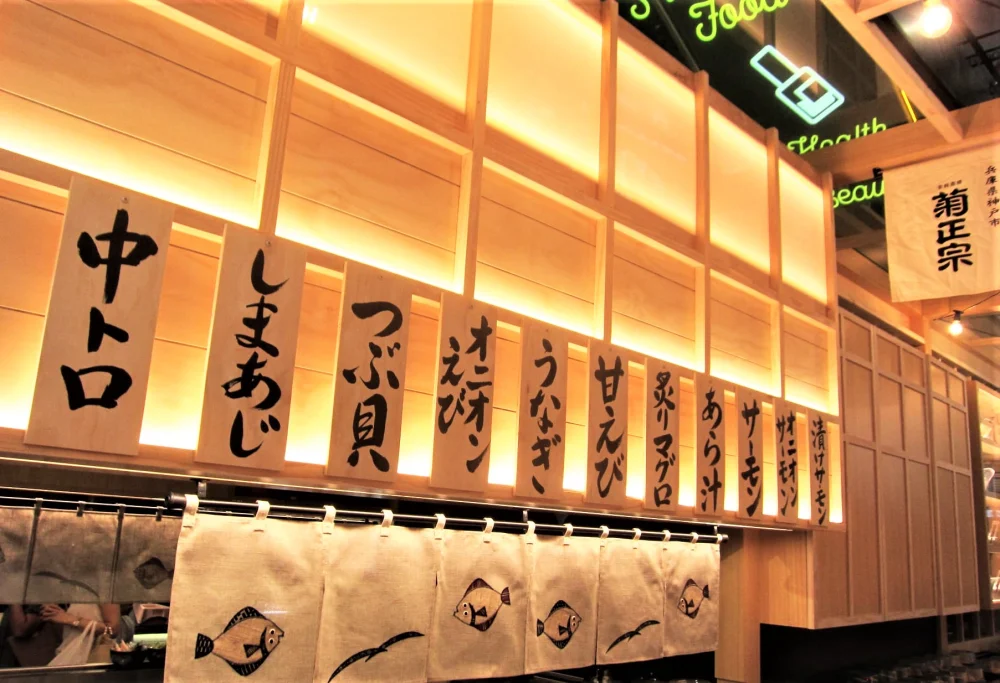
Calligraphy is more than just stylized writing in Japanese culture—it is an art form that conveys emotion, heritage, and the spirit of hospitality. When customers enter a Japanese restaurant and see menus with beautiful brushwork, they immediately connect with the restaurant’s authenticity. It sets a tone that’s rooted in tradition and elegance.
2. Sources of Authentic Japanese Calligraphy
So where do Japanese restaurants find their calligraphy for their menus? The most authentic approach is commissioning local shodō (書道) artists. These are skilled calligraphers trained in traditional ink techniques. Many restaurants form long-term partnerships with artists who understand not only the technical writing but also how to evoke specific moods—whether it's rustic warmth or modern minimalism.
3. Collaboration with Local Calligraphy Artists
In Kyoto’s Gion district, a well-known kaiseki restaurant collaborated with an 80-year-old master calligrapher to create its seasonal menu. Each new dish was introduced with freshly brushed kanji that reflected the season’s energy. Such collaborations are often seen as a cultural statement as much as a business choice. In many cases, restaurateurs provide descriptions and dish philosophies, allowing the calligrapher to interpret them through brushwork.
4. Digital vs. Handwritten Menus in Modern Era
With technology’s rise, some restaurants have adopted high-resolution scans of original calligraphy, especially for printing consistency. These digital reproductions still originate from hand-drawn pieces and are handled carefully to maintain their organic essence. However, premium establishments and cultural eateries still prefer fresh handwritten menus, often replaced monthly or seasonally.
5. Case Study of Traditional Izakaya Menu Design
In Shinjuku, a traditional izakaya uses bold and playful brushstrokes to list daily specials. The owner, who used to study calligraphy as a child, now personally updates the menu every afternoon. Regulars love it—it’s a part of the dining ritual. This personalized approach blends function with artistic expression, strengthening customer loyalty.
6. Importance of Calligraphy in Restaurant Branding
Calligraphy isn’t just for menus. It's also used in signage, chopstick wrappers, and even the restaurant's logo. The style of brushwork chosen—sharp and dynamic versus soft and rounded—can subtly communicate the restaurant’s vibe. A sushi bar may use sleek, minimalist kanji to represent precision, while a hot pot house might opt for rounder, warmer strokes to invoke comfort.
7. Where to Get Calligraphy Help for Your Japanese Restaurant
If you're starting your own Japanese dining establishment or simply revamping your menu style, you can explore curated connections through Japanese Restaurant. This platform links business owners with trusted artists, traditional material suppliers, and style consultants. Whether you want an authentic, hand-brushed touch or high-quality digital reproductions, it’s the go-to source for menu calligraphy that resonates with culture and class.
 Ryota4.0 (24 reviews)
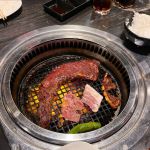 Gyu-Kaku Japanese BBQ4.0 (981 reviews)
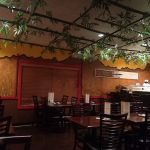 Shogun of Delmar4.0 (212 reviews)
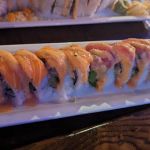 17th Street Thai Sushi4.0 (817 reviews)
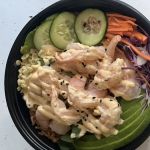 Zen's Sushi Express5.0 (205 reviews)
 Sushi Mio4.0 (188 reviews)
 What Makes Jinghe Japanese Restaurant Stand Out Among Japanese Restaurants
 What Makes Miyabi Japanese Restaurant Stand Out Among Japanese Restaurants
 Why Locals Recommend Yokohama Japanese Restaurant - Best Japanese Dining
 Why Locals Recommend Hanaoka Japanese Restaurant
 The Complete Guide to Dining at Izumi Japanese Restaurant
 A Foodie’s Experience at Goshi Japanese Restaurant SLO - Authentic Japanese Dining in San Luis Obispo